Maternal Mortality in Egypt
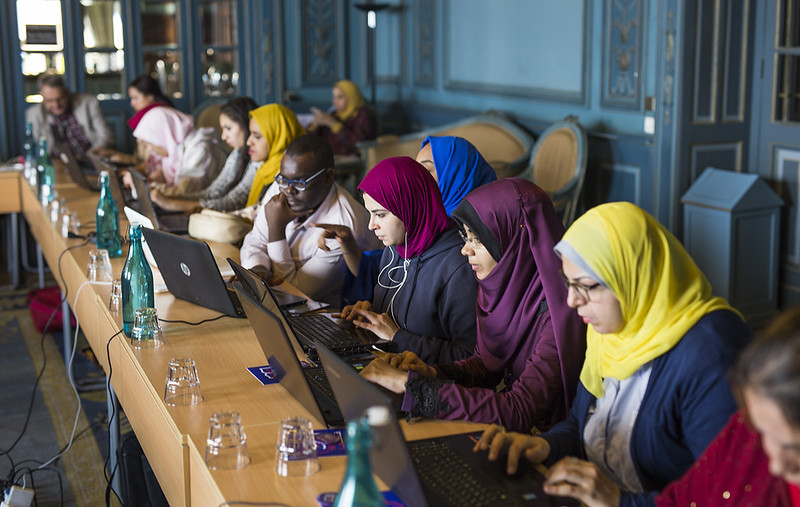 The maternal mortality rate in Egypt has significantly decreased since 1992. In 1992, the maternal mortality rate stood at 174 for every 100,000 births, dropping to 52 deaths per 100,000 births in 2013. Egypt has made fantastic progress in protecting the safety of pregnant women and children.
Factors and Facts
Upper Egypt and rural areas face more challenges regarding maternal mortality. These areas lack sanitation, services and hygiene. According to the United Nations Children’s Fund (UNICEF), rural areas are home to 8.4 million people without improved sanitation. In 2014, 15% of the population did not have adequate sanitation. A lack of sanitation and hygiene facilitates the spread of disease, significantly impacting maternal and children’s health.
UNICEF highlights a concerning statistic, i.e., just 82% of women in Egypt receive postnatal care within two days of childbirth. It leaves a notable gap, with 18% of women missing out on crucial postpartum support and medical attention. Failure to receive postnatal care can be hazardous, as most deaths occur within the first six weeks of delivery. Postnatal care can help detect diseases, promote a healthy lifestyle and identify medical complications.
Intervention
UNICEF has partnered with the Ministry of Health and Population. This partnership aims to provide women and babies with high-quality, easily accessible health, nutrition and hygiene education. The cooperation offers immunizations for mothers and newborns to eliminate tetanus and polio eradication. The Integrated Perinatal Health Care and Nutrition program strives to reduce “neonatal mortality by 20% and child malnutrition by 30% in the targeted disadvantaged areas.” This organization aims to create an environment for women and newborns to thrive by providing access to health care providers, promoting change and strengthening health care systems.
The Health Quality Improvement Program, a World Bank-funded initiative, assists Egypt’s 1,000 poorest communities in accessing medical facilities that satisfy the country’s health care standards. UNICEF supported the project and evaluated the health care facilities to ensure they met federal standards.
The United Nations Fund for Population Activities (UNFPA) is taking several steps to reduce maternal mortality in Egypt. They train nurses and midwives to become certified and skilled, focusing on rural Upper Egypt, where many women need adequate medical attention. Additionally, they have partnered with the Ministry of Health to support the Safe Motherhood Committee.
The Ministry of Health has also gained support from the World Health Organization (WHO). In 2015, they planned to build 1,402 health facilities in underprivileged and underserved communities, reaching 22 million people. WHO is working with the Ministry of Health to develop better protocols and guidelines, provide enhanced training to nurses and midwives and monitor the success of implementations.
Conclusion
Although there are still many struggles with maternal mortality in Egypt, there are many partnerships, programs and interventions that are helping reduce the maternal mortality rate.
– Abby Trussell
Photo: Flickr
