Malnutrition in the Maldives
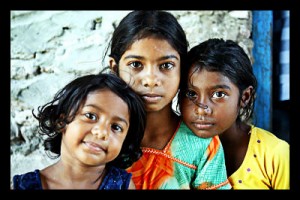
The Maldives, with its sun kissed beaches, warm seas and clear blue waters, is a popular tourist destination and an oasis for honeymooners. In 2013, more than a billion tourists visited Maldives. It is no wonder that tourism is one of the major industries of these islands. The dark side of the sunny islands is the malnutrition in the Maldives that its children endure. 19 percent of children in Maldives suffer from stunting, or low height-to-age ratio. According to UNICEF, nearly 17 percent of children are underweight.
Infection, inadequate breast feeding, lack of access or awareness of nutritious foods all contribute to malnutrition. Although exclusive breast feeding is recommended for children up to six months of age, UNICEF reports that less than 50 percent of children are exclusively breast fed for the full 6 months. Maldives has met five of the Millennium Development Goals set forth by the UNDP and is on track to achieve the others, yet it has a long way to go to make its child population healthy. However, its progress relative to other south Asian countries is impressive and there is full hope that malnutrition can be curbed as well.
Maldives has recently achieved middle-income status yet 51 percent of its population live in poverty. A World Bank report states that although scaling up micronutrient interventions would cost 720,000 dollars a year, this should not be a roadblock for the Maldives as income alone is not an indicator of malnutrition. Development of public health systems and counseling for mothers could go far in bridging this gap.
Micronutrient fortification has had demonstrated success in helping children get to a healthy nourishment level. The Micronutrient Initiative has a special guide for the fortification of staple like wheat flour and maize meal. Flour fortification with folic acid and other B vitamins as well as iron and calcium among other minerals are well established procedures. Rice can also be fortified in a similar manner. The people of Maldives use both rice and wheat flour as staples in their diet, and can incorporate the food fortification initiative into their public health programs.
Twenty-one civil society organizations won grants from the World Bank in 2009 for innovative solutions to the malnutrition problems. The winning projects give an idea of the scope of creativity in finding solutions to these difficult situations. Many of the projects focus on improving maternal health during pregnancy and breast feeding practices through community programs and combining breast feeding awareness and behavioral change communication during routine or emergency health care visits for other health concerns. All are ideas that could create real impact in Maldives.
Maldives has come so far in their progress. Being a small island developing country, they have managed to reduce abject poverty, achieve gender equality and increase their per capita GDP faster than many of their South Asian counterparts. With an added push to ensure the health of their youth and maternal population, the Maldives could very well be an example for the South Asia region.
– Mithila Rajagopal
Sources: Micronutrient Initiative, Ministry of Tourism, Maldives, UNDP, UNICEF, The World Bank
Photo: Rethink
