Malaria Vaccination Program in Rwanda Helps Families in Poverty
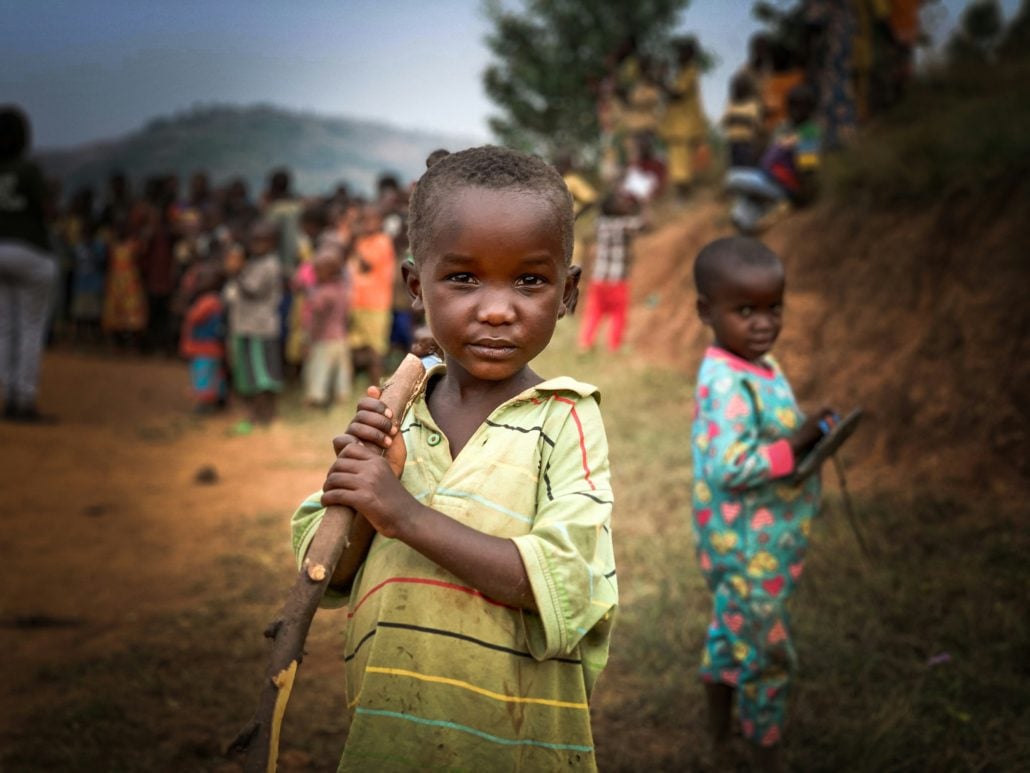 The consequences of malaria have recently continued to affect the lives of families across Rwanda. According to the World Food Programme (WFP) poverty affects 27.4% of Rwanda’s population. Being sick with this life-threatening disease can result in lost income due to absence from work, which is detrimental, as Rwandan’s household savings are essential to spend on treatment from clinics. The lack of the benefit of earning a household income has led to financial strain on Rwandan families and pushed them into extreme poverty. Nevertheless, the new malaria vaccination program in Rwanda has helped families out of poverty. Organizations such as GAVI and UNICEF fund this free rollout, which can secure domestic incomes and give families an opportunity for financial security.
Malaria’s Impact on Household Incomes
Malaria has imposed an economic burden on Rwanda. The Rwanda Biomedical Center (RBC) has reported an increase in malaria prevalence in Rwanda, with the disease affecting 76 people per 1,000 population—equivalent to 7.6%—in the 2024/2025 period, up from 4.5% recorded in 2023/2024. This has reduced the country’s economic growth, as families struggle with higher costs for essential goods and services and lack basic needs, which will inevitably push them into deeper poverty. As seen in high-deprivation regions, the price of food, transportation and school equipment amplifies the strain on low household incomes. This situation forces families to choose between medical care and necessities. This situation can decrease Rwanda’s economy and lead to a lack of internal wealth that affects trade, infrastructure and levels of employability.
Government-Led Immunization Strategy
Nevertheless, Rwanda’s Ministry of Health began its malaria vaccine program in 2024. RBC figures show that in 2025/2026, malaria cases stood at 928,616, down from 1,131,314 in 2024/2025, indicating a recent decline after the previous surge. Thus, the Ministry of Health integrated the vaccine into childhood immunization to ensure households can access jabs at local Rwandan clinics without transportation costs.
Experts say this will help reduce malaria cases in Rwanda, with improvements reported in mid-2026. In Rwanda, national childhood vaccination coverage is at 95%, yet gaps persist in reaching last-mile and hard-to-reach populations. Community Health Workers (CHWs) play a critical role in promoting and delivering vaccination services at the community level. This majority of vaccinated children reduces emergency appointments at clinics and financial strain on households.
GAVI and UNICEF’S Role
Since 2024, Gavi has played a significant role in the new malaria vaccination program in Rwanda. Gavi introduced the malaria vaccines RTS,S and R21/Matrix-M through procurement deals that enabled Rwanda to access affordable malaria vaccines while reducing hospitalizations. Gavi’s website stated that “[a]ccording to WHO estimates, the vaccine saves 1 life for every 200 children vaccinated.” Here, Gavi partnered with UNICEF to subsidize the entire cost, making the malaria vaccine free to every Rwandan child. Gavi financing the vaccine and UNICEF procuring it, with the Rwandan Ministry of Health delivering it through immunization, benefits every Rwandan citizen by protecting them from financial strain.
Vaccination Produces Widespread Economic Benefits
Recent results from the new malaria vaccination program in Rwanda show that it has directly reduced poverty across the country. The Rwandan government’s relationship with the organization Gavi has helped communities access life-changing protection that keeps children and adults safe while preventing families from extreme medical costs. This organization shows how international interventions can lift deprived countries out of poverty while strengthening national economic development.
– Alexandra Eaton
Alexandra is based in Birmingham, UK and focuses on Global Health for The Borgen Project.
Photo: Unsplash
