A Thirst for Change: Tackling Water Insecurity in Angola
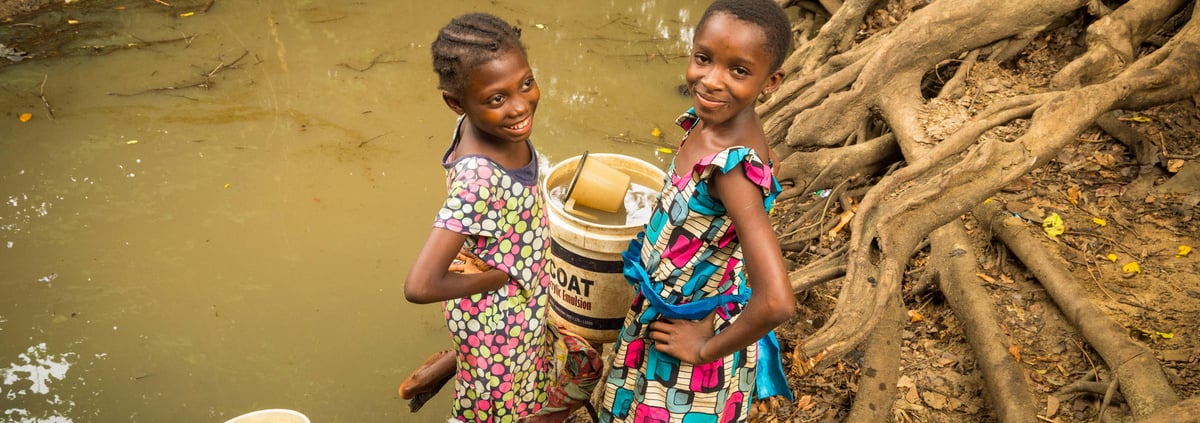 Despite its border with the Atlantic Ocean and numerous water sources, water insecurity in Angola has become a pressing problem in recent years. A rapidly increasing population, high levels of drought and agricultural demands have pushed water infrastructure to the brink. Furthermore, the lack of access to safe and clean drinking water has increased the spread of communicable diseases. However, community and government projects aim to tackle the growing rate of water insecurity in Angola.
Water Insecurity in Angola
According to the World Health Organization, 44% of the population does not have access to clean drinking water, with 55% having access to basic sanitation. High levels of water insecurity, particularly in rural areas, have triggered a cholera outbreak, resulting in 11,500 cases.
In Luanda, the capital, only 32% of people have piped water, leading many to buy water from tank trucks at excessively high prices. The economic burden of water insecurity is exacerbated by low wages and rising unemployment, leaving millions facing poverty and uncertainty regarding water access.
Water insecurity has threatened local businesses relying on water to stay afloat. N’Gola Beer, brewed in the Lubango municipality, depends on high-quality water from the rocks of Tundavala. Their main factory, a major source of income for Lubango, employs about 700 people. With scarce water supplies, many risk losing their jobs. Additionally, water access in homes becomes increasingly fragile. Currently, only 23% of homes in Lubango have a clean water supply.
The Government’s Approach
The International Bank of Reconstruction and Development and the French Agency of Development have provided funds for the Second Water Sector Institutional Development Project (WSIDP-2). This project aims to strengthen the effectiveness and capacity of Angola’s water agencies, resulting in improved water supplies at local and national levels. This government initiative works with Instituto Regulador do Setor Elétrico e de Águas (IRSEA), Angola’s water and electricity regulator, to develop regulations within the water and sanitation sector and improve IRSEA’s functionality to tackle water insecurity.
In 2025, the government announced the beginning of its flagship program called PROAGUA, financed by the Swiss company Mitrelli. The project aims to revolutionize the production of water systems and their distribution across Luanda and Icolo e Bengo, providing access to clean water to more than 9 million people.
PROAGUA aims to tackle water insecurity by reducing the pressure on current water supplies. This includes repairing four major wastewater treatment plants, six desalination units, and 9,000 water meters, including smart meters to manage the increasing volume.
Water Security at a Local Level
Water insecurity impacts the most isolated and vulnerable regions and their residents. In Sumbe, a city with a population of approximately 350,000, there was no wastewater infrastructure before 2015. In response, the African Development Bank developed the Institutional and Sustainability Support to Urban Water Supply and Sanitation Project. It provided latrines and bathrooms to people who did not previously have access and connected 59,008 homes to water, reaching more than 472,000 people. This initiative highlights how transformative water initiatives are producing long-term improvements in daily lives.
A New Approach to Water Supply
SUEZ, a French-based environmental services company, and EPAL, a Portuguese water company, are working on a project to rehabilitate five of Luanda’s water plants by installing new production facilities. The project is expected to improve the lives of more than 12 million people, offering a modern approach to combating water insecurity.
On the coast, desalination is the answer to water insecurity. Angola’s Ministry of Energy and Water has signed an agreement with private companies Cox and AMEA Power to develop a seawater desalination plant on the Mussulo Peninsula. This venture will provide drinking water to more than 800,000 people and further reduce the pressure on the region’s water supplies. The project is expected to begin in 2028 and will provide up to 300 construction jobs, along with roughly 25 permanent positions once operational.
Looking Ahead
Despite numerous challenges contributing to water insecurity, various initiatives have succeeded in building and improving the infrastructure that supplies clean water. By investing in water security, the focus is on people’s livelihoods, health, and dignity, ensuring everyone has access to the basic necessity of water. As initiatives continue to progress and develop, Angola marks a shift toward a more sustainable future.
– Maya Tailor
Maya is based in London, UK and focuses on Global Health and Politics for The Borgen Project.
Photo: Wikimedia Commons
