Life Expectancy in Low-Income Countries On the Rise
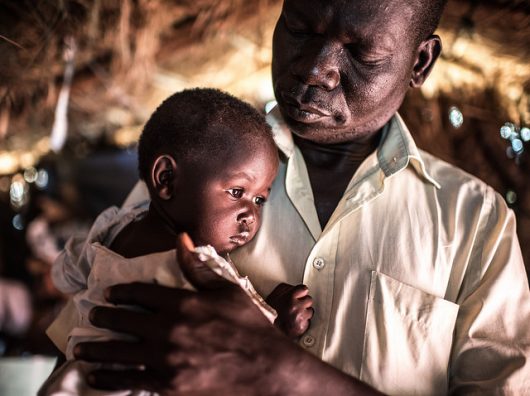
The average life expectancy in low-income countries is increasing dramatically. This change can be attributed to increased access to health aid programs.
The increase in life expectancy is a global trend; technology and medical research are beginning to offer solutions to once-fatal conditions. A study by the Imperial College of London anticipates that global life expectancy will experience an overall increase by 2030.
However, the rate of improvement is particularly dramatic within low-income countries that have historically low life expectancies. While wealthy countries such as the United States are experiencing a plateau in life expectancy, sub-Saharan Africa’s average life expectancy has increased by eight years since 2002. In 1960, life expectancy in the region hovered at 40. Now, individuals can expect to reach an average of 59 years of age.
This sharp incline in life expectancy of low-income countries is attributed to a greater access to aid programs and organizations than ever before. A Stanford study found that countries receiving the most health aid gained five or more years in average life expectancy. In 140 low-income countries, access to public and private health aid programs between 1974 and 2010 rapidly increased life expectancy across the board.
Health aid has a high impact in low-income regions because many of the leading causes of death are easily preventable or treatable. Vaccines have all but wiped out the most deadly diseases in children including tetanus, polio and measles. For every billion dollars spent on health aid, around 364,800 deaths of children under five are prevented. Because child mortality rates bring down the average age of death dramatically, countries such as Brazil have gained over 33 added years of life expectancy simply by offering these vaccines. Improved sanitation methods, medical services and access to food and water can also be credited for the success of aid in increasing life expectancy in low-income countries. Malnutrition, which can lead to an array of other medical conditions, was the leading risk factor for death worldwide in 1990; it has now fallen to number eight on the list.
With the shift away from infectious diseases and malnutrition as the primary killers in low-income countries, there has been an emergence of diseases familiar to wealthier countries such as cancer and heart disease. However, because these diseases happen at a much lower rate and tend to develop later in life, life expectancy in low-income countries continues to rise.
Since life expectancy is a reliable indicator of health levels in a particular region, the success of health aid in recent years is remarkable. Aid programs continue to improve life expectancy in low-income countries by allowing greater access to health resources.
– Kailey Dubinsky
Photo: Flickr
