Development Underway of Road Infrastructure in South Sudan
 Located in northeastern Africa, covering approximately 644,329 square kilometers of land, South Sudan is home to over 10 million people. Prior to gaining independence from the north in 2011, it was estimated that there were about 4,000 to 5,500 kilometers of main roads, of which only 50 kilometers were paved. There were also about 7,500 kilometers of secondary roads that were also unpaved and in various conditions of ruin. Infrastructure in South Sudan has been classified as underdeveloped and has been a serious constraint on the growth of the economy.
Suitable roads and railways are a vital part of building a stable state. Structurally sound infrastructure contributes to improving access to markets, food production and economic growth. It also allows for quick and easy responses to internal conflict and increases individuals’ access to hospitals and schools.
However, it will be no easy task for South Sudan to build an effective roadway system. The country suffers from a lack of trained professionals, difficulty obtaining materials and severe rainy seasons that restrict the use of bridges.
Because South Sudan is a developing country, in order to work towards becoming more sustainable, it requires the aid of partner countries and organizations, like the World Bank, the United States Agency for International Development and the United Nations. Investments made in the infrastructure of developing countries can only meet a small amount of the overall needs. To ensure the overall sustainability of infrastructure in South Sudan, partner countries and organizations must help to create local financial institutions and supply the country with the tools needed to govern the operation and advancement of roadways.
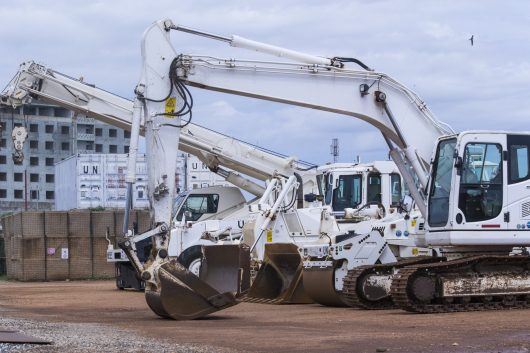
Some of the work that the United Nations Office for Project Services (UNOPS) has contributed to South Sudan is the construction and rehabilitation of more than 430 kilometers of roads and repairs on an additional 45 kilometers, including 10 bridges and four airstrips. On behalf of USAID, UNOPS is also currently working to renovate the damaged Juba Nile Bridge.
UNOPS is also working to restore and assemble roads in remote and conflict-prone areas like Warrap, Jonglei and Eastern Equatoria under programs that are currently being led by the United Nations Development Programme and funded by the South Sudan Recovery Fund. These programs intend to heighten security and address the causes of conflict occurring in the area.
The World Bank has also made contributions to South Sudan’s infrastructure by financing the construction of 424 kilometers of roads in order to help stimulate growth for communities in rural areas that are located along the roadways and to connect locals to markets, schools and healthcare facilities. The hopes of this project will be to better the lives of those inhabitants along the roadway by connecting them to the outside world.
Without better roads, infrastructure in South Sudan will not be able to tackle some of its biggest challenges. South Sudan’s government must prioritize the construction of roads and bridges in the country. The roadway system is necessary for buying and selling goods between states and with the bordering countries of Sudan, Ethiopia, Kenya and Uganda. Road improvements are the first step to growing the economy in South Sudan and providing more opportunities for its people.
– Zainab Adebayo
Photo: Flickr
