Building a Nation Out of Trash – How India Recycles Plastic
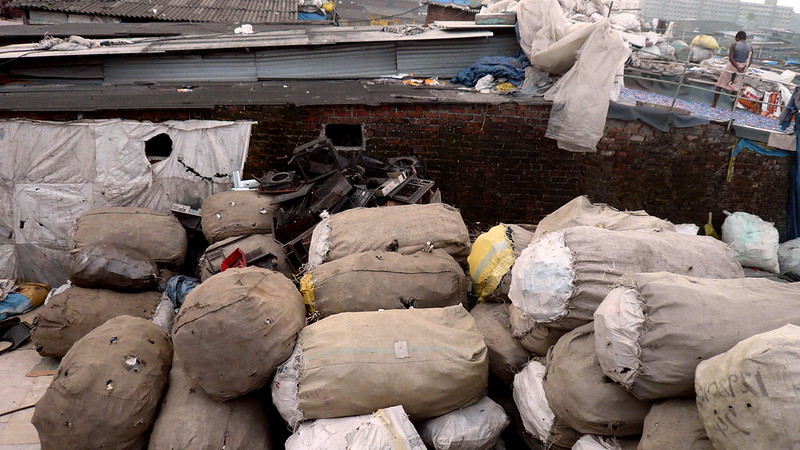 Recycling 8.3 billion metric tons of plastic seems like an impossible task, and the numbers just keep rising. For example, the annual plastic consumption of the average United States (U.S.) citizen has increased from 60 pounds a person to more than 218 pounds in just 45 years.
Fortunately, a new hero has arisen. India is rapidly emerging as the number one recycling nation, known not only for recycling 70% of the waste it generates, but also for the unique ways in which plastic waste is recycled.
Using Trash as a Currency
Poverty is a major problem in India, a country struggling to support more than 1.35 billion people. Most families are unable to afford basic necessities, so 62 million children — approximately one in every two children in India — suffer from malnutrition.
Fortunately, India recycles plastic and addresses its malnutrition problems by turning plastic waste into a new form of currency. India recycles plastic efficiently by establishing these “garbage cafes,” which exchange plastic waste for meals.
A typical garbage cafe can be built inside a converted bus shelter and offer a full meal for just two pounds of rubbish. In cities like Ambikapur, the trash is then sent to local waste collection centers, where the plastic trash is sorted into 63 different categories to be recycled. Garbage cafes offer endless benefits to the environment and the impoverished public.
The Benefits of Garbage Cafes
Garbage cafes help to spread awareness of plastic pollution by encouraging the public to collect plastic waste. Anyone can collect trash — factory workers, the homeless, mothers and their children — and earn a hot meal for their efforts.
The rising trend of garbage cafes has opened more job opportunities for women at the plastic collection centers. The collection centers in Ambikapur currently employ around 480 women. These employees, called “cleanliness sisters,” are able to earn a steady income of 8,000 to 10,000 rupees (about $100) a month and help their families.
Since 2016, garbage cafes have helped collection centers gather and recycle more than 50,000 tonnes of dry waste, including plastic, paper and cardboard. In addition, the garbage cafe trend is spreading to other states such as Telangana and Karnataka, helping to reduce the impact of plastic waste all over India. In 2019, 23 cafes opened in Delhi alone.
The Dangers of MLPs
Besides households, India has another big contributor to plastic waste. Its industries produce a highly durable type of plastic, known as multilayered plastics (MLPs), by combining materials such as aluminum to make packaging for products. Such plastics cannot be conveniently recycled and can quickly pile up in landfills. To solve this problem, WoWMaterials, an Indian company that produces sustainable building materials, has found a way to use MLPs to construct buildings.
An Efficient and Eco-Friendly Solution
Normally, India’s construction workers use plywood frame molds to shape concrete into solid walls. However, WoWMaterials is able to recycle MLPs into concrete construction molds. The company calculated that if all of India recycled plastic through these recycled plastic sheets, 25-30% of all nonrecycled plastics would be repurposed into reusable plastic frames.
In addition, RNS Infrastructure Limited General Manager G.S. Satheesh has remarked that these plastic molds are more durable than their wooden counterparts. Not only are the plastic versions lighter and easier to transport, but these MLP recycled molds can be reused more times — up to 21 repetitions compared to the 10-12 repetitions achieved with the use of standard plywood frames.
There are currently 34 km of recycled plastic roads in India. Their insulating properties make the roads more resilient to India’s frequent searing temperatures.
Plastic paver tiles: Nonrecyclable plastic waste can also be used to make cheap and eco-friendly paver tiles, which can be used in pedestrian walkways.
Looking Ahead
From using plastic trash to build houses to buying meals, India recycles plastic through innovative methods and sets an example for other nations by fighting both plastic pollution and poverty through the power of innovation.
– Isaac Lin
Isaac is based in Arcadia, CA, USA and focuses on Technology and Solutions for The Borgen Project.
Photo: Flickr
