HRW Reports Violence Against Women in Iraq
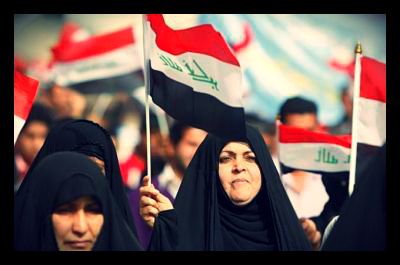
There are many women in Iraq who have faced and continue to face abuse within the Iraqi judiciary system, as outlined in a new report from the Human Rights Watch (HRW). According to the HRW, although both men and women suffer from the severe flaws of the criminal justice system, women suffer a double burden due to their second-class status in Iraqi society.
Iraq has had other allegations challenging its reputation for gender discrimination in the past. During the 1970s, Iraq guaranteed equal rights to women before the law by mandating compulsory education through primary school for both genders and changed labor, employment, and personal laws to grant women greater equality in the workplace, marriage, divorce and inheritance. These advancements were done, however, in order to create loyalty to the ruling government and Baath Party.
After losing the Gulf War, Saddam Hussein tried to boost his power and popularity by embracing Islamic and tribal traditions. This led to the rapid deterioration in social status for women in Iraq, which has only worsened since the Iraq War.
Although there has been some debate in the international community as to the legitimate use of interrogation tactics like water-boarding, the abuses these women sustained seem to have amounted to torture. Nearly all of the women in Iraq that were interviewed by the HRW were handcuffed, kicked, punched, beaten with cables, subjected to electric shocks, and subjected to falaqa, which is the practice of tying someone upside down and beating their feet.
Many also reported being raped and sexually assaulted by security officials who also threatened to do the same to their daughters. After succumbing to torture, these women were forced to sign and fingerprint confessions they could not read, or in some cases, that were just blank pieces of paper.
Although prohibited by both Iraqi and international law, corruption and a lack of government oversight ensures that these abuses continue with no repercussions for the abusers and no relief for the victims. By detaining women without arrest warrants, holding them for indefinite periods before allowing them to see a judge and demanding bribes for their release, the actions of the government are synonymous to kidnapping.
The current situation is also influenced by religious strife, as the vast majority of these women and girls are Sunni and being illegally detained by the Shia-led government solely because of their branch of Islam. The majority of the women interviewed were held for allegedly covering up for crimes committed by male family members, and charged under Iraq’s Anti-Terrorism Law. Many were convicted not by evidence, but based on coerced confessions and testimony from “secret informants.”
The response from Prime Minister Nuri Al-Maliki’s administration has been criminally insufficient. They have yet to begin investigating allegations of abuse, and many government officials have denied that there is a problem, with some even accusing the women of lying. To move past the legacy of corruption left by Saddam Hussein, a greater sense of transparency of and accountability for government procedures could greatly improve the situation.
– Kenneth W. Kliesner
Sources: Human Rights Watch, Al Jazeera
Photo: Aljazeera
