Homelessness in Ecuador
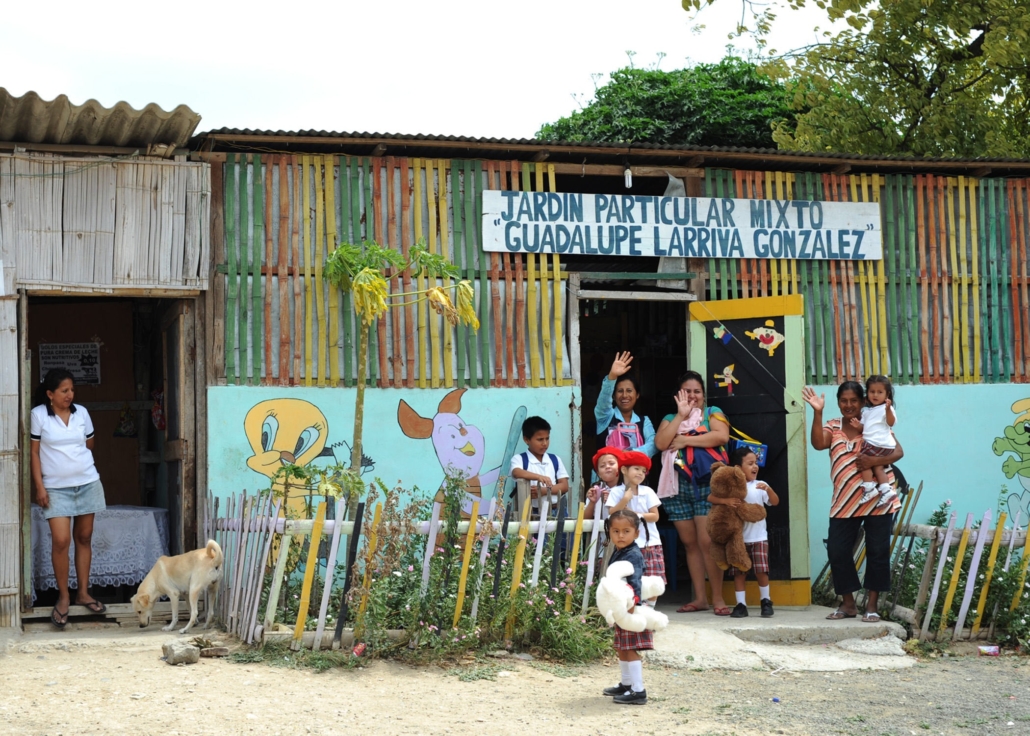
There are currently 17.7 million people calling Ecuador home — but a home with a poverty problem. The overall population living on less than $3.20 per day in Ecuador has been decreasing since 2010 but poverty remains an issue. The result is severe homelessness in Ecuador. It is a struggle many who live there have in common. The poverty rate of people who live on $5.50 a day has fluctuated between 24% and 23% since 2015 according to some figures. This has forced many to live on the streets with no place to call home. Natural disasters and unemployment are other risk factors one can point to — causing people to lose their homes.
Natural Disasters
The main natural disasters that play a role in the high rate of homelessness in Ecuador are floods, earthquakes, tsunamis and volcanic eruptions. Natural disasters impact almost 87,000 people in the country, every day. From 1980 to 2010, about 2.6 million people suffered from natural disasters. In 2008, more than 300,000 people required movement to temporary housing due to a flood. In 2016, a 7.8 magnitude earthquake killed 700 people and crushed many buildings — a big portion of them being homes. The earthquake destroyed around 35,000 homes. At the time, it was the worst earthquake in almost three decades. Many people had to leave their destroyed homes, changing their whole lives in just a moment.
Unemployment Rates
An increasing unemployment rate exacerbates the issue of homelessness in Ecuador. The unemployment rate in the country was declining — dropping from 5.21% in 2016 to 3.69% in 2018. Since then, it has increased from 2018 with the current rate being at 6.48%. Taking that percentage out of the current population results in 1.1 million people unemployed. Likewise, these people are prone to having to leave their homes or unable to afford housing.
A big part of this issue is the fact that the economy is not growing at a comfortable or suitable rate. This is due to companies having to leave the country and Ecuador’s inability to manage its resources. These living conditions make it incredibly difficult to afford available housing and provide for children and other life needs.
Solutions
While these problems seem very difficult to improve, some are undertaking projects to bring available housing to Ecuadorians who do not have it. The shelter support volunteer project in Quito, Ecuador is a one to 12-week program where participants travel to Quito and help local shelters feed and support local Ecuadorians. The program places 10 to 20 volunteers per month to help out the communities, five hours per day. Tasks for the volunteers include: serving meals, doing laundry, cleaning, maintenance and other living essentials. Volunteers also help educate the youth and work to provide housing for the children and many other Ecuadorians experiencing homelessness.
The Manna Project International is another organization that focuses heavily on bettering the lives of Ecuadorians. The project has two teams — one that works in Ecuador and the other in Nicaragua. Roles on the team involve an Ecuador Site Coordinator, a community development fellow, program directors and volunteer community advisors. In response to some of the shortcomings such as homelessness in Ecuador, the team puts together professional job development workshops. This way, they educate the people there and develop small businesses to help people find jobs. The end goal is to provide Ecuadorians the ability to gain an income suitable enough to afford housing.
– Dorian Ducre
Photo: Pxhere
