8 Facts About Healthcare in Nigeria
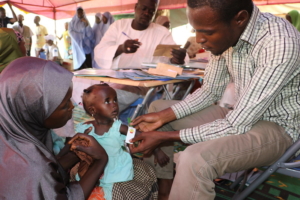
Healthcare in Nigeria leaves a lot for people to desire. The system is inefficient and inequitable, although there are some stories of success. Here are eight facts about healthcare in Nigeria.
8 Facts About Healthcare in Nigeria
- Prior to the European colonization of Nigeria, the healthcare system consisted entirely of herbal medicine treatments. This system relied on the knowledge of practitioners and a strict apprenticeship program. Understanding the background of Nigerian healthcare is an important prerequisite for assessing the modern system.
- After Nigeria gained independence in 1960, the country put a radical new healthcare system in place. Primarily a welfare-based system, it was progressive for its time. The government offered free or heavily subsidized treatments and medicines. However, the subsequent downturn in oil prices destroyed this system. Augmented by political corruption, the government could not afford to continue subsidizing healthcare.
- Currently, Nigeria’s healthcare system ranks among the lowest in the world. A study from 2018 in the Lancet of Global Health Care Access and Quality looked at 195 countries around the world; Nigeria ranked 142nd.
- One of the biggest problems facing Nigeria is the lack of qualified workers in the healthcare sector. The densities of nurses, midwives and doctors are ineffective for a country the size of Nigeria. There are only 1.95 qualified healthcare workers per 1,000 citizens in Nigeria.
- The healthcare statistics in Nigeria are abysmal. Maternal mortality in Nigeria is among the worst in the world with a whopping 19% of global maternal deaths occurring in the country. Additionally, the infant mortality rate is far too high at 19 deaths per 1,000 births. In addition, the mortality rate of children under 5 is 128 per 1,000. Moreover, life expectancy in Nigeria is an incredibly low 54.4.
- Healthcare expenditures accounted for 3.7% of Nigeria’s GDP in 2016. Of total healthcare expenditures, 71.7% is from out-of-pocket spending – expenses that do not receive coverage from insurance or government subsidies.
- One of the biggest problems plaguing healthcare in Nigeria is inequality. For example, most of the healthcare workforce works in urban areas, specifically in the southern parts of the country. As a result, rural healthcare lags behind with fewer healthcare workers. Fortunately, Nigeria has identified this problem and is working to mitigate it. A successful approach that Nigeria initiated was the Midwifery Service Scheme. This program, started in 2009, took unemployed, retired and recently graduated midwives and placed them in rural areas for a year of community service. Simply getting more qualified healthcare workers in rural areas is proving to be a huge success.
- Healthcare in Nigeria is not all bad. Recent infrastructure improvements are helping end polio and fight diseases, such as Ebola and COVID-19. For example, Nigeria has implemented a decentralized disease control network and better vaccine storage methods.
Today, Nigeria faces an uphill battle. The country needs to address healthcare inequality and a lack of a qualified healthcare workforce to continue developing on a global scale. The country has taken some measures to modernize its healthcare infrastructure and more are on the way.
– Evan Kuo
Photo: Flickr
