Improving Healthcare in Malawi
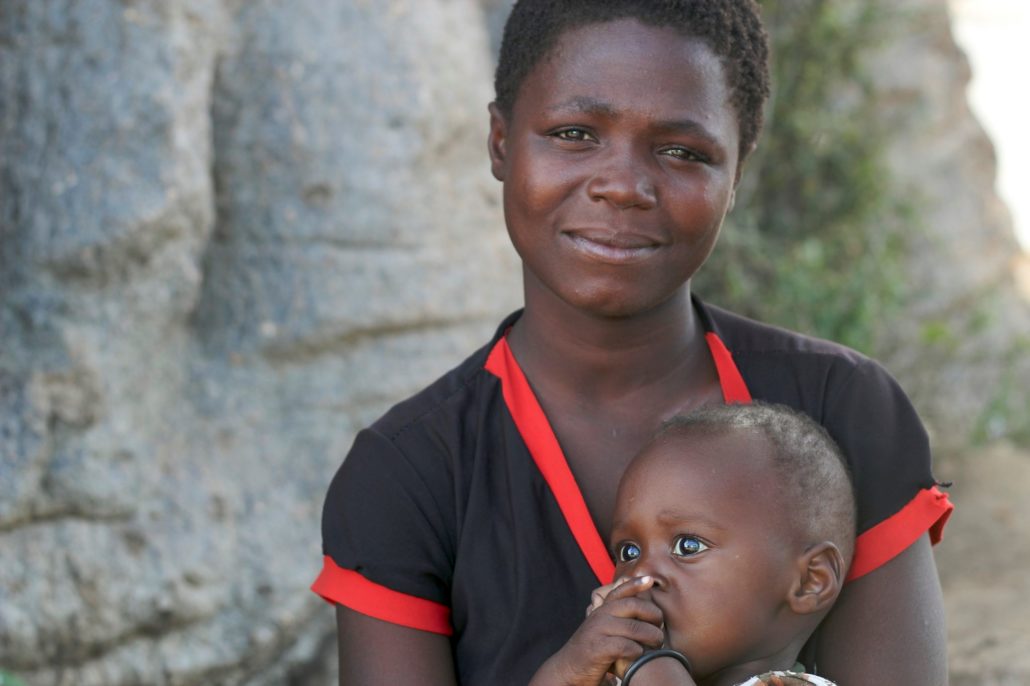
Malawi is a landlocked country in Southern Africa with a population of over 18 million people. It also has one of the worst healthcare systems in the world, ranking at 185 out of 190 countries and having a life expectancy of about 64 years old. While Malawi is gradually improving its system, lowering death rates and increasing its life expectancy, healthcare in Malawi still faces serious issues.
Healthcare Structure
Malawi’s healthcare system has three sectors:
- Public: The public sector comprises of three different parts that link together by a system of referrals. The three parts are primary, secondary and tertiary care. This sector includes the Ministry of Health (MOH) and government facilities. The government provides the largest amount of free health facilities with more than 8,000 facilities – 86% of the total amount.
- Private for-profit: The PFP sector includes private hospitals, clinics, laboratories and pharmacies. Malawi’s private health facilities only make up about 1% of the total free health facilities with 120 health facilities.
- Private not-for-profit: The PNFP sector consists of religious and non-governmental organizations (NGOs), religious institutions, statutory corporations and companies. The Christian Health Association of Malawi (CHAM) is the most notable religious organization, providing approximately 37% of Malawi health services and 73% of the healthcare services in rural areas.
Major Contributions to a Struggling Healthcare System
Several factors contribute to a struggling healthcare system, but there are two major healthcare issues in Malawi to be aware of:
- Poverty/Funding: Malawi is one of the poorest countries in the world which directly affects how much the country can spend on healthcare. The country’s GDP is $7.6 billion, and it spends only 9.6% of it on healthcare goods and services. This comes out to be approximately $32 towards health per capita, which is relatively low. In comparison, the U.S. spends about $10,000 per capita. Due to the scarce amount of money, the healthcare facilities in Malawi cannot receive suitable funding, causing a lack of proper maintenance, health-worker training, infrastructure, transportation, communication and efficient equipment which are necessary for successful healthcare.
- Distance: In 2019, approximately 82% of the population in Malawi lived in rural areas. This large rural population makes easy access to health facilities more complicated. In 2016, around 90% of the population in Malawi lived within 8 km of a health center or hospital, which means that over a million people still lacked easy access to healthcare services. Also, 56% of Malawian women noted that the distance to health facilities was one of the biggest complications when they needed health services.
Solutions
While healthcare in Malawi is slowly progressing, poverty is still an issue that makes good healthcare a challenge to attain. Programs to educate future and current healthcare workers, proper resources and suitable facilities all require adequate funding. Fortunately, there are organizations like CHAM that are working towards providing Malawi with better healthcare with health-workers and accessible facilities.
CHAM is the largest NGO and healthcare practitioner trainer in Malawi. It emerged with the hope of bringing affordable and quality healthcare to hard-to-reach and rural areas. CHAM is a network of church-owned health facilities, hospitals and training colleges. It has over 175 healthcare facilities and 12 training hospitals where it has educated 80% of Malawi’s healthcare workforce, provided care for 37% of the Malawi health services and 73% of the health services in rural communities. CHAM’s health facilities also administered projects like family planning, HIV prevention programs and empowerment programs. In the future, the organization hopes to find ways to bring in more income so that it can continue to affordably help Malawi citizens, as well as expand its colleges to accept more healthcare trainees.
Although Malawi is receiving help and steadily improving, more can and needs to occur to help fund and implement effective healthcare in the country.
– Sophie Dan
Photo: Flickr
