The Geoeconomic Confrontation of 2026: Risks and Responses
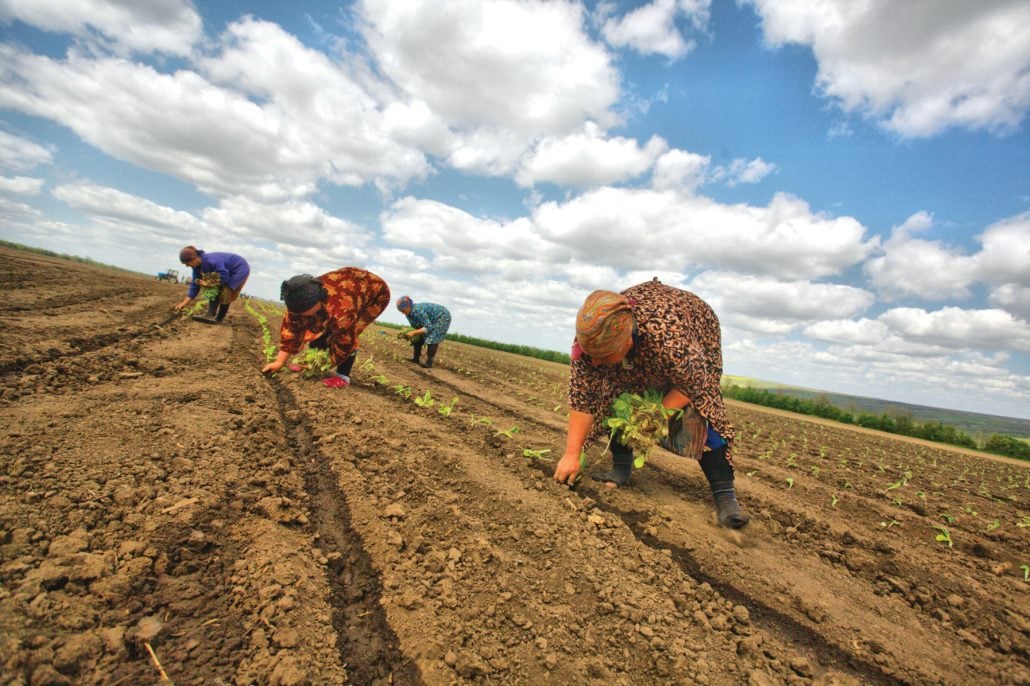
The geoeconomic confrontation of 2026 is a leading concern in the World Economic Forum’s Global Risks Report. In its survey of more than 1,300 experts, 18% selected geoeconomic confrontation as the risk most likely to trigger a material global crisis in 2026, placing it first among the risks assessed. This ranking reflects expert perceptions, rather than proof that one risk will cause the greatest harm.
Cooperation on Food Trade
The G20 Trade Ministerial met in Milwaukee on Sept. 30 and Oct. 1, 2026. According to the Office of the U.S. Trade Representative, ministers reached consensus on a statement condemning the use of food trade for economic or political coercion. The statement addresses threats to livelihoods and food security; it is a commitment, rather than evidence of improved food access already achieved.
The U.S. Chamber of Commerce welcomed the food-trade consensus and a separate joint statement on forced labor in supply chains. The latter did not have agreement from the whole G20: the chair identified the United States, Mexico and Argentina as its participants. These responses show areas of cooperation, while also illustrating the limits of consensus.
Protecting Humanitarian Access
According to the Office for the Coordination of Humanitarian Affairs, humanitarian access requires negotiation so that people can reach assistance and humanitarian organizations can reach them. Temporary relief corridors and other arrangements are possible tools, subject to agreement by the parties concerned. They do not automatically guarantee safe access or remove the effects of political confrontation.
ACAPS’ July 2026 assessment covered 66 crisis-affected countries between December 2025 and May 2026. It examined barriers faced by people seeking assistance, constraints on humanitarian organizations and physical, environmental and security obstacles. Access deteriorated in 26 countries and improved in only one, underlining how much remains to be done.
The Office for the Coordination of Humanitarian Affairs’ March 19, 2026, report gives a specific example of worsening conditions. In the West Bank, including East Jerusalem, displacement linked to settler attacks and access restrictions since the beginning of 2026 had reached about 95% of the total recorded during 2025. This is evidence of humanitarian pressure, rather than a measured result of a successful policy response.
Building Financial Resilience
Eligible countries can also draw on the International Monetary Fund’s Resilience and Sustainability Facility, introduced in 2022. It offers affordable, longer-term financing for reforms addressing risks such as climate change and pandemic preparedness. Access requires a qualifying concurrent IMF-supported program, sustainable debt and adequate repayment capacity. The facility supports longer-term resilience; it is not a general emergency fund guaranteeing stable food imports and exports.
Looking Ahead
The geoeconomic confrontation of 2026 presents significant risks, but international cooperation remains possible. Food-trade commitments, negotiated humanitarian access and longer-term resilience financing offer different ways to respond. Their value for vulnerable communities depends on implementation and continued cooperation, rather than announcements alone.
– Alexandra Eaton
Alexandra is based in Birmingham, England and focuses on Global Health for The Borgen Project.
Photo: Unsplash
