Food Systems in Uganda in the Face of El Niño
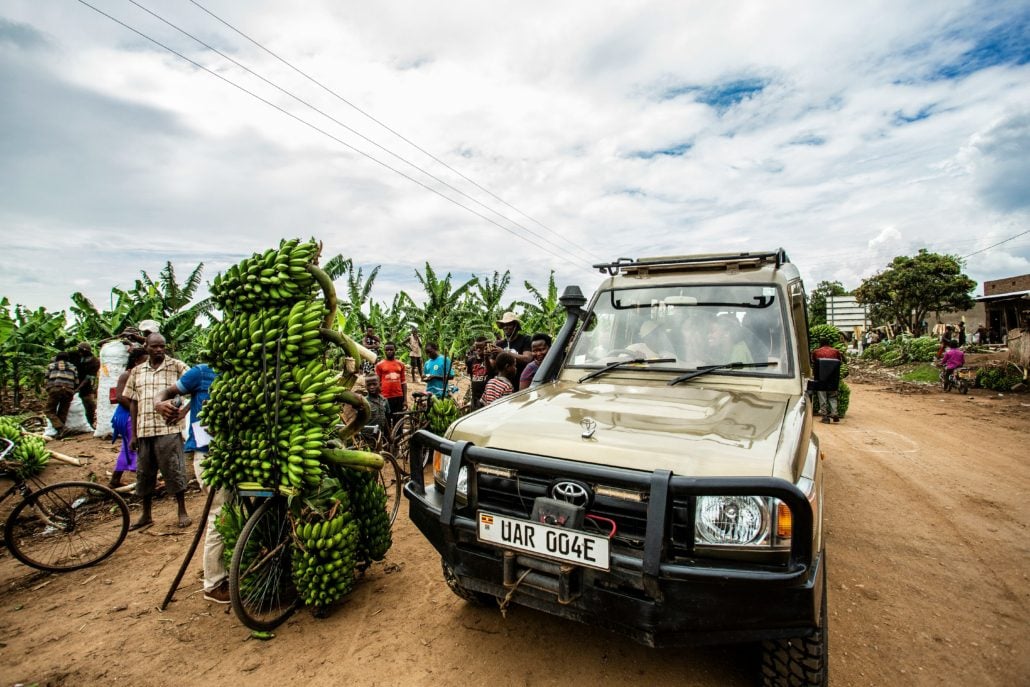 In the most vulnerable parts of the world, any risk to food systems can mean catastrophic effects on the population’s health. As El Niño approaches, threatening difficult harvests, drought, floods and even further scarcity in vulnerable countries, East and Southern Africa are predicted as some of the most at-risk areas in the coming months and year. With funding diminishing, food systems in Uganda are under stress, but the country is taking matters into its own hands.
Uganda sits firmly in the list of most vulnerable populations in the world with 20.3% of people living below the poverty line. Alongside this, the country is home to the largest number of refugees in Africa. While food is scarce, external aid is shrinking, and the hot shadow of El Niño looms, Uganda has been working on its own solutions. Utilizing this large population of refugees, and with advanced planning, the country strives to combat poverty and create sustainable communities amidst rising temperatures.
El Niño
El Niño is the warm phase of a natural climate pattern (El Niño-Southern Oscillation), the period of warming of the Pacific Ocean that affects weather around the globe. This isn’t a new occurrence, but it is one that affects vulnerable countries’ infrastructures, like food systems in Uganda, bringing drought in some locations and flooding in others. This year, however, the phenomenon may be much more dramatic than normal, with Ugandans feeling the effects until 2028.
Projections of food scarcity and impact on poverty amidst this occurrence highlights the most vulnerable countries. Uganda sits firmly in this list with its high poverty figures and number of refugees. Yet, external aid seems to be going in the wrong direction.
The Statistics and Funding
In affected areas, the World Bank predicts production of crops such as rice to fall by 20% to 50% in the coming year. Alongside this, the World Bank saw an increase in food price in low-income countries, as well as stating in their report that “global food and nutritional security is becoming more fragile.”
The situation may be worse than previous years, with predictions indicating that the 2026 El Niño will be the worst on record. The lack of funding to humanitarian aid accompanies this (the main global contributors, the U.K., the U.S. and Germany, have announced budget cuts), which leaves countries like Uganda in need of serious internal effort. The good news is that the country is rising to the challenge.
External Aid
With the recurring threats upon food systems in Uganda, the situation is one that has been planned for. Humanitarian groups such as the UN and World Food Programme (WFP) have seen these issues coming and have been fighting them for years. Although, while the WFP initially provided direct aid in the form of hot meals for the numerous refugees and vulnerable in Uganda, this system has been gradually diminishing since 2025 due to lack of funding. Now, humanitarian groups like the WFP have focused on how to aid food systems in Uganda, supporting a structure that can sustain and utilize the growing refugee population.
Internal Aid
In Nakivale, a refugee settlement in Uganda’s southwest, the ‘self-reliance model’ has been put in place with the aid, and to the benefit of its many refugees. Under Uganda’s own model, which has received praise for its progressive treatment of refugees, locals and refugees both learn skills that will aid in creating a sustainable food and social system going forward. The community learns about fishing, farming and financial strategies which, alongside planned financial aid from the WFP, helps to secure a more stable system that will fluctuate less, both in terms of rations and food prices, or external conditions arise, like the coming El Niño.
Uganda’s refugee model is paying off for the country. The model allows refugees the right to work, freedom of movement, property lease, trade, access education, health care and other social service. Under this structure, the self-reliance model is allowed to thrive and build a sustainable future, capable of combating threats to food systems and communities like the coming El Niño internally.
One refugee told the WFP how the program “taught us how to prepare for the day that cash assistance might stop…how we could stand on our own.” Another refugee, Sanyu Sylva, comments on the list of skills she has learnt and the conditions that will allow her to pass this knowledge onto others, creating a sustainable community.
Looking Ahead
While many countries address refugees as a strain on their infrastructure, Uganda is managing to provide aid and community for these groups and its own people through planning and collaboration. Such internal rallying in the face of funding cuts, alongside aid from devoted humanitarian groups may be the key to enduring hardships like the coming El Niño.
– Calvin Politi
Calvin is based in Edinburgh, Scotland and focuses on Good News and Politics for The Borgen Project.
Photo: Unsplash
