International Charities Working To Fight Poverty in Ethiopia
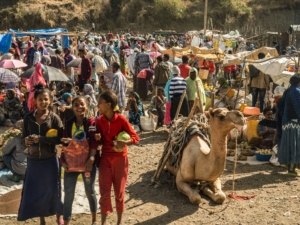 Nearly 70% of people live in multidimensional poverty in Ethiopia, with rural areas the worst affected. Multidimensional poverty encompasses various aspects of life, from food and job insecurity to poor health and living conditions. As such, Ethiopians suffer a crisis of circular poverty, with generations experiencing the same lack of access to clean water, education and life-saving health care. Due to the complexity of poverty in Ethiopia, international support and humanitarian aid play a vital role. Here are three of the international organizations working to make lasting change.
Mercy Corps
Mercy Corps has supported communities across Ethiopia since 2004. Its mission is to provide immediate, long-lasting support that will impact this generation and all those to come. Within 20 years, the organization has helped more than four million people in Ethiopia. Mercy Corps focuses its support on vulnerable communities, particularly marginalized Ethiopians such as women and those living in conflict-affected areas.
For many, support comes in the form of business skills acquisition, help in fostering market relationships and professional mentorship. Training and support like this are given to aid the building of stable economic opportunities throughout the country, allowing individuals to secure reliable employment and income streams.
Immediate support also plays a key role in Mercy Corps’ support, particularly in ensuring access to food for many Ethiopians. While some of its programs deliver agricultural support and climate-resistant seeds to rural areas, others provide immediate relief to Ethiopia’s impoverished people. This includes food deliveries and cash aid to allow families to purchase household necessities and ensure they have access to food.
Tikkun Olam Ventures (TOV)
TOV started with a two-year pilot program in Ethiopia, building upon decades of existing humanitarian work done by The American Jewish Joint Distribution Committee (JDC) across the country. The initiative aims to provide innovative Israeli technology to those still reliant on traditional farming methods and break the cycle of poverty in communities. Since then, tomatoes, onions and hot peppers have been grown using drip irrigation systems, fertilizers and hybrid seeds using this vital technology.
It’s estimated that two-thirds of those living in extreme poverty worldwide make their livelihoods from farming. This global reality is particularly staggering in Ethiopia, where agriculture is the largest economic sector, contributing 43% to the country’s gross domestic product (GDP). Despite its importance, many farmers, especially smallholder and family farmers, remain trapped in a cycle of poverty, relying heavily on their crops for both income and sustenance.
To ensure that farmers can continue improving crop yields and ensure food and income security, TOV has used funding from an Ethiopian bank to purchase technology, seeds and technical support. When loans are repaid, the money returns to the loan fund, allowing more farmers to receive the benefits of Israeli technology.
For-Ethiopia
For-Ethiopia aims to reduce poverty in Ethiopia through education and health services. It believes that real change begins with small developmental projects focused on the community and its residents. The organization’s support includes providing medical equipment and training to health centers and health posts to ensure that everyone has access to clean, sterile environments and experienced health care workers.
A key priority of its aid is responding directly to community needs. For example, when health care workers requested fridges, For-Ethiopia ensured they received them. For-Ethiopia believes ending poverty in Ethiopia begins with access to education and health care, including clean, sanitary water.
Just as it supports health care facilities with essential equipment, it also supplies schools with resources such as books, bathrooms with handwashing stations and more. It credits these efforts with a more than 20% increase in girls’ school enrollment.
For-Ethiopia is currently running the Women and Children First campaign, which focuses on reducing maternal and infant mortality rates in the country.
Conclusion
Organizations like Mercy Corps, TOV, and For-Ethiopia are making a significant impact in Ethiopia by addressing poverty through agriculture, education, and health care. Their work demonstrates that lasting change is achievable with global support and community-driven solutions.
– Macy Hall
Macy is based in Dover, Kent, UK and focuses on Good News for The Borgen Project.
Photo: Unsplash
