7 Facts About Ethiopia’s Economy
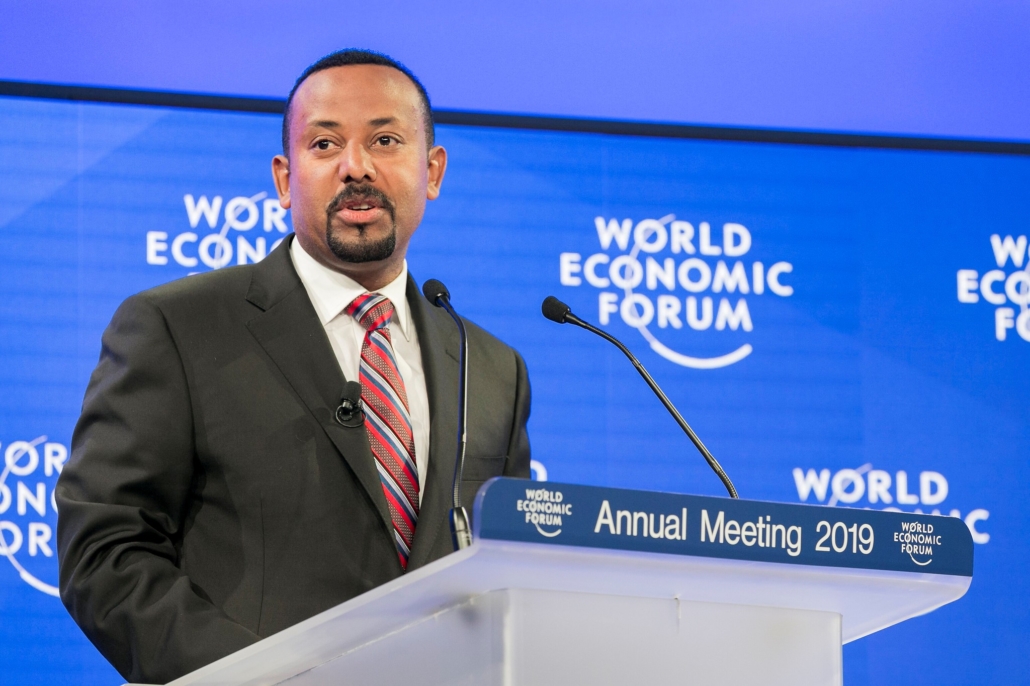
Ethiopia is the second-most populous country in Africa with an estimated population of 112 million people. Ethiopia also has the fastest growing economy on the continent and is located on the east coast. In 2015, the World Bank reported 23.5 percent of Ethiopia’s population to be living under the national poverty line, however. As of 2019, its GDP is expected to grow between seven and eight percent in the next year in large part due to Prime Minister Dr. Abiy Ahmed Ali, who proposed large scale economic reforms in June 2018, two months after assuming office. The following facts about Ethiopia’s Economy give a closer look at the country’s development in recent decades.
7 Facts About Ethiopia’s Economy
- Prior to 2018, the state primarily controlled the Ethiopian economy, which was in line with the beliefs of its dominant political coalition, the Ethiopian People’s Revolutionary Democratic Front (EPRDF). In 2018, however, Prime Minister Dr. Ali, chairman of the EPRDF, announced that it would allow private investors into some of its monopolies, beginning with select airlines, electricity and telecommunications. Ali and the EPRDF found this shift necessary to spur economic growth according to the government.
- Agriculture, textiles, minerals and metal processing are the largest industries in Ethiopia. According to the CIA World Fact Book, the country can trace 40.5 percent of its GDP to the export of coffee, vegetables and sugarcane. Recently, foreign investment in flower, wine and textile industries have become major contributors to the Ethiopian economy as well.
- Despite this, Prime Minister Ali has declared his intention to move Ethiopia’s agriculture-based economy into manufacturing, which he announced in a national plan titled Vision 2025. The goal of the plan is to create more than two million jobs and grow the manufacturing industry to 25 percent of Ethiopia’s economy. The idea is for Ethiopia to position itself as a viable contender for low wage jobs to foreign companies in need of labor.
- Infrastructural development is also an integral player in the expansion of the Ethiopian economy. Vision 2025 also details the timeline for the creation of 10 new public industrial parks as well as six others to be completed by private developers, bringing at least 60,000 jobs to the area. The sites will receive supplementation in the form of free water, subsidized rent and electricity. To this end, the government has created the Industrial Parks Development Cooperation to oversee the project, and communicate with potential investors. This initiative has been rather controversial to date, however. Strikes erupted at Hawassa Industrial Park, which opened in 2016, due to low wages and unsafe working conditions.
- Another significant infrastructural development has been the light rail, the first transportation system of its kind in sub-Saharan Africa. Since its completion, the metro has allowed more than 60,000 people easier access to urban centers where they are more likely to find work or able to attend school for $.027 a ride.
- Ethiopia’s potential as an energy provider superpower can not only be seen by its light rail, which relies on hydropower, but also by its large stake in the Ethiopian Renaissance Dam, which once completed, will be largest in the continent. It has been under construction since 2011 but will be able to generate 6000MW of electricity, serving not only Ethiopia’s water and hydropower needs but those of 10 other countries as well.
- As a rising global economic powerhouse, Ethiopia also has a great interest in expanding its tourism industry. With multi-billion-dollar investments spread across industrial parks and transportation, Prime Minister Ali announced his intentions to no longer African citizens require visas to enter the country. The plan to expand the Bole International Airport so it can serve 22 million people, more than triple the number it accommodates today, accompanied this.
The economic reforms and rapid, large scale infrastructural development happening in Ethiopia today are a promising start to reducing its poverty levels worldwide. Internationally, others recognize Ethiopia’s efforts too; the World Bank pledged $1.2 billion of support in 2018. These seven facts about the Ethiopian economy highlight the government’s rightfully ambitious initiatives— sure to result in a more advanced country supported by the creation of hundreds and thousands of jobs it requires to continue to thrive.
– Jordan Powell
Photo: Flickr
