Environmentally Responsible Fishing Practices Reduce Poverty?
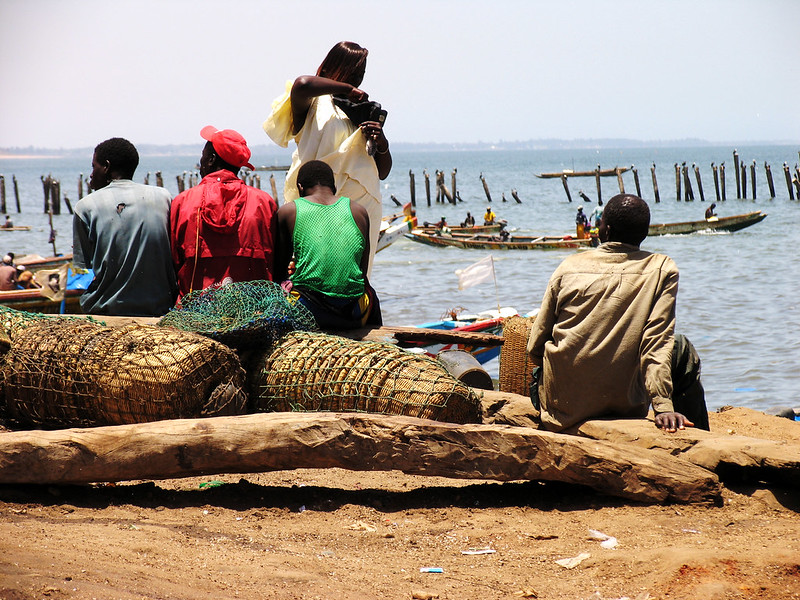
Around the world, the fishing community is particularly vulnerable. Just over 96 percent of fishers live in developing countries and many of them live in substandard conditions of poverty. However, environmentally responsible fishing has the potential to alleviate environmental concerns as well as the poverty of fishermen.
Part of the reason that fishermen face such tenuous financial circumstances is the unstable nature of the profession. The fisherman’s boat and equipment are the most valuable possessions but also their most vulnerable. The unpredictable nature of the sea means equipment may be damaged at any moment and halt the flow of income.
Furthermore, fishermen in Africa, Asia and Central America are at least five times more likely to be infected with HIV due to their mobility. These circumstances often lead to overcrowded and unsanitary living conditions and poor access to education and health services. Over and above these problems, the damaging environmental effects caused by this cycle of poverty has not even been explored.
It is understandable that many fishers are not focused on environmentally responsible fishing practices. People struggling to survive today are less likely to focus on long-term environmental effects. However, depletion of resources will ultimately push them further into poverty.
Therefore, it is imperative that fishermen consider how they can practice environmentally responsible fishing as it will help to alleviate the poverty that they face. Latin American nonprofit company MarViva aims to help fishermen with this objective. As the organization’s co-director said, “we are not dealing only with an environmental problem, but also with significant institutional, social, and economic challenges that require serious attention and integral long-term solutions.”
MarViva is working for these long-term solutions with a two-part initiative. First, they teach fishermen the advantages of responsible fishing practices that may appear as more expensive or labor-intensive in the short-term. For instance, investing in ice may seem like an unnecessary expense, but it ensures that fish stay fresh during transport and money is not lost due to a spoiled product.
They are also encouraged to use smaller hand lines instead of large gill nets. When gill nets are used, the caught fish are already dead and may be damaged. While gill nets seem to catch a larger amount of fish at once, they may sell for a lower price due to damage that may have occurred. Hand lines result in higher quality that will translate to a higher selling price.
The second part of the initiative focuses on the traceability of the product. If fishermen present the source and journey of their fish to the market, they can distinguish their product as one that was caught and handled responsibly. This means that it can sell for a higher price than fish of questionable or unknown origin.
Through its initiative, MarViva has increased the availability of high-quality products and the practice of responsible fishing. Raising awareness of how to protect the ocean’s precious natural resources is a highly important endeavor. Equally important is the fact that fishermen who depend on the ocean’s resources can protect those as well as alleviate the poverty that they face.
– Nathaniel Siegel
Photo: Flickr
