Ending Extreme Poverty by 2050
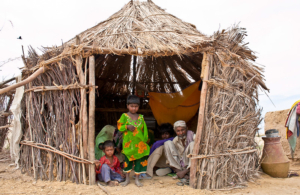 Ending extreme poverty globally is not a new goal. The United Nations set in motion the formal goal of Sustainable Development Goal 1 (SDG 1) to “end poverty in all its forms everywhere” by 2030. The World Bank has upheld this hope with the goal of reducing extreme poverty to 3% or less of the globe by 2030, which is no longer feasible.
Some experts contend that broadening the horizon to end extreme poverty by 2050 could provide a more feasible pathway forward to overcome structural inequalities, climate pressures and economic impediments. Similarly, 2050 provides countries additional time to enact systemic changes that include enhancing health care access to education, increasing infrastructure development and improving climate adaptation, all of which are important steps toward sustainable poverty reduction.
Global Poverty
According to the World Bank’s Poverty and Shared Prosperity 2022 report, almost 700 million people still live on less than $2.15 a day. This is even after a historic low since 1990, which has lifted more than one billion people out of extreme poverty. Climate instability is one of the biggest threats to people and livelihoods while also impacting economies, especially in low-income countries.
Weather disasters such as extreme weather, flooding and droughts primarily affect low-income countries. Environmental disruptions can easily push economic growth in countries where communities have shown economic growth back into extreme poverty. Income inequality is another complex challenge to global, regional and local progress.
As the wealthy in a region benefit from growth, the vulnerable become further entrenched in poverty. Public health systems and preventive care remain weak, even as income levels rise. Meanwhile, billions of people still lack access to clean water and sanitation.
Issues such as high energy prices, the war in Ukraine, global conflicts and rising inflation can stall poverty reduction and strain both public and private resources. This underscores the need for leaders to consider how national strategies can be supported and extended into long-term sustainable initiatives.
Organizations Driving the Fight Against Poverty
Many organizations are working to address these challenges. The United Nations (U.N.) continues to lead global efforts through its 17 SDGs. The World Bank provides funding, technical assistance and progress measurement. UNICEF works to expand access to education, health care and clean water for children in developing countries. Meanwhile, the World Food Programme (WFP) delivers food assistance to more than 150 million people each year, targeting hunger as one of the root causes of poverty.
Regional development banks, NGOs and private foundations also contribute funding, expertise and innovation to programs that support livelihoods and foster inclusive economic growth. Yet it is concrete collective action, from these actors and others, that has made it clear that ending extreme poverty is not only a moral necessity but also a global economic and political priority.
Final Remarks
Investments in renewable energy, climate-resilient development, infrastructure and universal education will all be integral to establishing systems that permanently move people out of poverty.
The benefits of achieving this goal would be global: stronger economies, larger markets, greater social stability from a better-educated citizenry and improved health for all.
– Sophia Scelza
Sophia is based in Lindenhurst, NY, USA and focuses on Good News and Technology for The Borgen Project.
Photo: Flickr
