Elderly Poverty in Senegal
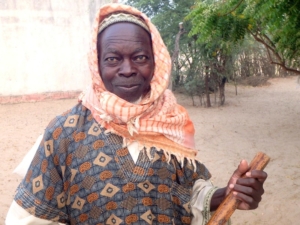 While Senegal has made tremendous improvements in its economic growth within the last decade, many still overlook the issue of elderly poverty. Senegal has experienced strong growth and made strides in reducing general poverty, but older citizens continue to face serious financial hardship. Elderly poverty in Senegal is a challenge the country has faced before, but now it is time to examine it through a different lens and explore what solutions exist.
The Numbers
According to a 2018 World Bank report, only 7% of elderly citizens in Senegal live in extreme poverty. While this statistic brings hope for the elderly community, household numbers create a stark reality.
According to the “Senegal: Poverty Reduction Strategy Paper,” roughly 56% of households headed by a person over 60 live in poverty. Although these households make up just 6% of the population, they represent 19% of all households living in poverty. This data highlights that when older people serve as the main providers, the risk of poverty increases significantly.
Life for Older People in Poverty
Elderly poverty in Senegal means relying almost entirely on younger family members for food, shelter and medical bills. When families cannot provide, older adults face hunger, lack of medicine and isolation.
Formal pension and social insurance coverage remains limited in Senegal, leaving many older people without a steady income, and rural elders face extra hurdles including long travel times to health facilities and transport barriers that reduce their access to care. These barriers prevent many older Senegalese from living independently.
Plan Sésame
To address some of the challenges faced by older citizens, the Senegalese government created Plan Sésame in 2006. This plan was set up as a health coverage program for people aged 60 and over. Plan Sésame aimed to provide free medical care in all the country’s public health facilities.
The vast majority of elderly people in Senegal do not receive a pension and rely heavily on family members for financial support. Health care costs often compete with other basic needs like food and shelter; this dependence places older people in a vulnerable position, without the resources to make choices about their health.
While data on exact numbers reached is limited, research suggests thousands of seniors benefit annually from the program, especially in urban areas. Rural elders, however, sometimes face challenges in using the program because of transportation barriers and shortages of medical staff. Expanding Plan Sésame’s reach and ensuring equitable access remain crucial steps.
Economic Growth
Senegal’s economy began to recover in 2021 after the downturn that COVID-19 caused. The country recorded a substantial reduction in poverty due to strong economic performance during the 2010s. Despite challenges such as rising food and energy prices that the war in Ukraine caused, Senegal’s economy remained resilient in 2022. The average GDP growth rate stood at about 5%, and the incidence of poverty fell from 43% to 37.8%. Yet, these improvements have not reached everyone equally. Elders who cannot work or access social safety nets are often left behind, missing out on the benefits of economic growth.
Looking Forward
Senegal has the potential to lift even more citizens out of poverty if it invests further in elderly care. Strengthening Plan Sésame, creating pension schemes for informal workers, and improving transportation to health facilities could give older adults better access to care and independence. Addressing elderly poverty in Senegal is not only a moral responsibility but also a crucial step toward building a more inclusive economy that supports citizens of all ages.
– Arielle Telfort
Arielle is based in Purchase, NY, USA and focuses on Global Health for The Borgen Project.
Photo: Flickr
