Addressing Elderly Poverty in Liberia
 Liberia is located on the Atlantic Coast and borders Sierra Leone, Guinea and the Ivory Coast. Its capital and largest city is Monrovia. Spanning approximately 111,000 square kilometers, Liberia is characterized by flat coastal plains, hills and inland mountains. Situated between 4°N and 8°N latitude, the country experiences a tropical, humid climate throughout the year.
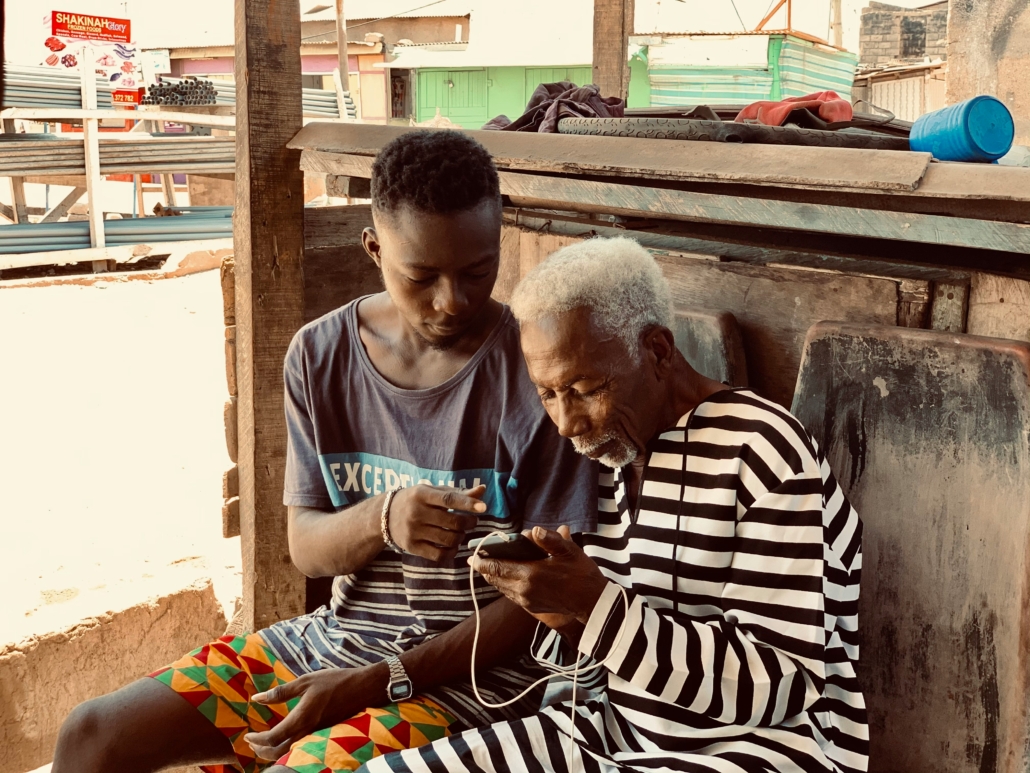
The elderly population in Liberia, defined as those aged 65 and above, comprises approximately 2.8% of the total population, or roughly 147,000 people. Of these, approximately 61% are “young-old” (65–74 years), 23% are “middle-old” (75–84 years), and 16% are “old-old” (85 years and older). More than half (55%) live in rural areas. Many elderly Liberians face significant hardships driven by poverty, limited social safety nets and minimal pension coverage. Most have not worked in the formal sector, leaving them without pension benefits. Many are survivors of prolonged civil conflict and economic hardship, relying heavily on family or community support for survival. Here is more information about elderly poverty in Liberia.
The Plight of Elderly Poverty in Liberia
In exploring the plight of the elderly in Liberia: challenges, social conditions and support initiatives, stories of elderly Liberians reveal harsh realities. Martha Nyemah, aged 96, lost two children to war, and the remaining two left Liberia. Currently, she depends on a distant relative who pushes her in a wheelbarrow to beg on the streets of Monrovia. These examples highlight widespread issues of abandonment, social discrimination and poverty among the elderly in Liberia.
Many elderly people in Liberia experience rejection, accusations of witchcraft and neglect from family or community members. Due to the breakdown of extended family support systems and the absence of comprehensive state welfare programs, most live in poverty or must resort to begging to survive. While some national pension schemes exist, they cover only a small fraction of the elderly, leaving most without financial security.
Context of Elderly Poverty in Liberia
Liberia traditionally values extended family ties, which provide informal care for elders. However, economic hardship and societal shifts are weakening these bonds. The government lacks specific agencies or infrastructure dedicated to elder care, and most seniors are cared for at home by relatives who often lack the necessary resources and skills for proper elderly care. Formal institutions, such as long-term care facilities, are often nonexistent, leaving families and informal networks to provide for aging members.
US Support to Liberia
The United States (U.S.) plays a significant role in addressing some of the challenges faced by the elderly population. The U.S. mainly supports Liberia through humanitarian aid, development assistance and health programs. Over recent years, it has pledged billions of dollars; for the fiscal years of2023 and 2024, aid figures hovered around $167.5 million annually. Agencies such as USAID, the Department of State and military programs provide significant resources.
In 2023, approximately $167.5 million went toward supporting economic development, health care, education and infrastructure. U.S. military hospitals received donations of medical equipment, including endoscopic tools to improve diagnosis and treatment. USAID has historically funded programs targeting malaria, maternal health, HIV/AIDS and community health. However, recent reductions in aid, especially from USAID, have caused setbacks. Shortages of medicines, reduced healthcare services, and disruptions in essential programs like HIV prevention and maternal care have emerged. Community grants from the U.S. embassy aim to support local projects, but the overall decline in aid hampers progress.
Despite ongoing partnerships, funding cuts threaten long-term health and development programs. Nonetheless, efforts to support the elderly in Liberia, including addressing challenges, improving social conditions, and implementing support initiatives, continue with contributions from Non-Governmental Organizations (NGOs) such as HelpAge International and the National Senior Citizens Federation, which work to improve the lives of older people. These organizations provide health care, nutrition, mobility aids, psychosocial assistance and advocate for the rights of elders — vital in a context where formal elder care infrastructure is lacking.
How GAROP is Addressing Elderly Poverty in Liberia
Liberia faces challenges in caring for its aging population. However, international and local organizations offer hope. Many NGOs and community groups, such as Global Alliance for the Rights of Older People (GAROP) and HelpAge International, are actively working to enhance the well-being of older adults.
The Global Alliance for the Rights of Older People (GAROP) has supported several concrete projects in Liberia with a focus on advocacy, emergency response and capacity-building for organizations that support older people. GAROP supported the National Old Folks of Liberia, Inc. (NOFOL) to organize a public rally on April 4, 2024. This event brought together elders and advocates to demand the passage of a bill establishing a National Commission for the Elderly and to encourage Liberia’s participation and support of a UN Convention on the Rights of Older People. The rally provided a public platform for elderly Liberians to voice their needs and directly influence policymakers.
GAROP’s collaboration with the Coalition of Caregivers and Advocates for the Elderly in Liberia (COCAEL)—a network of 16 NGOs—has centered on advocacy, ensuring elderly inclusion in national health and social policies, especially during the Ebola and COVID-19 crises. The “Global Fight Against Ageism Project” in Liberia highlighted the exclusion of older people from initial emergency response structures and urged the government to improve representation.
HelpAge International’s Efforts
HelpAge International is working in Liberia by partnering with the Center for Community Advancement and Family Empowerment (CECAFE) to improve the lives of older people through community development, advocacy and service programs. The partnership focuses on building the capacity of communities to better serve vulnerable groups, especially the elderly and organizing national conferences, campaigns and networks to enhance support for older people.
The CECAFE–HelpAge collaboration influenced government policy to include the well-being of older people in national crisis responses, such as the Ebola response and subsequent humanitarian planning, where the needs of the elderly had previously been overlooked.
Distribution campaigns, coordinated through the partnership and the COCAEL network, delivered food, health supplies, and preventive awareness materials to vulnerable elderly people during and after the Ebola outbreak, reaching residents in old folks’ homes and community-dwelling seniors in various parts of Liberia.
Social work students received expanded training and practical internships through CECAFE, building local capacity for professional social support to vulnerable groups, including the elderly. This has created a pipeline of practitioners with direct community service skills.
Looking Ahead
In conclusion, Liberia’s elderly population confronts significant hardships due to poverty, social discrimination, and a lack of formal care systems. However, ongoing international support, particularly from the U.S. and NGOs, helps to address some of these gaps. Greater awareness and targeted efforts are needed to ensure that Liberia’s elders can age with dignity, security and access to essential services.
– Joan F. Avila
Joan is based in Alexandria, VA, USA, and focuses on Business and Politics for The Borgen Project.
Photo: Unsplash
