Elderly Poverty in Kiribati
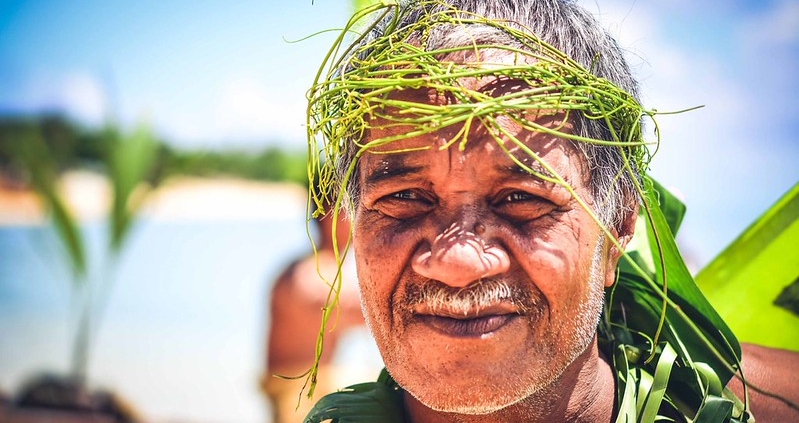 Elderly poverty in Kiribati is an important issue across the nation. Kiribati is an island nation that can be found in the central Pacific Ocean between Hawaii and Australia. Currently, the population of this small island is 138,400, with a male-to-female ratio of 0.95 to 1. Elderly poverty in Kiribati is one of the main focuses of poverty in the islands.
The Poverty in Kiribati
When it comes to the poverty in Kiribati itself, it goes all the way back to 2006, according to the World Bank, stating that about 21.8% of people in Kiribati lived below the national poverty line. This means that about one in five people could not afford basic needs like food, housing and other essentials.
The World Bank also measures poverty using global income levels, and they found that 12.9% of people lived on less than $1.90 per day compared to the 34.6% that lived on less than $3.20 per day. Even if the larger percentage is not in extreme poverty, a large portion of the population still lives with very low income. This does not mean, though, that the whole of Kiribati is like this; there is higher poverty in different areas, such as South Tarawa, having 24.2%, and the rest of the Gilbert islands at 22%. The people living in these areas experience more poverty than anywhere else in Kiribati.
Elderly Poverty in Kiribati
Poverty in Kiribati does not affect all groups equally. Certain populations are more vulnerable due to economic, social and health-related factors. According to information from the Save Kiribati website, certain groups in Kiribati society face a higher risk of poverty, including large low-income families, unemployed individuals and elderly people without family support.
The elderly in Kiribati are one of the groups that can be particularly vulnerable to poverty, especially when they do not have children or family members to support them. In Kiribati culture, elderly individuals traditionally rely on their extended family for financial help and daily care, as stated in a Kiribati country case study. Extended family support systems in Kiribati are weakening as people increasingly prioritize their nuclear families. This shift can leave vulnerable groups, including elderly individuals, with less social and financial support than in the past.
Many elderly individuals face health problems that make it difficult for them to work or support themselves. Improving access to affordable health care and medical services can reduce financial stress and improve the quality of life for older adults. The article “Leave no-one behind: social protection reducing poverty in Kiribati” by Ruth Cross Kwansing talks about how the Kiribati government increased financial support for elderly citizens through a program called the Senior Citizens Allowance (SCA). The Senior Citizens Allowance was first introduced in 2004 and provides monthly payments to citizens aged 65 and older to help cover basic living expenses.
In recent years, the government has increased the allowance to support elderly citizens better, and thousands of older adults now receive assistance through the program. This is just the beginning; elders are still struggling from poverty because of the missing support from their families, so it’s important to recognize still the issues that are still at hand.
Additional Efforts To Address Elderly Poverty
In addition to the Senior Citizens Allowance, development partners such as the Australian government have supported social protection initiatives in Kiribati. These programs aim to strengthen social services, improve healthcare access, and provide support to vulnerable populations, including the elderly. Such initiatives help reduce financial stress and improve living conditions for older adults experiencing elderly poverty in Kiribati.
Looking Ahead
Elderly poverty in Kiribati remains a serious challenge for many older citizens. While traditional family support systems once played a significant role in caring for the elderly, social and economic changes have reduced this support for some individuals. Government programs and development initiatives are important steps toward improving the quality of life for elderly people in Kiribati and reducing poverty among this vulnerable population.
– Grelby Santos
Grelby is based in Boston, MA, US and focuses on Technology and Global Health for The Borgen Project.
Photo: Flickr
