Elderly Poverty in Eritrea
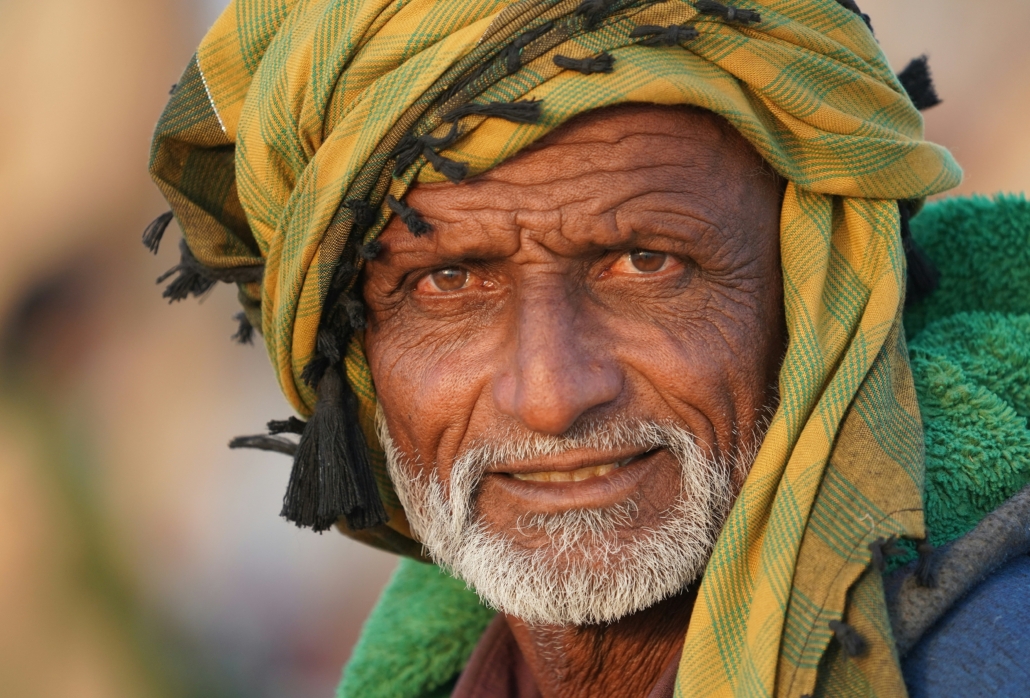 Eritrea, a small country in the Horn of Africa, faces significant challenges regarding elderly care and poverty. The World Health Organization (WHO) estimates that the elderly in Eritrea (aged 65 and above ) constitute approximately 5.4% of the population. Most elderly citizens live in rural areas with limited access to essential services.
Economic Hardship
The deterioration of traditional family support systems for the elderly in Eritrea is predominantly linked to prolonged conflict, emigration and financial constraints. Indeed, one of the primary factors for elderly poverty in Eritrea is the substantial effect of national service on family structure. Furthermore, this is compounded by the inadequate wages provided to conscripts.
In Eritrea, national service is mandatory for individuals aged 18 to 50, impacting nearly 3 million of the 6.1 million population. As of January 2020, conscripts are remunerated with a minimal monthly salary of 3,000 nakfa. The salary is equivalent to approximately $190, which fails to suffice for basic family necessities. This inadequate income may contribute to rising poverty levels among the elderly, as numerous families rely on the insufficient earnings of conscripts. Ongoing conflicts and limited opportunities have resulted in significant emigration, leaving behind elderly individuals without adequate care.
Health Care Challenges
Access to health care is a significant issue for elderly people in Eritrea. The World Health Organization (WHO) states that there are only 0.8 physicians for every 10,000 residents in the country, one of the lowest figures globally.
The Eritrean Population and Health Survey (EPHS) found that 75% of Eritreans reside within a convenient 10 kilometers of a health facility. This is a concerning reality for some elderly people who are left with the daunting task of traveling beyond this distance to reach a health care center capable of addressing their age-related health conditions. Many elderly individuals face financial hardships that prevent them from affording the necessary transportation to access essential health services.
During an advocacy meeting on aging and health from March 26 to 28, 2019, Dr. Andebrhan Tesfatsion, the acting Director General of Public Health Services, affirmed that Eritrean elderly receive respect and support from families and communities, viewing aging as a positive aspect. However, he pointed out significant challenges for healthy aging, including unprepared health systems, insufficient social support, inadequate nutrition, food security and a lack of health information systems for aging indicators.
Limited Pension Coverage
Elderly poverty in Eritrea is becoming an increasingly pressing issue, with many older adults facing significant financial hardships. One key reason for this rise in poverty is the limited effectiveness of the current social support programs available to the elderly. Unfortunately, these programs reach only a small fraction of older adults in the country. This leaves many vulnerable individuals without the assistance they desperately need.
In Eritrea, the formal social protection system for senior citizens is minimal. Official programs aimed at helping elderly individuals and pensioners account for a mere 1.8% of all national social protection initiatives. This staggering statistic highlights the lack of resources and support structures necessary to assist a growing elderly population.
According to ILOSTAT data, as of 2021, social protection covers only 8.4% of Eritrea’s overall population. This means that a vast majority of people, including the elderly, do not receive any form of social safety net. The situation is dire and many seniors struggle to meet their basic needs.
Food Insecurity
The Food and Agriculture Organization (FAO) reports that 65% of Eritrea’s population faces undernourishment, especially in rural areas where 78% live. Despite this, agriculture only contributes 14% to the country’s GDP, revealing a gap between rural conditions and economic support.
Elderly poverty in Eritrea is a critical concern, with 37% experiencing severe food insecurity. Indeed, only 60% can secure adequate nutrition in good years, and during droughts, this drops by 25%. This fluctuation highlights the vulnerability of agricultural systems and the urgent need for sustainable solutions to improve food security and quality of life for affected populations.
Solutions
Eritrea has progressed in elderly health concerns, from basic health care access to a comprehensive strategy aligned with international frameworks like the UN Decade of Healthy Ageing. The initial program (2017-2021) established objectives and a national focal point.
Eritrea’s current strategic plan (2022-2026) sets an ambitious goal of increasing healthy life expectancy from 53.7 to 63.6 years by 2026. Furthermore, the strategic plan addresses ageism and promotes age-friendly environments under the UN Decade of Healthy Ageing. It includes enhancing community care for older adults, improving data collection on healthy aging and revising health care policies to remove the fees for seniors. A nominal hospital registration fee of 6 Nakfa applies with waivers for those in need. Additional provisions include 24-hour emergency services, medication access for major non-communicable diseases (NCDs), improved governance and regional healthy aging programs.
– Vanuza Antonio
Vanuza is based in London, UK and focuses on Good News and Global Health for The Borgen Project.
Photo: Unsplash
