8 Facts About Education in Syria
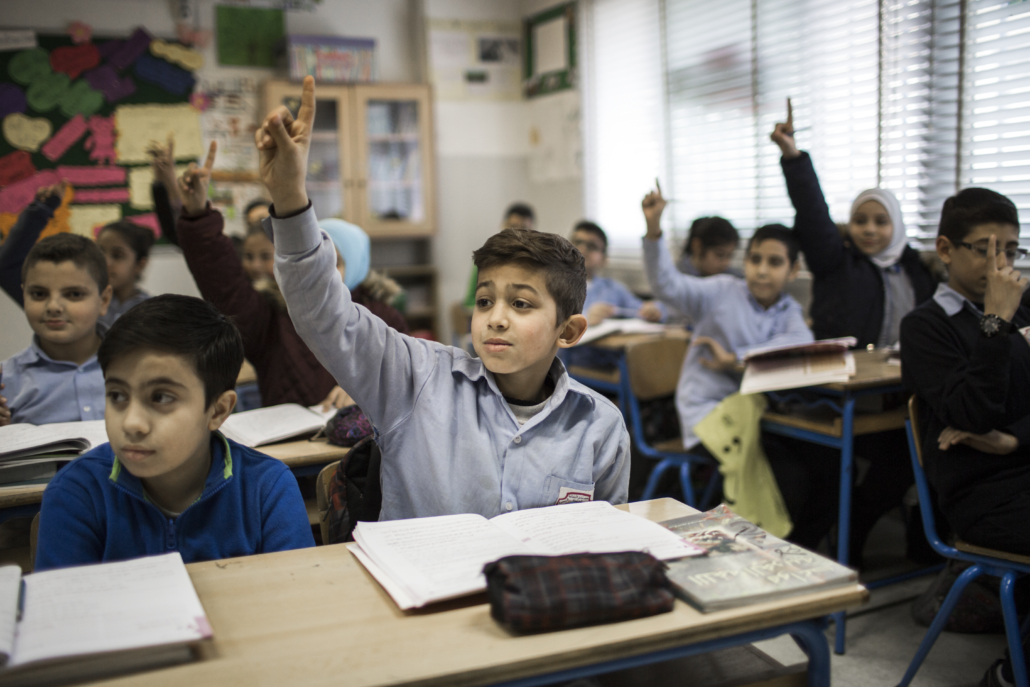
Syria is a Middle Eastern country that has been independent since 1946. Civil unrest and war within the country have been major conflicts that have affected other countries worldwide since 2011. These crises have had many negative effects on the Syrian education system. Here are eight facts about education in Syria.
8 Facts About Education in Syria
- Mandatory Primary Education
Primary Education in Syria is six years in length and is required by law for all children to attend. After this, children have the option – but are not obligated – to attend three years of lower-secondary education. Following this is an examination and for students who pass, the option to attend one of two types of three-year upper-secondary education, followed by another exam. Those who pass receive a Baccalaureate or a Technical Baccalaureate; at least one of these certificates is required to attend a university. - Female Education Prejudice
In Syria, despite the legal requirements to send children of both sexes to school, enrollment rates are dropping. Acts of violence, including sexual assault, are used to ensure girls do not attend school. Parents push for their boys to attend school when they can, but that encouragement is not extended to their daughters. More and more often, girls will stay at home until they are married and are then expected to take care of the household and children, fulfilling more traditional gender roles. - Impact of the War
With war a constant part of the daily lives of Syrians, violence is affecting the education process. Bombings and shootings have damaged an estimated 40% of school buildings. This makes it difficult for parents to send their children to school when a violent attack could happen at any time. - Refugee Status
Many Syrian refugee children are not enrolled in school or any type of education due to a variety of factors, despite attempts to increase their access to education. Some of these factors include language barriers, lack of transportation and child disabilities. - Child Marriage and Child Labor
Many children who do not have access to general education are forced into child labor. Some who do have access to education may still be pressured into child labor to help provide for the family. There is also the possibility that they will be forced into child marriages. Child marriage and labor are not uncommon in Syria and are major influences on the declining education rate. - The Norwegian Refugee Council Aid
In 2018, the Norwegian Refugee Council’s education program provided for children who did not have access to either education or a safe environment in which to learn. The organization has collaborated with parents and teachers to rebuild schools and re-enroll children who have been unable to attend. The goal is to recapture the education many children had lost raise them back up to appropriate education levels. - UNICEF Education Programs
The United Nations International Children’s Emergency Fund aims to protect and satisfy the needs of children. Recently, the organization provided over a hundred classrooms and over three-quarters of a million school bags filled with school supplies to children in Syria. This program helped to reach 2.4 million children both in the country and across borders with refugee status. - 2019 Humanitarian Strategy
The Regional Refugee and Resilience Plan is working to increase education access throughout 2020 to both children living in Syria and Syrian refugees. UNICEF will assist in providing educational services, as well as clean water and hygiene for school camps, food assistance and basic needs that are non-food related. This plan aims to reach Syria and the five main regions hosting Syrian refugees: Egypt, Iraq, Jordan, Lebanon and Turkey.
These eight facts about education in Syria show that while there are many factors preventing children from gaining an education, there are just as many aid programs determined to provide children with access to a stable learning environment. These programs help Syrians who reside in the home country as well as Syrian refugees who are fleeing to escape violence.
– Chelsea Wolfe
Photo: Flickr
