How Dual-Insecticide Nets Strengthen Malaria Control in Africa
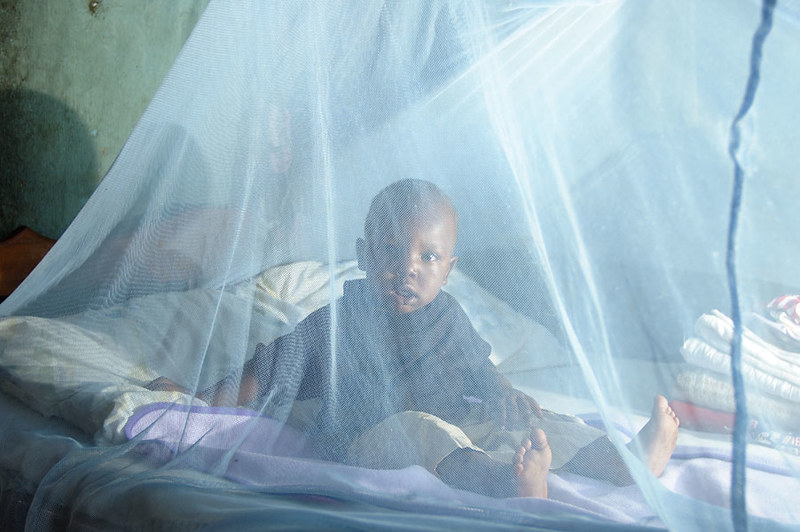 Malaria, a disease that comes from a mosquito bite, is one of Africa’s major health issues. Africa holds an estimated 94% of global malaria cases. According to the World Health Organization (WHO), malaria killed 569,000 Africans in 2023. To fight this disease, researchers developed insecticide-treated nets through research and experiments. These are mosquito nets with insecticides on them to repel mosquitoes. For the past two decades, these insecticide-treated nets have strengthened malaria control, but in recent years, mosquitoes have started developing resistance. This shift led researchers to spend years testing the idea of dual-insecticide nets, which eventually resulted in the creation of the Interceptor G2.
Dual-Insecticide Nets
Dual-insecticide nets are treated with additional chemicals that better target resistant mosquitoes. They combine standard insecticide with another compound that boosts the effects. The Interceptor G2 is the most advanced bed net developed through modern research. According to the WHO, clinical trials found that these new nets improved malaria control by 20–50%. Within three years, researchers estimate that the Interceptor G2 saved 35,000 lives. In addition to saving lives, the nets also helped prevent 13 million malaria cases, further strengthening malaria control.
Corine Ngurfor
Dr. Corine Ngufor is one of the many doctors who made a huge impact on the testing of dual-nets. Ngufor herself contracted malaria many times throughout her childhood and knows the struggles and impact this disease has on people firsthand. After earning her PhD, Ngufor started developing testing methods to reflect real-life conditions for the nets. These methods included ensuring the nets could withstand heavy rain, remain safe for children and stay lethal to mosquitoes. Researchers spent six years field-testing numerous prototypes before identifying the best option: the Interceptor G2. Her findings showed that dual-insecticide nets strengthen malaria control substantially more than previous nets.
Looking Ahead
The Interceptor G2 has made life-changing improvements for malaria prevention in Africa, but even so, researchers are preparing for future resistance. Ngufor is one of those doctors who are already at work trying to stay ahead of resistance. Research shows that dual-insecticide nets significantly strengthen malaria control. Ongoing studies on mosquito resistance and insecticide effectiveness aim to ensure these nets remain a reliable tool. With support from the WHO and other global partners, efforts to reduce and eventually eliminate malaria continue to advance. With help from WHO and other organizations in the fight to eradicate malaria, Ngufor believes there is an end in sight for malaria cases.
– Emily Herlehy
Emily is based in Denton, TX, USA and focuses on Technology and Solutions for The Borgen Project.
Photo: Flickr
