Drug Resistant Infections: A Global Crisis
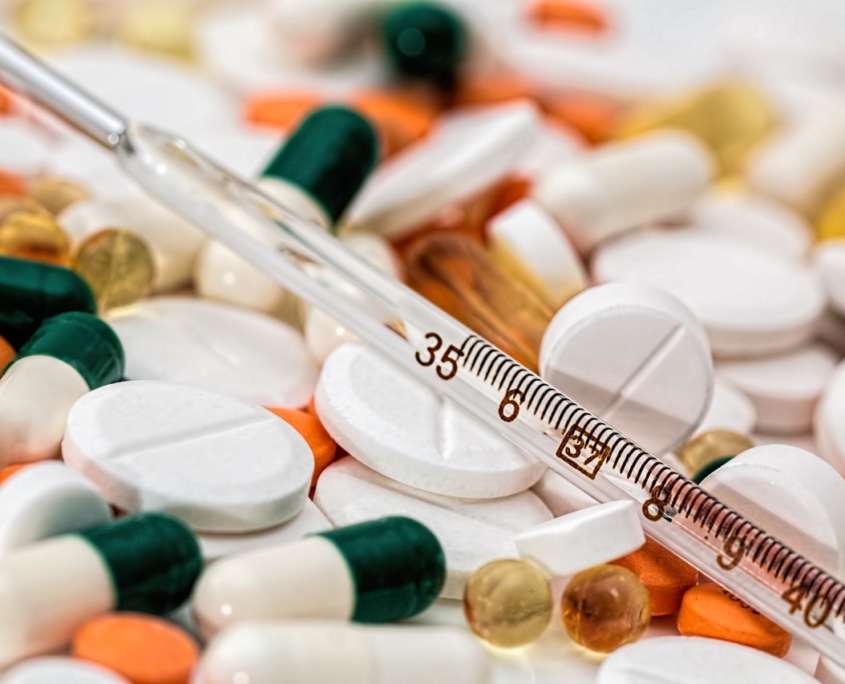
Antibiotics have long been considered one of the greatest marvels of modern medicine. Since their discovery in the early 1900s, antibiotics have promoted a previously unprecedented large-scale fight against disease. Their effectiveness, however, is starting to show its limits.
CDC Analysis
According to the Center for Disease Control (CDC), antibiotic resistance—also known as antimicrobial resistance or general drug resistance—is becoming more and more prevalent, with over 23,000 people dying from a drug-resistant infection or disease in the United States alone. Studies have shown that over 700,000 people die annually worldwide from drug-resistant infections. Diseases once thought to be treatable, such as tuberculosis and common bacterial infections, are slowly becoming harder to cure with standard antibiotics and antimicrobial drugs.
A Mounting Crisis
The sheer overuse of antimicrobial drugs, such as antibiotics, antimicrobials, or antifungals, is often cited as a factor in the rise of drug resistance. Numerous studies show that these medications are grossly overprescribed, specifically drugs in the antibiotic category. The overexposure of antimicrobial drugs to different bacteria drastically reduces the drug’s ability to fight infections and diseases, leading to a resistance that is almost impossible to treat. This phenomenon is only growing, with the United Nations estimating that resistant infection could kill up to 10 million people annually by the year 2050.
The Developing World at Risk
Developed nations like the United States and Western Europe have far greater chances of eliminating the problem by fighting diseases from the backend, with access to clean water, food and sanitary living conditions. But for underdeveloped countries where over half of the population lives below the poverty line, drug-resistant infections pose even more serious risks. These countries rely on antimicrobial drugs and vaccines to stave off epidemics and diseases and cannot afford to develop drug resistance of any kind. The United Nation’s (UN) latest findings point towards economic hazards of drug resistance as well, showing that if resistance continues to develop, healthcare costs and lack of resources could potentially send the economy into a decline similar to that of the 2008-2009 era.
Innovative Solutions
Finding innovative ways to combat drug resistance is the most urgent goal. The UN is among several groups looking to solve the resistance crisis, calling upon major pharmaceutical companies, research groups and investors to accelerate funding and assistance. Emphasizing the need for a worldwide plan, Dr. Margaret Chan, Director General for the World Health Organization, has stressed the need for a timely response, “Antimicrobial resistance is a crisis that must be managed with the utmost urgency. As the world enters the ambitious new era of sustainable development, we cannot allow hard-won gains for health to be eroded by the failure of our mainstay medicines.”
As a part of the much-needed urgent response plan, the WHO proposed a new strategy to the World Health Assembly in 2015 that highlights five main goals to fight drug resistance:
- Raise awareness
- Gain knowledge
- Reduce risk of infections overall
- Optimize the current use of antimicrobial drugs
- Increase investment in research and technology for new antimicrobial drugs
Hope for the Future
The CDC has also constructed what is known as the National Action Plan, a five-year goal with similar objectives working under their Antibiotic Resistance Solutions Initiative. Despite the imminent threat of drug resistance, the crisis is being taken seriously with appropriate responses in progress and clear plans of action to follow.
– Olivia Bendle
Photo: Pixabay
