Revolutionary Period Panties in the Developing World
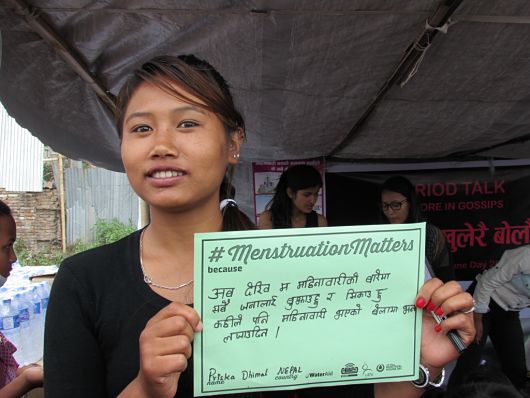
May 28th marks Menstrual Hygiene Day, a day of awareness seeking to break the taboo that exists in cultures and societies around the world. Menstrual Hygiene Day also seeks to raise awareness about the importance of good menstrual hygiene management (MHM).
Why is this so important?
Menstrual Hygiene is fundamental to education, the economy, health, the environment and human rights. Below are some statistics:
- Education: UNESCO estimates that 1 in 10 African teen girls will miss school because of their period and eventually drop out. These girls are still having to use socks filled with ash to manage their periods.
- Economy: In Bangladesh, garment workers miss work for an average of six unpaid days per month due to vaginal infections.
- Health: Poor menstrual hygiene not only affects physical health but also social and mental well-being.
- Environment: The average North American woman will use and throw away about 13,000 tampons and pads in her lifetime.
- Human Rights: A lack of adequate menstrual hygiene management denies women and girls their right to education, right to health and right to work in favorable conditions.
What is THINX?
A new company is trying to break the taboo surrounding menstruation, which is usually referred to as the “week of shame” in developing countries. THINX has designed period-proof underwear that they claim protects from leaks and keeps you dry.
The idea emerged when wearing a white skirt to a meeting and was developed over the course of three years of research by three women in New York City who sought underwear that was reliable during their periods. The end result is stain-resistant, anti-microbial, leak-resistant, absorbent underwear with a moisture-wicking layer.
THINX claims they can replace tampons and pads if you’re comfortable doing so. It offers underwear designed for light, medium and heavy days, with the level of absorbency ranging from one half, one, and two tampons worth or absorbency, respectively. They wash just like regular underwear, just cold wash and hang dry.
For the 80 percent of American women who have had accidents and have expressed anxiety during their periods, these period-proof panties may seem like a good investment.
How does your purchase help girls in the developing world?
The three women behind THINX love to travel. While they were in Africa, they met a young girl named Amale on a weekday, asked her why she wasn’t in school, and she said, “It’s my week of shame.” Amale misses about one week of school each month due to her period. She uses things she can find such as sticks, leaves, mud and dirty rags.
The women decided to partner with AFRIpads, an organization based in Uganda that makes washable, reusable cloth pads at an affordable price. The result is that for every pair of underwear you buy, seven washable, reusable pads will be produced for one woman. THINX felt that instead of giving them away, they are helping this movement grow by creating jobs for local women who make these pads and their girls can go to school with no shame. The underwear are currently made in a family-run factory in Sri Lanka.
THINX has received reviews from companies such as ELLE calling them “magic panties” and Fast Company saying they are “ingeniously designed.”
Considering that a woman throws away five or more pairs of underwear every year, it would be a better and more thoughtful investment to buy period panties that are stain-resistant and that help women and girls around the world.
– Paula Acevedo
Sources: Thinx, Menstrual Hygiene Day
Photo: Menstrual Hygiene Day
