Regenerative Solutions for Coffee in Colombia
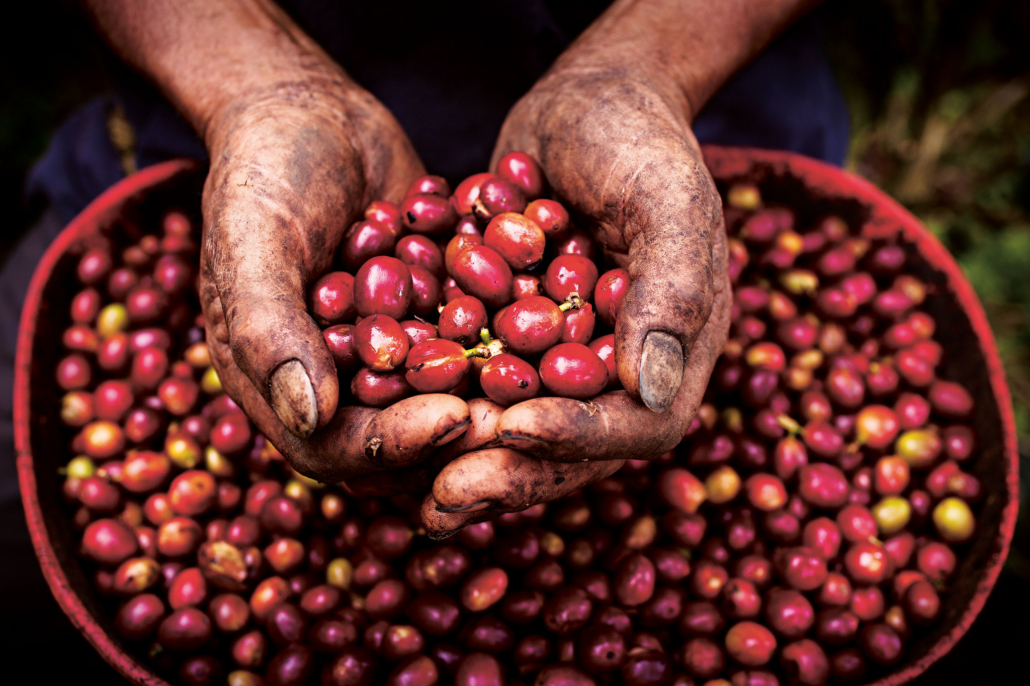
With the perfect tropical climate and high mountain terrains, Colombia has the ideal soil for coffee to flourish and grow in. However, more than five decades of conflict and changing weather patterns have proven to be obstacles for Colombia’s coffee industry, and this has hurt the livelihoods and businesses of local farmers. Despite the many obstacles, regenerative coffee farming in Colombia protects, restores and enhances soil health, helping to alleviate poverty among coffee farmers.
Conflict in Colombia and Poverty Among Coffee Farmers
According to the Economist, the conflict in Colombia was “the longest-running domestic conflict in the western hemisphere, killing more than 200,000 people and displacing around 7 million.” This internal conflict has destabilized many regions all over the country, especially heavily forested regions in south Colombia, forcing coffee farmers to abandon their farms or switch to different crops.
In 2021, the poverty rate in Colombia reached 39.3%. The overall increase in poverty in Colombia has mostly affected rural areas, where agricultural practices like farming are essential in supporting the livelihoods of families and communities. For instance, less than 40% of coffee farmers earn a sustainable wage making them more susceptible to falling below the poverty line, being unable to make ends meet and in turn, failing to provide for their families.
Benefits of Regenerative Coffee Farming in Colombia
Regenerative coffee farming in Colombia has risen since the end of 2016. There have been several initiatives including regenerative solutions for coffee in the country to help the coffee industry become more sustainable and eco-friendly. Regenerative coffee farming benefits local farmers and lowers carbon emissions, in turn, benefitting local Colombian communities, saving money and strengthening the livelihoods of farmers across rural areas.
Helping Local Communities
To help coffee farmers revive their industry sustainably, the Colombian Coffee Grower’s Federation partnered with Nespresso and its AAA Sustainable Quality Programme to help and support farmers in producing quality coffee and gaining access to the global marketplace.
Moreover, to improve the economic and social lives of Indigenous and rural women living in Colombia, Mercedes Ruiz, a coffee planter, alongside another 600 other Indigenous and rural women founded the Association of Rural Women Almaguereñas (AMURA). The organization works to strengthen women’s access to economic resources, raise awareness amongst communities about women’s rights and combat gender-based violence. They plan to market their own coffee products to contribute to their communities.
Nespresso has also expanded its coffee sourcing operations to areas in Colombia that were once affected by conflict. It made a substantial investment of $50 million to support the cultivation of sustainable, high-quality coffee in these regions. This initiative aims to promote economic development and sustainable practices in Colombia’s coffee industry.
Looking Ahead
These solutions, projects and initiatives provide a sense of community to Colombian coffee farmers and local Indigenous communities to expand their coffee industry globally and support communities affected by internal conflict and increasing poverty rates. Hence, increased funding and support for regenerative coffee farming in Colombia are essential to address the challenges of shifting weather patterns and to alleviate poverty. In addition, more support can potentially contribute to sustaining the well-being of coffee farmers and the broader local communities throughout Colombia.
– Amber Hamed
Photo: Flickr
