Brazil’s Drought Impacts Coffee and Orange Production
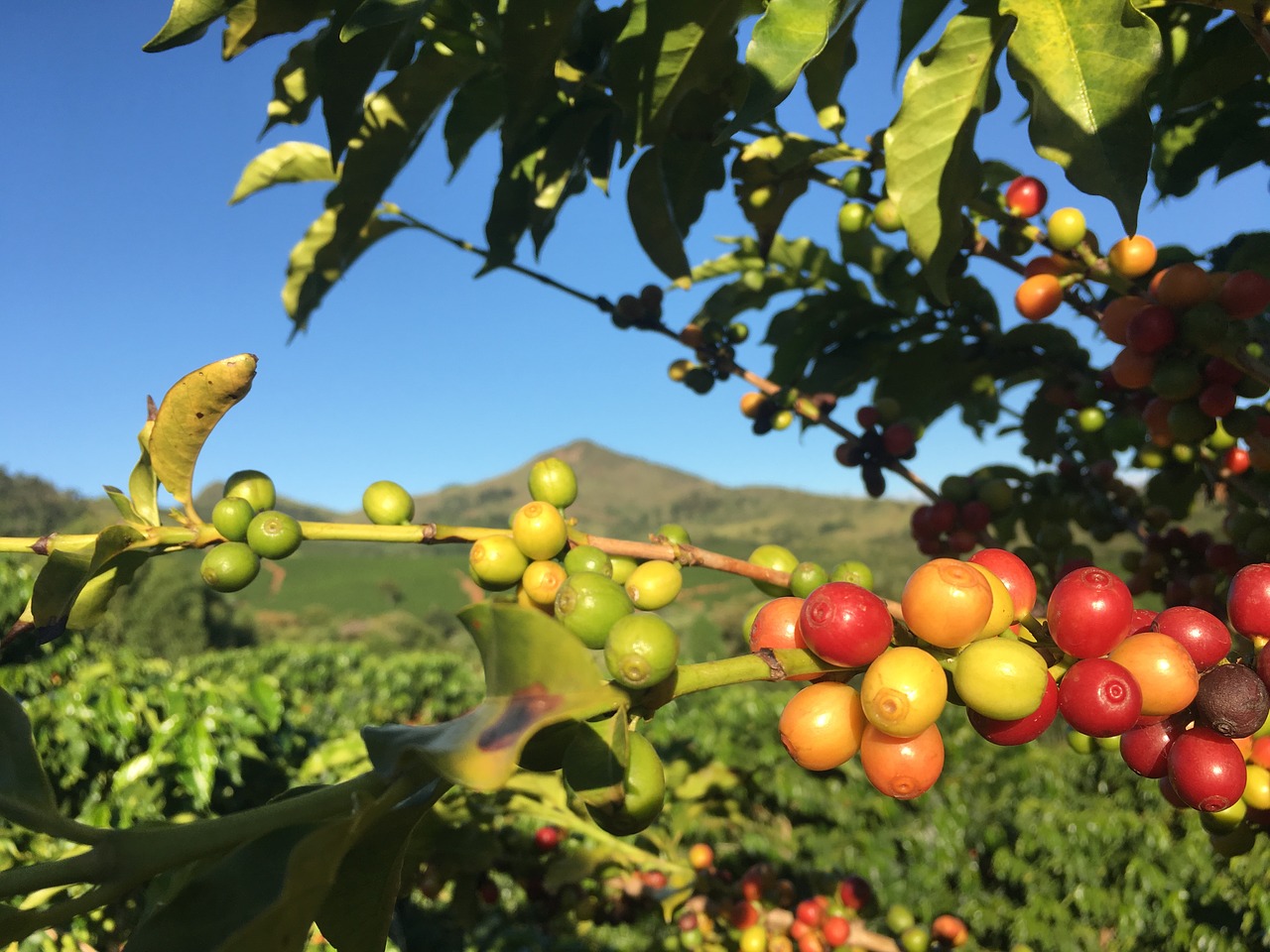 Brazil is the world’s largest producer of coffee and oranges. The country produces around a third of the world’s coffee and orange supply. In addition, Brazil exports the largest amount of Arabica coffee beans and orange juice. However, with the recent drought in Brazil, the crops that rely on irrigation, such as orange trees and coffee plants, are suffering. Coffee and orange production is declining, impacting the supply chain of both products around the world and putting a heavy burden on Brazilian farmers.
Impact on Coffee and Orange Crops
Brazil is currently facing one of the worst droughts in the country’s history. The agricultural regions in Brazil, particularly the states of São Paulo and Minas Gerais, are generally tropical, but they are suffering from dry soil and scarce water reservoirs. Brazilian farmers started turning on irrigation systems for orange and coffee crops early, in fear of the lack of rainfall and limited water reservoirs with the dry season approaching. However, coffee production is taking even more of a hit due to 2021 being a “limited year.” Coffee production runs on a biennial cycle, meaning while there will be a higher production of coffee during one year, the next year will yield a lower amount of coffee from the same trees.
This year’s crop production indicates that if the drought continues, it will severely impact the orange and coffee supply. The past season’s orange production decreased by 31% in comparison to the last season and estimates project that coffee production for the 2021-2022 crop cycle will drop by the same percentage. More specifically, Arabica coffee may see a decline in production of “between 32.4% and 39.1%.” With coffee trees not receiving enough moisture and orange groves experiencing ripeness inconsistencies, coffee and orange production is decreasing.
Overall Consequences of Drought
With the lack of coffee and orange production, the supply of these crops is limited. Limited supply and high demand are driving up the prices of both products, particularly coffee. The prices going up for these popular crops indicates that the products will be more inaccessible due to expensive price points. Already, wholesale coffee prices have surged at a record high in comparison to recent years; the rate for Arabica coffee reached almost $1.70 per pound this year, which is a 60% increase from 2020. Along with higher coffee price points, orange prices are expected to rise and there may be an orange juice shortage.
Overall, Brazil is a large agricultural hub, not only producing coffee and oranges but also other vital crops, such as sugar cane and corn. Therefore, “the drought is also hurting key farming states, at a time when the agricultural sector has been driving Brazil’s economic recovery, with growth of 5.7% in the first quarter.” However, the drought not only affects the supply chain but also the farmers themselves. Farmers are selling coffee for very low prices and have had to even renegotiate prices with traders. The drought negatively affects everyone in the supply chain, however, farmers and their families depend on the income they get from selling crops.
The MAIS Program Provides a Solution
While there is no solution to directly combat the drought in Brazil, there are organizations that help farmers with agricultural technology and even an organization that helps farmers when it comes to climate crises. The MAIS Program uses different strategies in order “to help farmers plan for drought-intensive periods.” Some of its initiatives include modules with the ability to provide income to farmers with technical assistance. The organization provides solutions to farmers, including using the Opuntia-ficus cactus “as a substitute for corn and a biophysical water and food storage system” and planting drought-resistant trees. This program is designed to help farmers adapt to changes in weather and ensure food security in Brazil.
Every dollar that goes into the program generates $7 in the Jacuipe Basin of Brazil, among other impacts. Programs like MAIS help farmers deal with the impact of weather on crops, including the drought in Brazil that is affecting coffee and orange production.
– Karuna Lakhiani
Photo: Pixabay
