How China’s Investment in the Middle East Is Helping Poverty
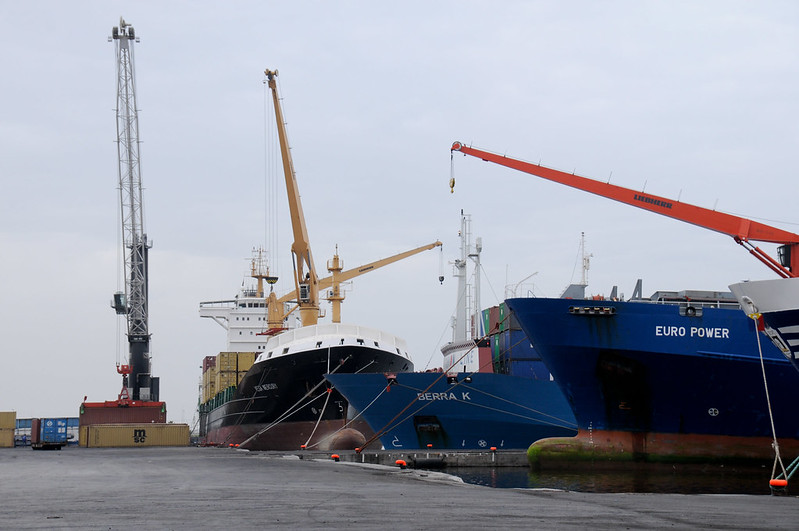 China’s investment in the Middle East is due to its surging energy consumption growth rate, driven by a rapidly expanding economy. This was highlighted in 2001 when China joined the World Trade Organization (WTO). The country needs gas and oil to support its economic expansion and energy security to overtake all other nations as the world’s top goods exporter. As a global economic powerhouse, China has created alliances in the Middle East by capitalizing on the region’s strategic location and wealth of resources.
China’s investment in the Middle East is making a notable impact on alleviating poverty, particularly in the areas of trade, infrastructure and energy. With more than half of its oil supply originating from the Persian Gulf, the nation stands as the largest global importer of oil. The Persian Gulf region contributes nearly a third of the world’s oil production and hosts more than half of the global reserves of crude oil and gas.
Trade and Economic Partnerships
Initiatives like the Belt and Road Initiative (BRI) show China’s proactive involvement with the Middle East and highlight an attempt to strengthen economic ties. The cooperative frameworks promote economic growth and improve connectedness. The diversification of local economies helps Middle Eastern nations grow more and more integrated into China’s wider economic network. Increased trade and economic ties show how Chinese investment is helping tackle poverty by creating the foundation for equitable and sustainable economic growth.
China’s engagements with the countries involved in the initiative stood at $59.5 billion in 2021 and $60.5 billion in 2020. Additionally, the report reveals that China and Iraq are collaborating on several other projects, including the $5 billion Al-Khairat heavy oil power plant in the province of Karbala. Egypt holds a pivotal role in the Belt and Road Initiative, having signed multiple contracts amounting to $18 billion with China in 2018. Beijing is actively engaged in significant projects such as the new administrative capital of Cairo and the Economic-Technological Development Area within Egypt’s Suez Canal Economic Zone in Ain Sokhna.
Infrastructure Investments
China’s involvement in infrastructure development is reshaping the landscape of the Middle East, positioning the nation as the region’s primary economic partner. Through the creation of an environment that fosters business growth, job creation and increased economic opportunities for the local population, improved infrastructure catalyzes increased trade, tourism and overall economic development. This strategic involvement highlights China’s commitment to fostering sustainable growth and mutually beneficial partnerships in the Middle East.
In an official statement, a notable Chinese company proposed investing up to $10 billion in infrastructure projects in the Autonomous Kurdistan region of northern Iraq in 2023. Mohammed Shukri, Chairman of the Kurdistan Investment Commission, stated, as cited by Aliqtisadi News and other Iraqi outlets, “This Chinese group has made an offer to invest $10 billion in projects in Kurdistan, covering rail networks, power, roads, water dams and other sectors.”
Energy Sector Investments
China’s significant energy sector investments in the Middle East, especially in gas and oil, indicate a strategic alignment of economic interests and cooperation between the two regions. Notably, China has emerged as the largest non-oil trading partner for both Saudi Arabia and the United Arab Emirates (UAE) on a global scale. Furthermore, the UAE has maintained its position as China’s second-largest trading partner.
These investments go beyond securing a stable energy supply to offering substantial benefits to the governments and economies of the Middle East. The influx of capital into the energy industry, facilitated by joint ventures and partnerships, can lead to increased job opportunities and the growth of auxiliary sectors. Additionally, the significant profits made from these energy projects serve as a crucial source of funding for Middle Eastern governments. This financial support enables them to allocate funds for infrastructure, social programs and initiatives aimed at poverty reduction.
Future Outlook
China’s investment in the Middle East plays a vital role in addressing poverty and catalyzing revolutionary developments in the region. These investments have the potential to significantly alleviate poverty by fostering economic growth, job creation and technological advancements.
To guarantee that the advantages are equitable and sustainable, however, rigorous assessment of environmental and social aspects will be essential, along with efficient governance. Sustained observation, communication and flexible policies are necessary as China and the Middle East work together to create a prosperous future.
– Ellen Jones
Photo: Flickr
