3 Bottom-Up Organizations Within Haiti Battling Poverty
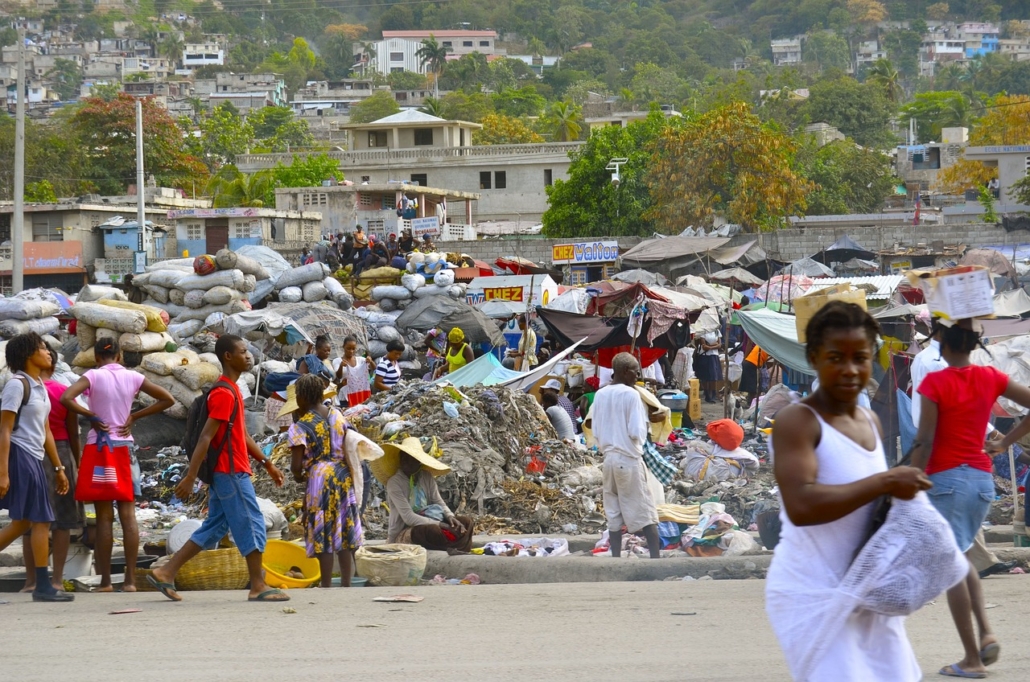 A bottom-up approach to tackling poverty, which stems from colonial endeavors, is crucial when addressing poverty, as seen in these three successful examples of bottom-up organizations within Haiti.
About Poverty in Haiti
While Haiti experiences multiple forms of poverty, such as from their encounters with tropical storms, the root of Haitian poverty is undoubtedly European colonialism. While Haiti is now an independent country, its trauma is still severe as “European countries had colonized Haiti in the late nineteenth century, instituting a system of economic exploitation in which Haitian raw materials, particularly cash crops and minerals, were expropriated and exported to the sole benefit of the colonizing power where they built their Empire at the expense of Haiti.”
The statistics are harrowing: “In Haiti, nearly 59% of the population lives below the poverty line, with limited access to basic services. Haiti ranks 163 out of 191 countries on the 2021 Human Development Index, and is affected by political turmoil; cholera; poverty; institutional and socioeconomic crises; and natural disasters.”
It is critical to understand the significant benefits of bottom-up organizations within Haiti to battle these statistics and realities for many while subverting colonial behavior. Here are three bottom-up organizations within Haiti that are making a real difference.
1. Peasant Movement of Papaye/Mouvman Peyizan Papay
As mentioned, European colonialists stripped Haiti of much of its natural resources and natural resources. This environmental degradation plays a considerable role in poverty, making it harder to grow crops and crucial natural resources. Peasant Movement of Papaye/Mouvman Peyizan Papay (MPP), founded in 1973, seeks to undo the damage to their land and prevent further degradation.
One of the main symptoms of poverty is hunger, and MPP targets this symptom. In August 2023, the MPP brought together 1,500 delegates from across Haiti to ratify a five-year strategic plan revolving around agrarian support and advocacy for inclusion.
Also, in 2023, it was the International Winner of the Food Sovereignty Prize, which the U.S. Food Sovereignty Alliance awarded it with. It celebrated 50 years of using collective food production and commercialization, technical assistance, advocacy, litigation, direct action and more to achieve food sovereignty.
2. Haiti Food Systems Alliance
Similarly to MPP, the Haiti Food Systems Alliance seeks to end hunger in Haiti. Founded and run by Haitians, their mission is to generate enduring and foundational economic change for Haiti’s rural families and communities.
The Haiti Food System Alliance supports 34,000 Haitian farmers and, as of 2023, has provided 13 million locally sourced meals to Haiti’s most vulnerable regions and demographics.
In June 2023, the Haiti Food Systems Alliance partnered with other local organizations to feed hundreds of students peanut butter and cassava.
3. Groupe D’Appui Aux Rapatriés Et Réfugiés
Groupe d’Appui aux Rapatriés et Réfugiés (GARR) is a bottom-up organization that helps some of the most impoverished people of Haiti: refugees and internally displaced people. Not only do they provide important resources such as food and shelter, but they also provide legal assistance and rehabilitation programs.
GARR also helps prioritize women and girls who are especially vulnerable to violence. According to the Haitian times, “In 2022, GARR recorded 161,986 repatriated Haitians, 30% of whom are women and girls.”
In August 2017, GARR worked together with representatives of the Dominican Republic to prevent further xenophobia among Haitian refugees and immigrants in the Dominican Republic. GARR has worked to dismantle current tensions and prevent further tensions from being established, all while cultivating a culture of peace.
Concluding Thoughts
All three of these bottom-up organizations within Haiti provide critical assistance to the impoverished communities within Haiti. Not only do they provide agency and sustainable practices to alleviate poverty, but they subvert the colonial foundations from which so much poverty stems.
In Haiti’s poverty, these organizations provide a beacon of hope. They not only address immediate issues such as hunger, agriculture and the safety of displaced peoples but provide an unwavering commitment to dismantling the persistent symptoms of colonial exploitation.
– Piper Jenkins
Photo: Pixabay
