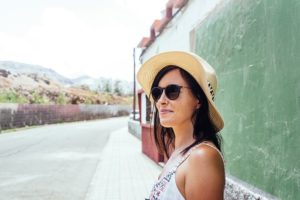
 To advance women’s rights in Spain, the Spanish parliament is implementing and strengthening legislation to give women more resources, freedom of choice, equal opportunities and greater protection. Hundreds of women gathered in the streets of the country to celebrate the recent passing of the new laws that uphold women’s rights in Spain.
Gender Equality in Spain
The roots of the country’s gender inequality derive from the Franco era of National Catholicism. During this era (1939-1975), the regime significantly restricted women’s rights and gave strict regulations for women to follow. For example, without her husband’s consent, a married woman could not engage in most economic activities, such as participating in the labor force, owning land/property or traveling.
However, Spain’s transition to a democracy spurred a feminist movement with women throughout the country demanding equal rights, leading to milestone changes for women’s rights in Spain.
In the present day, Spain stands strong as one of the top 20 most gender-equal countries in the world. In the Global Gender Gap Report of 2022 by the World Economic Forum, Spain ranked 17th out of 146 countries. Despite Spain’s gender equality rate standing at about 78%, progress is still necessary to achieve gender parity.
Violence Against Women in Spain
Spain has struggled with gender inequality and gender-based violence due to the “machismo” culture prevalent across the nation. The machismo culture contributes to male aggression and violence against women. In 2022, Spain implemented a new system to officially count the number of femicides in the country, making it the first nation in Europe to do so. This system aims to prevent gender-based violence in Spain and address the roots of the problem. According to government statistics, since 2003, at least 1,125 women in Spain have been killed by their husbands or former partners. In 2021, this number equated to 43.
The executive summary of the 2019 Macro-Survey on Violence Against Women by the Ministry of Equality shows that more than 50% of women aged 16 and older in Spain have experienced violence due to their gender at least once, equalling about 11.6 million women.
The 2019 summary further states that 13.7% of women aged 16 and older in Spain have experienced sexual violence at least once in their lifetime.
The Third Strategic Plan
These staggering statistics explain why the Spanish parliament is focusing its attention on women’s rights in Spain. Lawmakers created a strategy called the Third Strategic Plan for the Effective Equality of Women and Men (PEIEMH) 2022-2025.
This plan is a €21.319 billion investment with four main goals:
- Create a more inclusive government showcasing democracy.
- Further the economy through unbiased issuance of wealth and closing the gender wage gap.
- Eliminate gender violence.
- Secure women’s rights in Spain in every aspect of their daily lives.
Furthering Women’s Rights
The Third Strategic Plan is cohesive with the new laws the Spanish parliament has passed. One of these pieces of legislation introduces menstrual leave for women, making Spain the first European nation to offer paid menstrual leave for those who endure excruciating menstrual pain that interferes with daily life.
Considering that at least two in 10 women in Spain live in poverty, this means at least 20% of women in Spain endure menstrual poverty as well. Period products, such as pads and tampons, will now be accessible without cost in schools and prisons in response to the rise of menstrual poverty among women.
In August 2022, lawmakers strengthened the “Only Yes Means Yes” legislation to better protect the rights of victims of rape. The law states that any nonconsensual sexual activity is rape and express consent will be key in sexual assault cases. Prior, in order to obtain a conviction, these cases needed evidence proving that a perpetrator used violence or intimidation.
“The new law removes the distinction between sexual abuse and sexual aggression (rape) by making explicit that consent is the deciding factor. Passivity and silence can no longer be interpreted as consent,” noted The Guardian.
Spain is also looking to introduce a law requiring companies and the Cabinet to have at least 40% of their boards made up of women. This law will give more women in Spain the opportunity to be represented in political positions and in the workforce.
Spain continues to strive toward advancing women’s rights and protecting the country’s women. Incorporating new laws will provide a brighter future for the country and its people, especially women.
– Zyairah White
Photo: Pixabay

The Impact of COVID-19 on Poverty in Cambodia
Unemployment in Cambodia
A substantial rise in unemployment, particularly in the nation’s informal sector, took place as a result of the pandemic. The informal sector of a nation’s economy is traditionally defined as an economic sector that is neither taxed nor monitored by the government. Within Cambodia, this takes the form of service work, as well as labor in agriculture and construction. Presently available data places Cambodia’s workforce employed in the nation’s informal sector at anywhere from 80% to 93%. Around one in five workers in Cambodia’s informal sector lost their jobs due to closings, layoffs and decreased demand. Unemployment levels in the informal sector continue to remain higher than they were pre-pandemic. The rise in unemployment in turn resulted in a rise in poverty in Cambodia.
Furthermore, tourism also fell, causing significant economic losses. International visitors dropped by about 80% in 2020, causing many businesses to cease operations, lose significant revenue and business and lay off workers. This impacted businesses, from travel agencies to street food vendors. While the Cambodian government is working to offset these economic losses and independent agencies have put together recovery plans, recovery has been slow for many within the tourism industry. Many are struggling to reassert their footing in an economy that has changed so fundamentally within the past three years.
Recovery Initiatives in Cambodia
Even with the substantial negative effects that the COVID-19 virus had on the economy in Cambodia, government initiatives have worked to mitigate some of the impacts of the pandemic. One of the most notable is the country’s new cash transfer program. Implemented in June 2020, the program’s benefits have been incredibly significant. The Cash Transfer Program acted as a safety net for those classified as poor under the country’s IDPoor system, as well as for children (5 years old and younger), the elderly and the disabled. An analysis performed by the United Nations Development Program found that the cash transfer program resulted in economic growth. Poverty in Cambodia was also reduced and metrics for food security, economic productivity and health and wellness improved. The program reached over 600,000 households and over 2.7 million people across the country.
In addition, there are non-profits and NGOs working to mitigate the worst effects of poverty in Cambodia. For example, the organization M’Lop Tapang provides education, meals, community support and medical care to impoverished families and at-risk youth within Cambodia. It partners with the Cambodian government as well as several NGOs to help those most in need. Before the COVID-19 pandemic, the poverty rate in Cambodia was 17.8%. Poverty in Cambodia has increased to include approximately 460,000 more people classified as poor. M’Lop Tapang helped during the worst of the COVID-19 pandemic, delivering food to hundreds of needy families.
Looking Ahead
There is no doubt that the impact of the COVID-19 pandemic was economically disastrous for the people of Cambodia. However, Cambodia continues to improve economically one day at a time, and a return to exceptional growth for the people and economy of Cambodia looks to be a matter of ‘when’ and not ‘if.’
– Alexander Pommells
Photo: Flickr
Community Organization Helps Stateless Children in Malaysia
Challenges for the Bajau Laut
Due to their remote location and lack of awareness, children’s births are often not registered. In addition, due to their lack of identity documents, they are deprived of basic rights, including education and health care. They also have limited freedom of movement. The local authorities have continuously refrained from providing any form of assistance to the community. Since they are not being reached by humanitarian actors, their vulnerability is further increased. Furthermore, they are among the most discriminated-against groups in Indonesia, Malaysia and the Philippines. They are at risk of involuntary deportation to their supposed country of origin which is the Philippines.
The Bajau Laut people also live within an area of high conservation and tourism value. As a result, they have had various restrictions imposed on them by tourism and conservation authorities. This further affects stateless children’s access to education. Iskul Sama DiLaut Omadal (Iskul), a community organization, was formed in 2015 to provide children with education, mainly surrounding literacy, hygiene practices and learning the Bahasa Malaysia language. The school also provides free meals for up to 30 Bajau Laut children per class. Women on the islands are able to earn an income by preparing these meals.
The Effect of COVID-19 on Malaysian Children
During the COVID-19 pandemic, stateless children in Malaysia could not attend face-to-face classes and also lacked online access to lessons. Additionally, awareness regarding COVID-19 was low. Iskul addressed this by producing songs and videos about COVID-19 prevention measures and vaccination. The organization encouraged students to sing together and show the videos to their friends. Once in-person classes resumed, the teachers conducted hygiene workshops, encouraging the children to develop good habits such as brushing their teeth every morning. They also appointed student ambassadors to educate family members. This was alongside developing a shadow play theatre production, called ‘Omadal Fights Corona’, to raise awareness around COVID-19. The production was performed for both community members and visitors in the native language. Moreover, the community organization taught pregnant women and new mothers how to manage their health. It also provided this group of women with health supplements.
Furthermore, the strict movement control order implemented by the Malaysian Government to prevent the spread of the COVID-19 virus adversely affected families and stateless children in Malaysia. This significantly affected fishing, their main source of livelihood. Families suffered two-fold from this, as both their income and their source of food were impacted. Following an announcement by the Sabah government that everyone would be included in food ration distribution, regardless of nationality, and a statement by the Defense Minister to decentralize distribution, Iskul worked with the authorities to expedite and facilitate the food distribution to families on the islands. In order to help stop the spread of the COVID-19 virus, the organization ensured that food basket delivery was contingent upon families taking a COVID-19 test. In addition, the community organization also distributed food and vitamin C.
Looking Ahead
These innovative activities undertaken by a small, underfunded school in a remote location highlight the impact of funding community-based organizations, which have the trust of the community. Through these efforts, families on the islands have been able to access lifesaving assistance. This has also enabled stateless children in Malaysia to access education.
– Ottoline Spearman
Photo: Flickr
The Pros and Cons of Using AI in Africa to Alleviate Poverty
Poverty Identification
Some Stanford scholars have pioneered a method to identify poverty by using AI to examine readily-available satellite imagery of African regions to estimate current poverty levels and development over time. The tool examines both daytime and nighttime imagery and human infrastructure such as roads or housing. It also uses light at night in tandem to assess levels of development in a region. This application of AI in Africa could help governments and organizations understand where poverty is concentrated regionally and thus direct effort and resources to these areas in efforts to alleviate poverty.
Agriculture
Several instances indicate the utility of AI in African agriculture. AI-supported phone apps such as Agrix Tech has supported crop farming in Cameroon. The app allows farmers to upload pictures of crops for assessment. The app then assesses the crop’s health, diagnosing any issues and suggesting remedies. Due to high levels of illiteracy, the app also reads the diagnosis aloud in local languages.
The U.N. has also launched several AI-based apps that provide information about weather patterns, production techniques, fertilizers and so on. These advancements carry the potential to help African farmers make more informed decisions, thereby boosting agricultural yield.
The popular app Hello Tractor is also in use across the continent. The app helps connect small farmers with local tractor owners to provide these farms with farming machinery that can dramatically increase the speed, efficiency and productivity of their operations.
Finance
There have been significant examples of AI’s potential in aiding African finance. During the COVID-19 pandemic, the Togo government quickly built a mobile payment platform called Novissi which leveraged AI to identify the most vulnerable people and distribute financial support. This initiative resulted in financial aid reaching more than 500,000 people. This result suggests that AI can transform the process of aid provision for those living in poverty for the better.
Taking Jobs and Widening Inequality
Alongside its positive sides, AI has some potential cons. Goldman Sachs recently claimed that AI and automation could make 300 million jobs worldwide obsolete. This danger poses a risk in Africa, potentially threatening millions of jobs.
Furthermore, much of the most cutting-edge work in AI is taking place in other continents, such as Europe and Asia and Africans worry that it is experiencing a brain drain, with talented Africans continuing to seek work abroad. Not only does this mean that Africa’s workforce could shrink, but the development of AI in Africa and its potential benefits could be hindered.
Looking Ahead
The potential benefits of AI to alleviate African poverty are huge, but regulation and adherence to ethical guidelines such as those agreed upon by the OECD or UNESCO will be necessary to ensure that the technology doesn’t cause more harm than good. Overall, the technology has shown the potential to empower farmers, connect communities and provide targeted assistance to vulnerable populations.
– Saul Gunn
Photo: Flickr
3 Video Games That Aid Global Health
Borderlands 3
In recent years, Borderlands 3 made an impact on the science community with the introduction of Borderlands Science in 2020. An arcade cabinet in the comedic first-person shooter game allows players to try out Borderlands Science. Each level has a target score and players get rewards as in-game accessories if they achieve this score or higher.
The minigame works to map out the microbiome of the human gut. It does this by translating each strand of DNA as a color or block, then players solve puzzles involving these blocks and colors. The goal is to use this data to combat disease, as some microbes in the human gut are associated with diabetes, Parkinson’s, Alzheimer’s and much more. Scientists may be able to treat these diseases with more insights about which microbes are the underlying factors. This could save scientists many hours of research and also assists genomic sequencing. Player behavior demonstrates the most effective way to solve these puzzles, which is being studied for its ability to help the task of genomic sequencing.
In developing countries, there is much difficulty with accessing health care for the aforementioned diseases. There is a combination of poor access to care and high rates of disease. For example, there were 309,000 prevalent cases of Parkison’s in the Middle East and North Africa in 2019. This was alongside 80% of diabetics and 58% of people with dementia living in developing countries. Diseases like Parkinson’s have no known cure, whereas the risk for Alzheimer’s is highest in countries with challenges in access to education.
Finding treatments for these diseases could lead to better health globally, especially in countries with difficulties accessing health care. For this reason, Borderlands 3 has become a popular example of video game that can aid global health efforts.
World of Warcraft
World of Warcraft is a multiplayer online roleplaying game, where players are given free will in an immersive setting. A 2005 update introduced an infectious status debuff known as Corrupted Blood which caused players to lose health over time. Originally, this debuff only existed in one area of the game and would be deleted when players left the area. The problem was that players could have pets and they would retain the debuff, infecting players outside of that area.
This situation has drawn the eye of many scientists as a way to study human behavior, as every player reacted organically. Since gamers are invested in the world, which John Kirkland described as an “economy,” it created pandemonium. While this specific instance was uncontrolled, many scientists investigating video games that aid global health still use it as a reference.
Professor Jodie McVernon noted the similarities between how players reacted to Corrupted Blood and how people reacted to COVID-19; some ran, some went to densely populated areas and some tried to help others. Ran Balicer considers it a place to study the spread of disease and others related it to Avian flu. National Science Foundation (NSF) believes the behaviors exhibited during the Corrupted Blood pandemic will be similar to real-life scenarios.
Epidemiologist Nina Fefferman believes partnering with video games to simulate real human behavior is an excellent idea since it reveals factors not initially considered in epidemiological modeling such as empathy or curiosity. She continues to study similar virtual spaces to model infectious diseases in her lab.
Pokemon Go
Pokemon Go is an augmented reality game that encourages players to go outside to capture Pokemon and battle each other. It quickly became one of the most popular mobile phone games. People were quick to ask if it had a positive impact on health.
From a review, 76% of tweets suggested that the app had a positive effect. It benefitted physical health with players increasing their step count by 25% to 35% and they were more likely to engage in physical activity like walking their dog. The social health benefits include players strengthening bonds with friends and reducing their anxiety. Mental health benefits were considered more neutral, though still skewed positive as it reduced anxiety and improved cognitive performance.
Looking Ahead
As video games continue to become a popular form of entertainment, there are growing questions about the global health implications. Institutions like McGill University see the value of using video games to collect difficult-to-gather data. Scientists find value in its ability to model human behavior. These trends suggest that video games carry the potential to advance global health efforts.
Photo: Flickr
How Organizations are Aiding the Health care System in Nigeria
The Condition of the Health Care System in Nigeria
On average, doctors attend to several patients daily, with an official ratio of one doctor to 5,000 patients. Despite this fact, a lot of doctors are still leaving. This high workload has led to a significant impact on the mental health of doctors. Mental, emotional and physical exhaustion as a result of prolonged stress is a common issue among doctors worldwide, with about 40% to 50% of doctors experiencing this in the United States. In comparison, more than 75% of doctors experience have this problem in Nigeria. Causes of this psychological stress have been linked to increased patient demand, long working hours, loss of life balance, inadequate salaries and poor working environments.
Reportedly, a high percentage of doctors have left the country because of the poor infrastructure and welfare conditions they experienced. Despite the strike and protest from doctors regarding the situation, there have been little to no desired responses or actions from the concerned bodies. Rather than finding ways of resolving the issue, lawmakers are proposing to stop the migration of Nigerian-trained doctors.
Initiatives that Focus on Improving the Health Care System in Nigeria
Although the health care system in Nigeria is poor, a number of organizations are making efforts to improve the current conditions. Intrahealth, alongside Capacity Plus Initiative and USAID collaborated with the Federal Ministry of Health and other partners to assist in the distribution of health workers through human resource intervention to areas that require their services.
Bill and Melinda Gates Foundation has also partnered with the Nigerian Government to improve health care. The organization achieved this by investing in programs that assist maternal and child health alongside immunization and pre and post-natal care.
The Northern part of Nigeria is the worst hit in terms of deteriorating health care and poverty. In 2022, three Northern states (Adamawa, Borno and Yobe) in Nigeria had more than 8 million people that needed humanitarian aid. The World Health Organization (WHO) developed strategies that aim to save millions of lives by rendering emergency health services to the most vulnerable people and locations with no health facilities.
WHO is working to achieve its goals by improving disease surveillance systems, providing nutrition, immunization and protection from gender-based violence. So far, WHO has been able to support more than 1 million people in Nigeria.
Government Efforts
The Federal Government of Nigeria through the Ministry of Health is working to bridge the gap for health workers by embarking on a “one-on-one replacement.” This means that for every doctor who travels out, the government will employ another one as a replacement. In light of this, the Nigerian government is making efforts to organize internship and residency programs. It is also trying to ensure that doctors who have traveled for more than 10 years give back to the community through virtual training and other initiatives.
Looking Ahead
Efforts are underway to address the challenges facing Nigeria’s health care system. Organizations like Intrahealth, Capacity Plus Initiative and the Bill and Melinda Gates Foundation are collaborating with the government to improve health care infrastructure and services, particularly in underserved areas. WHO is also working to provide emergency health services and support vulnerable populations. Additionally, the Nigerian government is implementing initiatives to bridge the gap in health workers and promote knowledge sharing. These collective efforts bring hope for a stronger and more resilient health care system in Nigeria.
– Chidinma Nwoha
Photo: Pixabay
Tea Production in Developing Countries and the SDGs
Meeting the SDGs
The production and processing of tea hold the potential to significantly contribute to the 2030 Agenda for Sustainable Development, which outlines the 17 SDGs and provides a “shared blueprint for peace and prosperity for people and the planet, now and into the future,” the U.N. highlights.
Tea production in developing countries can help meet several SDGs. For instance, eliminating extreme poverty (SDG 1), zero hunger, (SDG 2), female empowerment (SDG 5) and the sustainable use of terrestrial ecosystems (SDG 15). By further improving the tea value chain, the tea industry can play an even greater role in global development.
International Tea Day
The U.N. General Assembly has marked May 21 as International Tea Day. The day aims to encourage group efforts to carry out initiatives in support of the “sustainable production and consumption of tea and raise awareness of its importance in fighting hunger and poverty,” the U.N. website highlights. The day also aims to recognize the important role of tea in contributing to the U.N. SDGs.
According to a 2022 publication by the Food and Agriculture Organization (FAO), the leading black tea exporter is Kenya, followed by India and Sri Lanka. The FAO says “Global tea production amounts annually to over $17 billion, while world tea trade is valued at about $9.5 billion, accounting for an important source of export earnings.” Furthermore, smallholder farmers contribute to 60% of global tea production, indicating that the tea industry contributes to income and food security in disadvantaged communities.
The FAO also highlights that global tea per capita consumption has risen by 2.5% over the past 10 years, with notable growth occurring in tea-producing nations. However, the Russia-Ukraine conflict has negatively impacted the tea industry as Russia stood as “the largest importer of Indian tea, the third largest importer of Sri Lankan tea and the fifth largest importer of Kenyan tea,” the FAO notes. Additionally, the increase in prices of and limited availability of fertilizers due to the Russia-Ukraine conflict also impacts tea-growing countries.
The Ethical Tea Partnership (ETP)
The Ethical Tea Partnership is an organization that ensures equity and fair treatment for workers in the tea industry. Its efforts look to advance the SDGs in tea-growing areas through its Strategy2030, which looks to ensure equality among workers, economic fairness and environmental sustainability. For instance, ETP’s Improving Lives program in partnership with UNICEF has benefited 250,000 people. It has also impacted about 25% of all tea estates in the tea-producing state of Assam, India. The program’s achievements on these tea estates include reducing child marriage and exploitative child labor, promoting children’s education, establishing safe and accessible hygiene and sanitation facilities for girls and women and improving nutrition in communities.
Growing Tea Demand
The FAO forecasts that tea consumption will increase significantly over the next decade due to the rise in demand from developed and emerging countries. The report also highlights how demographics affect tea demand and consumption. People with better access to education have increased health awareness and, therefore, realize the health benefits of a cup of tea.
Popular for its anti-inflammatory and immune-boosting effects, tea holds many health benefits, such as increasing antioxidants in the body, maintaining good heart health and lowering the risk of cancer. According to a study by Castellana and others, during the COVID-19 pandemic tea consumption marked a 70% increase. The hot beverage is still popular as more people look for solutions to boost immunity naturally.
Looking Ahead
Tea production provides economic possibilities for tea growers in underdeveloped nations. And increased tea consumption carries the potential to create new rural income opportunities and improve food security in tea-producing countries.
– Ralitsa Pashkuleva
Photo: Wikimedia
Advancing Women’s Rights in Spain
Gender Equality in Spain
The roots of the country’s gender inequality derive from the Franco era of National Catholicism. During this era (1939-1975), the regime significantly restricted women’s rights and gave strict regulations for women to follow. For example, without her husband’s consent, a married woman could not engage in most economic activities, such as participating in the labor force, owning land/property or traveling.
However, Spain’s transition to a democracy spurred a feminist movement with women throughout the country demanding equal rights, leading to milestone changes for women’s rights in Spain.
In the present day, Spain stands strong as one of the top 20 most gender-equal countries in the world. In the Global Gender Gap Report of 2022 by the World Economic Forum, Spain ranked 17th out of 146 countries. Despite Spain’s gender equality rate standing at about 78%, progress is still necessary to achieve gender parity.
Violence Against Women in Spain
Spain has struggled with gender inequality and gender-based violence due to the “machismo” culture prevalent across the nation. The machismo culture contributes to male aggression and violence against women. In 2022, Spain implemented a new system to officially count the number of femicides in the country, making it the first nation in Europe to do so. This system aims to prevent gender-based violence in Spain and address the roots of the problem. According to government statistics, since 2003, at least 1,125 women in Spain have been killed by their husbands or former partners. In 2021, this number equated to 43.
The executive summary of the 2019 Macro-Survey on Violence Against Women by the Ministry of Equality shows that more than 50% of women aged 16 and older in Spain have experienced violence due to their gender at least once, equalling about 11.6 million women.
The 2019 summary further states that 13.7% of women aged 16 and older in Spain have experienced sexual violence at least once in their lifetime.
The Third Strategic Plan
These staggering statistics explain why the Spanish parliament is focusing its attention on women’s rights in Spain. Lawmakers created a strategy called the Third Strategic Plan for the Effective Equality of Women and Men (PEIEMH) 2022-2025.
This plan is a €21.319 billion investment with four main goals:
Furthering Women’s Rights
The Third Strategic Plan is cohesive with the new laws the Spanish parliament has passed. One of these pieces of legislation introduces menstrual leave for women, making Spain the first European nation to offer paid menstrual leave for those who endure excruciating menstrual pain that interferes with daily life.
Considering that at least two in 10 women in Spain live in poverty, this means at least 20% of women in Spain endure menstrual poverty as well. Period products, such as pads and tampons, will now be accessible without cost in schools and prisons in response to the rise of menstrual poverty among women.
In August 2022, lawmakers strengthened the “Only Yes Means Yes” legislation to better protect the rights of victims of rape. The law states that any nonconsensual sexual activity is rape and express consent will be key in sexual assault cases. Prior, in order to obtain a conviction, these cases needed evidence proving that a perpetrator used violence or intimidation.
“The new law removes the distinction between sexual abuse and sexual aggression (rape) by making explicit that consent is the deciding factor. Passivity and silence can no longer be interpreted as consent,” noted The Guardian.
Spain is also looking to introduce a law requiring companies and the Cabinet to have at least 40% of their boards made up of women. This law will give more women in Spain the opportunity to be represented in political positions and in the workforce.
Spain continues to strive toward advancing women’s rights and protecting the country’s women. Incorporating new laws will provide a brighter future for the country and its people, especially women.
– Zyairah White
Photo: Pixabay
How Horticulture in Guinea-Bissau is Lifting Women Out of Poverty
The Bijagós Archipelago and Guinea-Bissau’s Poverty
The Bijagós archipelago is popular for its biodiversity and this is central to the Bijagós people’s cultural traditions as well. People have implemented several sacred sites throughout the islands, forbidding any economic or subsistence activity in those areas, and this has allowed biodiversity to thrive. The Guardian reports that the people’s love of biodiversity also reflects in their use of unique local foods in the ceremonies that define Bijagós’ social groups.
The industrial expansion of other countries that are keen on exploiting Guinea-Bissau’s weak position in international relations threatens the thriving biodiversity of the Bijagós islands, according to Sacred Land Film Project. Being the 5th poorest country in the world, the small nation in West Africa was persuaded into signing an “intention protocol” with the Spanish company DDY de Comercio Exterior SA. This allowed the company to set up a ship-breaking area near the archipelago. The act of ship-breaking releases toxic substances into the surrounding waters, inevitably causing great harm to Bijagós’ wide range of flora and fauna.
Moreover, Guinea-Bissau’s efforts to alleviate poverty have also been detrimental to the Bijagós’ cultural dependence on diversity. The mass planting of cash crops like cashew affect the nutrient balance of the soil and seriously impact the ability of the land to support an abundance of different plant and animal species, according to The Guardian.
The Work of the Bijagós Women
Here is where the Bijagós women step in. The task of preserving the range of plants and seeds in the Bijagós archipelago has largely fallen to women. As one “seed keeper,” Sábado Maio explains, “Women are the mother of everything, so women take care of the seeds more than men… plants survive because of women,” The Guardian reports.
NGO Tiniguena initiated the Women Keepers of Agricultural Biodiversity Seeds project and it is in charge not only of imparting vital knowledge to more than 150 women but also managing the project logistically, organizing transport to and from the islands in time.
Maio’s garden alone is the new home of 19 crop species, such as red-skinned yam, geneva yam and horse corn. This richness spreads amongst the Bijagós and the wider community through the construction of community barns that allows safe storage for valuable crops that they later distribute to farmers.
Alleviating Poverty Through Horticulture in Guinea-Bissau
As women come to dominate the important act of seed preservation, they gain greater leverage within society that allows them to raise their standards of living. For example, Beatriz Lopes, a mother of nine and horticulturist, says that she is able to turn the seeds she saves from her garden into money by selling them to other growers. Using this extra income, she says she’s been able to “buy rice, notebooks for the kids, pay for school, for medicine and if [she] gets sick [they] can go to the hospital.”
Similarly, Esperança Correia says that her public role as seed keeper lets her remain financially independent while also giving more opportunities to her children. “I don’t depend on anyone and today my children can study more than I could because I can help them,” she told The Guardian
Improving Livelihoods
Clearly, agricultural horticulture in Guinea-Bissau is not only beneficial to the women who practice it but also to the families and communities that they support. With the income that they raise from cultivating and selling precious seeds, they can ensure that their children receive better education, fostering a brighter young community that may have the ability to lift Guinea-Bissau out of poverty. Tiniguena’s desire to spread the culture of seed-keeping has facilitated increasing prosperity and this has had a ripple effect on the traditionally dependent populations of Guinea-Bissau.
– Tiffany Chan
Photo: Wikimedia
5 NGOs Fighting Period Poverty
5 NGOs Fighting Period Poverty
Breaking the Silence
Across the globe, NGOs are fighting period poverty. Through their initiatives, these organizations are breaking the silence, addressing the lack of access to menstrual hygiene products and empowering women and girls to manage their periods with dignity and confidence. By combining advocacy, education and sustainable solutions, these NGOs are making a significant impact and paving the way for a world where period poverty is a thing of the past.
– Eva O’Donovan
Photo: Flickr
Poverty reduction in Montserrat
Rates and Causes of Poverty
Child Poverty
Poverty Reduction in Montserrat
The Future
– Polly Walton