The Impacts of the Bird Flu Epidemic in South Africa
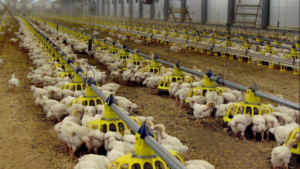
A bird flu epidemic in South Africa that began in May 2023 is sweeping across the nation and has reportedly killed about 2 million chickens. In response to this dire situation, the government is taking decisive steps to mitigate the crisis and protect this crucial sector of the economy, as well as the livelihoods of the impoverished communities that rely on poultry farming and sales for income. South Africa intends to accelerate the deployment of vaccines in response to the widespread occurrence of highly contagious bird flu strains affecting the nation’s poultry industry to prevent a worsening of economic strain and poverty.
The Current Strain
This strain of highly pathogenic avian influenza (HPAI) has been “[moving] at a rapid pace,” as noted by RCL Foods in a report by Reuters. This particular strain of avian influenza, identified as H7N6, is proving to be exceptionally severe and is spreading rapidly throughout South Africa. Compared to the H5N1 virus currently affecting other regions worldwide, H7N6 exhibits substantially higher levels of contagion.
Curiously, this particular strain has not been detected in any other region globally. According to News24, “The [South American Poultry Association] said as of 21 September, the country was dealing with a total of 50 outbreaks of H7 and 10 outbreaks involving the H5 avian influenza strain.”
The avian flu generally does not have a natural tendency to infect humans. However, H5N1 is showing a growing ability to infect mammals across the globe, ranging from sea lions in Argentina to foxes in Finland. This has raised concerns about the potential for easier transmission to humans.
Economic Effects
As one of Africa’s major poultry producers, the effects of the bird flu epidemic in South Africa extend past the nation’s borders. Namibia, a neighboring nation, recently closed imports of live poultry from South Africa. This ban has been set in place for an indefinite amount of time. Within South Africa itself, the poultry industry is bearing the brunt of the crisis. An estimated financial loss of 115 million rand (equivalent to $5.99 million) has been estimated from the lost chickens. Jerry Chifamba from AllAfrica reports that egg and poultry shortages “might linger far into the holiday season as the industry works to gain control of the situation.” These shortages could result in higher prices for these products, impacting the purchasing power of citizens, especially the most impoverished.
The Solution
The bird flu epidemic in South Africa has prompted the government to rely on vaccines to fight back against the virus. The Department of Agriculture, Land Reform and Rural Development (DLARRD) reported that it held discussions with vaccine registration authorities on September 25 and successfully agreed to expedite the vaccine registration process. Flu-Mos-v2 is a modified version of the original Flu-Mos-v1. “Flu-Mos-v1 entered clinical trials in 2021,” wrote CIDRAP. “The newer version targets six strains, including four influenza A strains and two influenza B strains.”
Looking Ahead
This flu vaccine is a crucial tool in the fight against the bird flu outbreak in South Africa. Its effects could expedite the eradication of the virus and help the affected industry recover. The government’s swift actions in registering the vaccine highlight the urgency of the situation and the commitment to restoring this vital economic sector to stability, ultimately preventing an increase in poverty rates.
– Caleb Picone
Photo: Wikimedia

