Two Early Signs of Andy Burnham’s Foreign Aid Policy
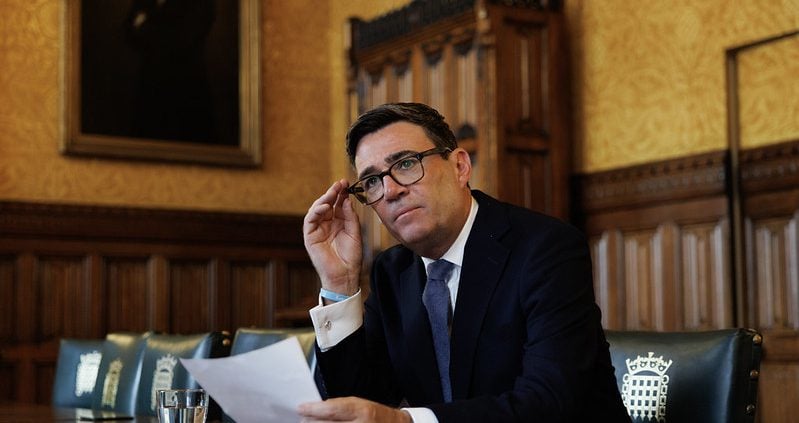 Following the abrupt end to Keir Starmer’s leadership, Andy Burnham took office as the new leader of the Labour Party and the new prime minister of the United Kingdom (UK) on July 20, 2026. Yet following both UK and global cuts to international development aid, Burnham’s foreign aid policy will face increased scrutiny as global poverty worsens.
As a result of continuous cuts to Official Development Aid (ODA) since 2019, along with the broader global picture with the shutdown of the United States Agency for International Development USAID, global poverty is worsening. From 2019 to 2023, UK aid for education fell by 58% and nutrition by 73%, and if the trend of cuts continues, by 2028, child-focused aid could decrease by more than £600 million. However, Burnham has shown early signs of refocusing on aid as a government priority in his initial days of appointing ministers.
Ed Miliband
Burnham appointed Ed Miliband as foreign secretary, making him head of the Foreign, Commonwealth and Development Office (FCDO) and a central figure in Burnham’s foreign aid policy. While his role as foreign secretary is significant regarding global poverty, leading the UK’s response to the 826 million living below $3 a day, Burnham has also given him a greater global role as UK governor to the World Bank. This significant diplomatic role in a leading global partnership fighting poverty signals a prioritization of international development within Miliband’s FCDO. This is a positive sign following the recent cut of almost 40% to the ODA budget in February 2025 under Starmer’s leadership.
On his appointment as UK governor to the World Bank, Miliband affirmed the FCDO’s refocus, stating, “International development is not an add-on to British foreign policy – it is central to it.” He added, “I want to send an unambiguous signal that this government is serious about its global leadership on development and climate.” With a plummet in international aid that could cause a child under five to die every 40 seconds by 2030, Miliband’s new role and his claimed commitment to the cause seem to be an important milestone in the recovery of the UK’s ODA to begin damage limitation to the world’s most vulnerable.
Kirsty McNeill
Within the FCDO, Burnham appointed Scottish Labour member of parliament (MP) for Midlothian, Kirsty McNeill, as minister of development. This role affords her responsibility for Africa, development and humanitarian aid, international finance, climate and energy security. Therefore, her role and appointment are key to Burnham’s foreign aid policy overall. What is particularly significant about McNeill’s appointment is her wealth of experience, implying that she will bring her expert focus on UK development to the job. Most significantly, she was an executive director at Save the Children, a global charity working in 92 countries that has helped 37.8 million children around the world. Her expertise and personal career in the field of overseas aid and poverty reduction imply again that Burnham’s government intends to reprioritize development and does not just view it as a secondary concern within UK foreign policy, suggesting further cuts to the department are unlikely.
Looking Forward
Overall, some of Burnham’s first decisions as prime minister imply that his foreign aid policy will be an important part of his government. While cabinet appointments alone are not enough to guarantee a full commitment from Burnham to recover the ODA budget and fight global poverty, it can still be a sign of new priorities. In a time of growing global need for governments to focus on the lives of those most vulnerable around the world, these appointments of aid-focused politicians are promising of what is to come under the new prime minister.
– Amy Carpenter
Amy is based in Poole, UK and focuses on Good News, Politics for The Borgen Project.
Photo: Flickr
