Powering the Balkans: Albania’s Green Transition
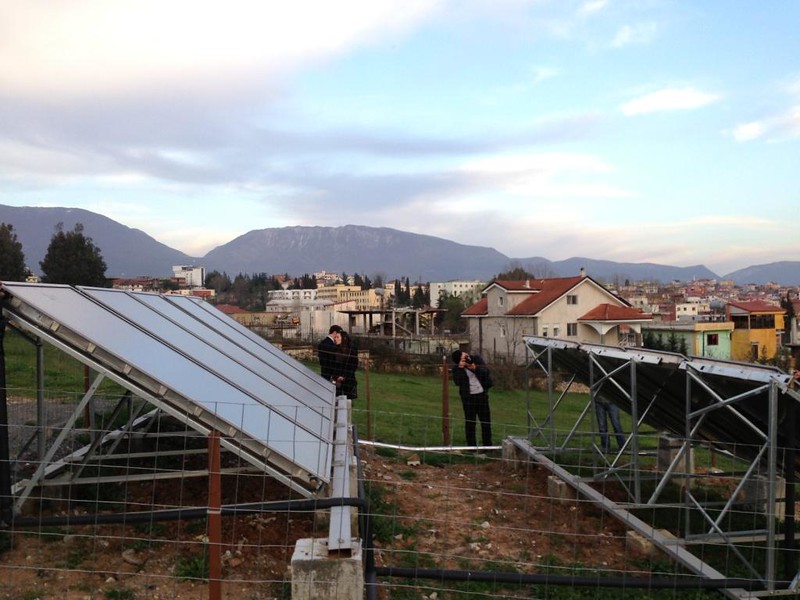 Albania generates 95% of its energy from hydropower, a renewable source obtained from the movement of water. It has been the country’s main renewable source, providing an independent electric system that is non-reliant on imports. The use of hydropower as the main energy source is discouraged by environmental experts and local activists due to the impacts on the population. Water scarcity, soil erosion and uncompensated poverty damage lead to both rural poverty and mass migration.
Additionally, extreme weather patterns have affected weather conditions, causing droughts, which pose a real threat to the stability of these power sources. Therefore, the latest goal has been to promote Albania’s green transition and investments into other renewable sources such as solar and wind. The renewable transition aims to maintain a clean source of energy and avoid the abuse of water.
Solar Initiatives
On the one hand, due to the amount of sun and good weather conditions in Abania, solar energy was a great success. The country distributed 40 licences for a maximum of 466 MW of solar production. Although many of the current projects are at a small scale, in 2020, the launch of the large solar photovoltaic plant (PV) project named Karavasta predicted a promising future.
Voltalia is an international energy producer that focuses on renewable transition projects development and the primary investor in this infrastructure. Karavasta PV aims to provide half of the energy produced to Albania’s public energy company for 15 years, while the other half will be granted to private companies. The initiative’s objective is to produce electricity to supply around 220,000 households with 140 MW. By the end of 2024, the plant had produced 258 GWh, which translates to 25.8 MW, exceeding its initial goal. Consequently, the company decided to buy more land to open other solar power plants in the country.
Wind Power
On the other hand, wind projects have yet to be fully deployed. Albania is moving forward with wind energy, with a 234 MW project planned by Biopower Green Energy and Marseglia Group and 222.5 MW awarded to Guris, Total Eren and Verbund in 2023, according to the 2024 RenewStart report.
In addition, a 100 MW wind power auction is planned for next year, potentially increasing to 150 MW, along with an offshore wind project in development. Unfortunately, wind power projects tend to be slower due to their need for specific locations where not only is wind present, but also a grid source.
Albania’s Green Transition and Labor Market
The “Market Transformation for Solar Energy PV Acceleration” project in Albania is contributing significantly to skill development and employment. Around 250 individuals will receive training on solar energy projects with technical staff from the Energy Efficiency Agency. The project collaborates with the Albania-Japan Chamber of Trade and Industry (AJCCI) and provides studies on the feasibility of local businesses, encouraging private sector engagement. Albania’s objective of reaching 490 MW of solar PV capacity by 2030 could create 1,600 new jobs in fields such as consultancy, installation, maintenance, training and project management.
Fostering renewable energy projects tends to create employment and boost the economy. A small project with a capacity of 50 MW solar project already requires around 230,000 person-days of work, especially in the construction and transport sectors. This enhances local community jobs, with 70% of the workforce coming from the local area for installation and maintenance. Wind projects work similarly; they can create job opportunities for approximately 43% of local workers, according to the 2021 International Renewable Energy Agency (IRENA) report.
Benefits to the Local Community
The investments in PV energy produce clean electricity without releasing harmful greenhouse gases, reducing air pollution and fighting extreme weather patterns. Since PV technology uses small quantities of water, it can be useful in areas with water shortages. Besides, solar panels are silent, lowering noise pollution and improving living conditions. In rural areas, solar panels help the easy access to electricity due to their easy location in any place. Rooftop solar panels give private usage, helping lower bills and improving the economy.
Additionally, wind energy auctions in Albania will foster community benefits. With the production of 222,48 MW of wind capacity, it will strengthen its energy security and reduce dependence on imports of hydropower. Granting the population access to low-cost electricity, which in consequence reduces energy bills.
Albania’s Green Transition: The Future
Albania’s green transition moves a step forward and cooperates with the EU to align with the organization’s environmental standards. The country works to raise environmental awareness, promote circular economy practices and protect its biodiversity. The partnership reflects a growing recognition that the green transition creates jobs, encourages innovation and improves the well-being of citizens. The engagement in building a greener economy may position Albania as an emerging leader in sustainable development in the Western Balkans.
– Sara Arias Saiz
Sara is based in Leipzig, Germany and focuses on Business and New Markets for The Borgen Project.
Photo: Flickr
