4 Facts About the Status of AIDS in Armenia
 Armenia is a landlocked country sharing borders with Turkey, Georgia, Azerbaijan and Iran. Throughout history, this key location rendered Armenia vulnerable to the Roman, Byzantine, Arab, Persian and Ottoman empires. Most recently in 1920, the Soviet Red Army ruled the country until 1991 when Armenia regained its independence. The following year Armenia joined the United Nations and in 2001 it became a member of the Council of Europe. This is a country with a long, rich and complex history infused with religion, national strife, war and genocide.
Like every other country in the world, present-day Armenia battles a deadly condition: HIV/AIDS. HIV attacks the body’s immune system, rendering it vulnerable to other infections and even various cancers. Globally in 2017, 1.8 million people were newly infected with human immunodeficiency virus (HIV). If untreated HIV results in acquired immunodeficiency syndrome (AIDS). In 2017 AIDS took the lives of 940,000 people worldwide.
4 Facts About the Status of AIDS in Armenia
-
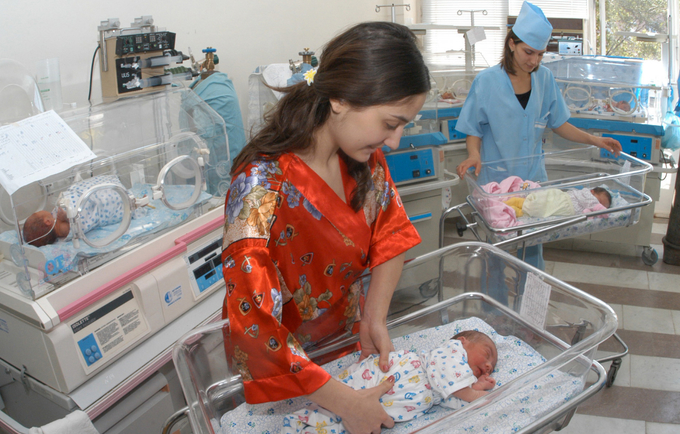
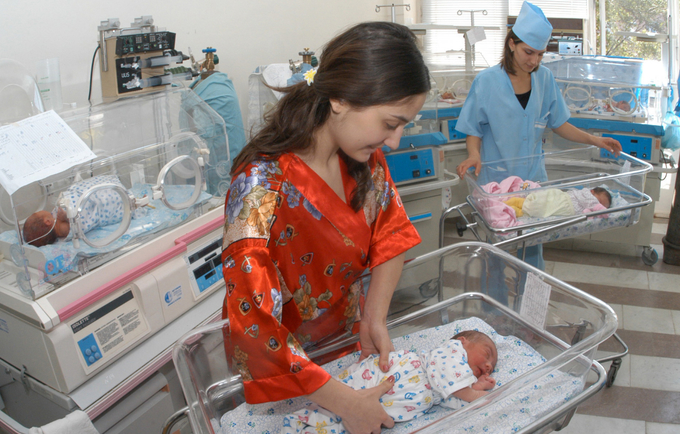
In 2016, the World Health Organization recognized Armenia as one out of four countries that eliminated mother-to-child transmissions of HIV. Additionally, since 2010, new HIV infections in Armenia decreased by 31 percent.
-
Although new cases of HIV declined within the last decade, AIDS-related deaths increased by 26 percent. Although there isn’t a known cure for HIV or AIDS, antiretroviral therapy (ART) can suppress the virus and prevent its spread to others. However, in 2016 only slightly more than one-third of Armenians with HIV sought out ART.
-
There are ways to continue the fight against AIDS in Armenia. In 2017 there were an estimated 3,400 Armenians living with HIV or AIDS. One of the key issues surrounding AIDS in Armenia is that nearly half of Armenians with the virus don’t know that they have it. Preventative measures such as comprehensive and inclusive sex education, increased use of protection during sex and regular HIV testing are key in lowering the number of AIDS-related deaths and fighting AIDS in Armenia.
-
Key populations most affected by AIDS are sex workers, LGBTQ+ individuals, people who inject drugs, prisoners and outbound migrant workers. These groups oftentimes face social stigma and discrimination which render them more vulnerable to contracting HIV. They also tend to have reduced access to HIV testing and ART.
For the last three years, Armenia has upheld its status as having ended mother-to-infant transmission of HIV. This is a massive success for Armenians and the fight against the spread of HIV and AIDS worldwide. However, there are many more steps that Armenia and other countries can take to prevent the spread of HIV and AIDS and lower the number of AIDS-related deaths. Comprehensive sex education, access to condoms, HIV-testing and antiretroviral therapy are key in fighting this deadly condition. Additionally, combating stigma and reducing discrimination against vulnerable populations will greatly impact the prevalence of HIV and AIDS worldwide.
– Keeley Griego
Photo: UNFPA