AI Disease Detection in Pakistan
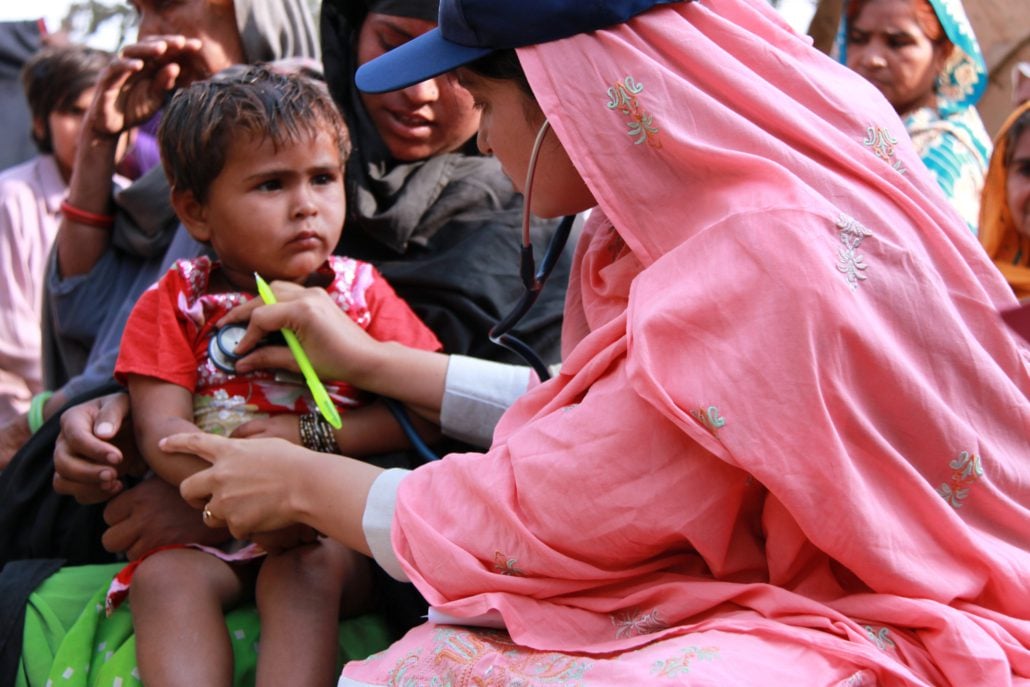
Early disease detection can help patients receive treatment before their conditions become more serious. However, timely diagnosis remains a challenge for many people in Pakistan, particularly those living in rural and underserved communities. In a 2020 account, the World Health Organization reported that the country faces healthcare challenges including limited human resources, inadequate infrastructure and difficulties accessing quality primary care.
Artificial Intelligence’s Potential
Artificial intelligence offers a potential way to address some of these barriers. AI tools can analyze medical images, identify patterns associated with disease and help healthcare professionals determine which patients require further testing. AI disease detection in Pakistan could support earlier screening, particularly in communities where access to specialist services is limited.
The WHO recognizes that AI can support disease screening, clinical care and public health surveillance. However, these technologies must be implemented responsibly and integrated into existing healthcare services.
Leveraging AI for Early Tuberculosis Detection
Tuberculosis is one area where AI-assisted screening has demonstrated practical potential in Pakistan. Delayed diagnosis can allow the disease to spread, making early identification important for protecting patients and their communities.
AI-powered computer-aided detection tools analyze digital chest X-rays and flag abnormalities that may indicate TB. Healthcare professionals can then prioritize patients for further examination and confirmatory testing.
According to the WHO’s Scaling Innovations in Public Health Systems: Guidance and Toolkit, Pakistan deployed mobile chest X-ray units equipped with computer-aided detection software with support from the Global Fund and the National TB Programme. Between 2017 and 2021, these units screened more than 1.2 million people across more than 11,000 mobile camps and detected more than 7,600 TB cases.
This example demonstrates how AI-assisted screening can extend diagnostic services beyond conventional healthcare facilities. Mobile units can bring screening closer to communities where traveling to hospitals or specialist clinics may be difficult.
What Research in Karachi Reveals
A 2020 prospective study published in The Lancet Digital Health evaluated two AI-based chest X-ray analysis tools among symptomatic adults at Indus Hospital in Karachi. Researchers assessed whether the software could identify people who might have pulmonary TB, comparing their results with laboratory testing.
The study included 2,198 participants, almost all HIV-negative, of whom 272 had laboratory-confirmed pulmonary TB. Both tools met the study’s non-inferiority criteria against WHO-recommended minimum sensitivity and specificity. However, performance varied between groups. Sensitivity was lower for people with smear-negative TB with both tools and for women using one of the systems.
These findings suggest that AI-assisted chest X-ray analysis can support TB screening in Pakistan. However, the study evaluated diagnostic accuracy, not whether AI directly reduced diagnosis times or healthcare workers’ workloads. Its findings also show why performance must be assessed across different patient groups.
Addressing Barriers to Responsible AI Use
AI disease detection in Pakistan could help healthcare teams identify patients who need further investigation, particularly in underserved communities. However, expanding these tools requires reliable equipment, trained healthcare workers, appropriate infrastructure and access to confirmatory testing.
The WHO cautions that AI systems must be designed and evaluated with attention to fairness, safety, transparency and patient privacy. Tools developed using data from one population may not perform equally well in another. Without local validation, they could produce inaccurate results or reinforce existing inequalities.
AI must therefore support, rather than replace, healthcare professionals. Doctors and trained health workers should remain involved in interpreting results and determining the next steps. Patients must also have access to appropriate treatment after screening. Identifying a possible disease is only the first step if diagnostic services and treatment remain out of reach.
A Path Toward Earlier Diagnosis
Pakistan’s experience with AI-assisted TB screening demonstrates how technology can help identify potential cases and extend screening services to underserved populations. Further investment in carefully evaluated AI tools could strengthen early disease detection and support healthcare professionals in identifying patients who need timely attention.
However, technology alone cannot resolve Pakistan’s healthcare challenges. AI disease detection in Pakistan will depend on responsible implementation, accurate screening tools and reliable pathways from initial assessment to confirmed diagnosis and treatment. With these foundations in place, AI could become a valuable tool for improving access to early healthcare.
– Afia Atif
Afia is based in Chenab Nagar, Pakistan and focuses on Technology and Solutions, and Global Health for The Borgen Project.
Photo: Flickr
