Everything You Need To Know About Poverty in Burundi
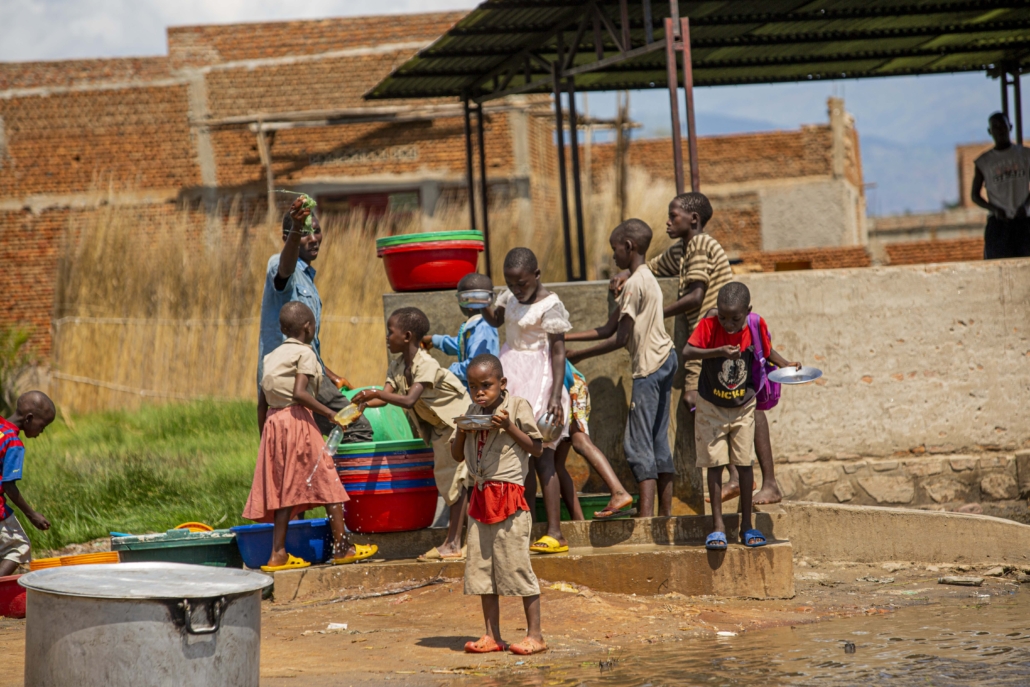 Landlocked in Central Africa with a population of around 14 million, Burundi has ranked among the poorest countries in the world for decades. Nearly 80% of the population lives in multidimensional poverty, while another 15% remains vulnerable to falling into poverty. Poverty in Burundi stems from several interconnected factors. This article explains everything you need to know about poverty in Burundi, including its causes and the efforts underway to address it.
Agricultural Dependency
Agriculture dominates Burundi’s economy, most of the country relies largely on subsistence agriculture, but Burundi has limited land that can support this sector. Almost 90% of the population depends on agriculture for their livelihood, which puts enormous pressure on the limited land and natural resources. As a result, food insecurity in Burundi stands at roughly double the average for Sub-Saharan Africa.
The overall agricultural production in Burundi is lower than the country’s population growth. This imbalance limits food supply and income opportunities for rural families. Consequently, poverty in Burundi affects a large share of the youth population, especially in rural communities.
Farmers often struggle to produce enough crops to feed their families or generate a stable income. When agricultural output fails to meet the demand, food shortages follow. These conditions in Burundi contribute to one of the highest malnutrition rates in the world, particularly among children under the age of 5.
Understanding this heavy reliance on agriculture forms a key part of everything you need to know about poverty in Burundi because the country’s economic stability depends heavily on the success of its agricultural sector.
Changing Weather Patterns
Environmental challenges also play a major role in deepening poverty in Burundi. Changing weather patterns have intensified natural disasters and disrupted farming conditions across Burundi. Frequent flooding, unpredictable rainfall and land degradation reduce crop yields and damage farmland. These environmental shocks weaken food production and limit economic progress. Because so many Burundians rely on agriculture for survival, climate related disruptions quickly translate into rising poverty levels.
Burundi also lacks sufficient financial resources, infrastructure and technology to adapt to environmental pressures effectively. Limited irrigation systems, poor storage facilities and weak transportation networks make it difficult for farmers to respond to changing climate conditions. As a result, changing weather continues to intensify poverty in Burundi and slow economic development.
Political Instability and Conflict
Political instability has also shaped Burundi’s economic challenges. After gaining independence in 1962, the country has experienced long periods of political instability, conflict and a civil war that lasted more than a decade.
These conflicts damaged infrastructure, disrupted economic activity and forced millions of people to leave their homes. Businesses closed, agricultural production declined and national development dramatically slowed, contributing to the effects of poverty in Burundi.
Today, the economy still struggles to recover fully from these disruptions. Many families live in extreme poverty as a result and humanitarian aid remains essential for meeting basic needs. Political insecurity has therefore increased the country’s reliance on international aid and development support.
Examining these historical and political factors provides further insight into everything you need to know about poverty in Burundi. Long term instability continues to shape the country’s development.
Potential for Change
Despite these challenges, Burundi has taken steps to improve its economy and reduce poverty. The government has prioritized job creation for the rapidly growing youth population and invested in infrastructure that supports agriculture and rural development.
International organizations also support these efforts. The International Fund for Agricultural Development (IFAD) has worked in Burundi for decades to strengthen rural livelihoods and boost agricultural productivity. They have implemented a number of social development strategies that have the potential to alleviate the effects of poverty in Burundi. For example, the IFAD has funded irrigation projects that help farmers manage unpredictable rainfall and increase crop yields. The organization has also supported farmer training programs that teach improved farming techniques, soil management and crop diversification.
Global development programs have also focused on improving storage facilities, building rural roads and expanding access to financial services. These projects make it easier for farmers to transport crops, reduce food waste and invest in their businesses.
According to the Global Hunger Index, Burundi still faces serious hunger challenges, but the country also holds significant agricultural potential. Continued investment in farming technology, infrastructure and rural communities could help Burundi unlock that potential and reduce poverty.
Looking Ahead
To understand poverty in Burundi, it is important to recognize that progress remains possible. With stronger agricultural systems, improved infrastructure and sustained international support, Burundi can reduce poverty and create better opportunities for its people in the years ahead.
– Leah Denning
Leah is based in Bristol, UK and focuses on Good News and Politics for The Borgen Project.
Photo: Pixabay
