Roma Gypsies are being Persecuted
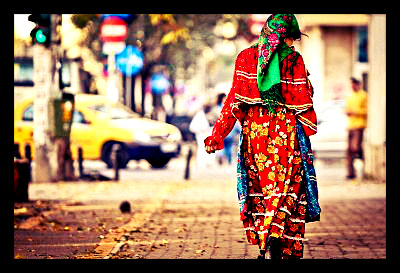
The Roma people—also vernacularly referred to as “gypsies”—have become a widely discussed topic in the European Union over the past few years. Despite being Europe’s largest, stateless ethnic minority (more than 10 million people), they are still mired in poverty and bereft of opportunity and political representation all across the continent.
With Romania and Bulgaria, two member states containing a considerably large Roma population, becoming party of the Schengen Area this year, some Western European politicians are deploying xenophobic rhetoric to their own advantages. Much of this xenophobia is targeting Romanian Roma immigrants.
Comprising somewhere between 5-10% of Romania’s total population, an estimated 80% of Romanian Roma population lives in poverty. With the rise of the far-right across Europe, the community has fallen target to racial discrimination and violent abuses; an extremist organization in Romania even suggested that Roma women should be sterilized.
The socio-economic tribulations that grip the Romanian Roma community stem from centuries of segregation and prejudice. Furthermore, the widespread prejudice to view them as unwilling to work and as free riders also contribute to the tension between the majority society and the Roma community.
In many parts of Europe—Western and Eastern alike—Roma people live in segregated communities with inadequate access to water and electricity. They are also at constant risk of forced eviction and hostility from surrounding majority population. The latter of which often manifests itself violently. In many cases, they are relocated to suburban landfills with no access to running water or electricity. With sometimes more than 13 people living in a single room, their hygienic wellbeing is greatly at risk. To make matters worse, being placed in remote locations also deprive the children of the opportunity to attend school since often times they are outside of school bus routes.
In 2012, the European Union Agency for Fundamental Rights conducted a survey whose findings were truly shocking for a continent that boasts some of the highest human development indexes in the world. In Romania alone, nearly a quarter of Roma children aged 7 to 15 do not attend school and nearly a third of respondents aged 20 to 64 are unemployed, in contrast to the average of 11% among the country’s non-roma population.
Since Romania has at last joined the Schengen Area and its people have finally received full rights as citizens of the EU, many politicians in more prosperous member states such as the UK have found the anti-immigrant discourse to be a convenient tool in winning over public opinion. Unfortunately, unless the EU soon finds measures to solve the millennium-old prejudice towards the community, the Roma will inevitably be exploited as the political bête noire within the politics of inter-Schengen migration.
– Peewara Sapsuwan
Sources: Amnesty International, Express, European Union Agency for Fundamental Rights, Romania-Insider, SPIEGEL Online International
Photo: March Inbetween
