Poverty Eradication in Mauritania: Smarter Social Protection
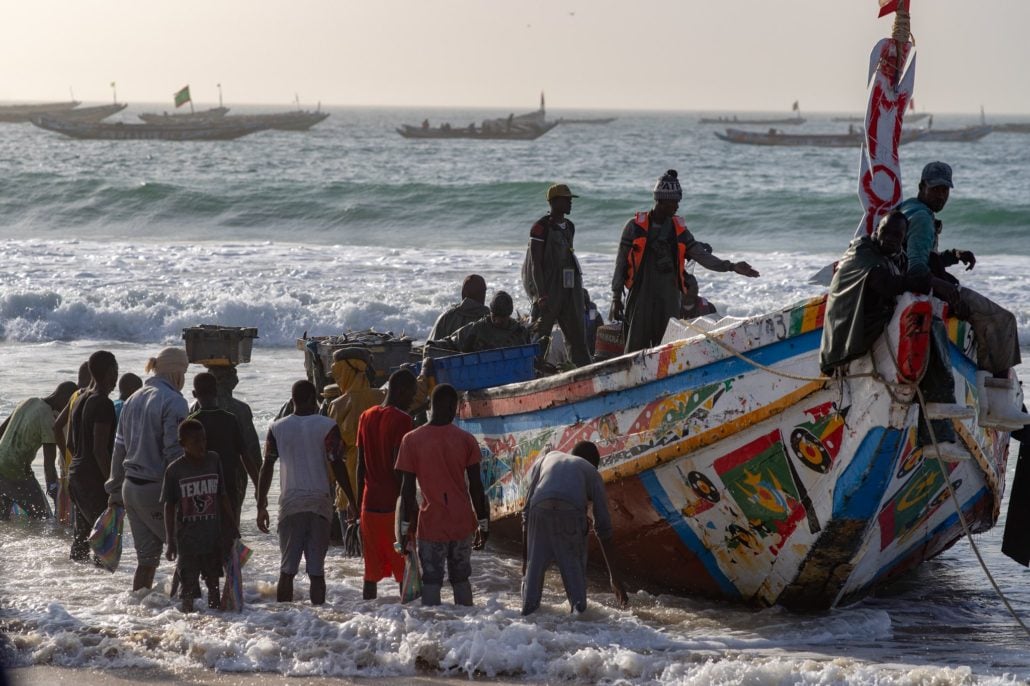 Droughts, flooding and rising food prices continue to threaten livelihoods in Mauritania. In 2022, an estimated 875,000 people experienced severe food insecurity, while flooding affected approximately 40,000 people. These challenges disproportionately affect the country’s poorest households, particularly those dependent on agriculture and livestock. In 2025, the moderate poverty rate in Mauritania was 25.7% and the extreme poverty rate was 11.2%.
However, innovations in poverty eradication in Mauritania are transforming how the country supports its most vulnerable citizens. Through the World Bank-supported Sahel Adaptive Social Protection Program (SASPP), the Mauritanian government is developing a coordinated system that identifies households experiencing poverty, provides financial assistance and responds to emergencies before they push more families into hardship.
Identifying the Most Vulnerable Households
One of the most significant developments is Mauritania’s National Social Registry. Established in 2015, the registry collects information about household living conditions to help government agencies and humanitarian organizations identify those most in need of assistance.
Supported by the SASPP, the registry has expanded considerably. In November 2024, it included more than 305,000 vulnerable households. By March 2026, the World Bank reported that the database contained detailed information on 353,272 households, following the completion of a nationwide update in September 2025.
Rather than relying solely on local authorities to identify vulnerable families, survey teams use a 25-question household questionnaire and a statistical scoring system to assess living conditions. Rural communities can then review the results to help identify overlooked households.
According to an August 2026 World Bank study, this revised approach reduced the estimated registration cost per household from $25 to $17, allowing the government to identify more vulnerable families while using fewer resources.
Providing Financial Security Through Tekavoul
Beyond identifying households experiencing poverty, the SASPP supports Mauritania’s national cash transfer program, Tekavoul. Introduced in 2015, Tekavoul provides regular financial assistance to households living in extreme poverty. The program also offers social and economic support intended to improve family well-being and strengthen opportunities for financial independence.
By March 2026, Tekavoul covered 133,510 extremely poor households. Of these, 56,581 received support financed through the World Bank-backed Social Safety Net System Project II, while Mauritania’s government budget financed a further 76,929.
Responding to Environmental and Economic Shocks
Another central innovation is Mauritania’s ability to expand assistance during emergencies. Through programs such as Tekavoul Choc and Elmaouna, the government can provide additional financial support to households experiencing food insecurity, droughts and other economic or environmental shocks.
During the 2025 lean season, the government’s emergency response programs covered 15,079 households. Tekavoul Choc supported 10,494 households, while Elmaouna reached another 4,585.
The World Food Programme (WFP) has also helped strengthen Mauritania’s emergency response capabilities. In 2023, the WFP partnered with the government to pilot an extension of Elmaouna into Nouakchott, where rising food prices had placed additional pressure on low-income families.
This coordinated approach allows existing social protection systems to support vulnerable households during crises, rather than depending entirely on separate emergency relief operations.
The Future of Poverty Eradication in Mauritania
The SASPP’s next phase, covering 2025 to 2030, aims to strengthen national social protection systems across the Sahel, with greater emphasis on economic opportunities, financial independence and long-term resilience.
Innovations in poverty eradication in Mauritania demonstrate how better information, financial assistance and coordinated emergency responses can help protect vulnerable households. While substantial challenges remain, the country’s expanding social protection system offers a foundation for reducing poverty and preventing future economic shocks.
– Sam Mumford
Sam Mumford is based in Oxford and focuses on Good News and Global Health for The Borgen Project.
Photo: Flickr
