Economic Reforms Aiming to Navigate Cuba’s Current Crisis
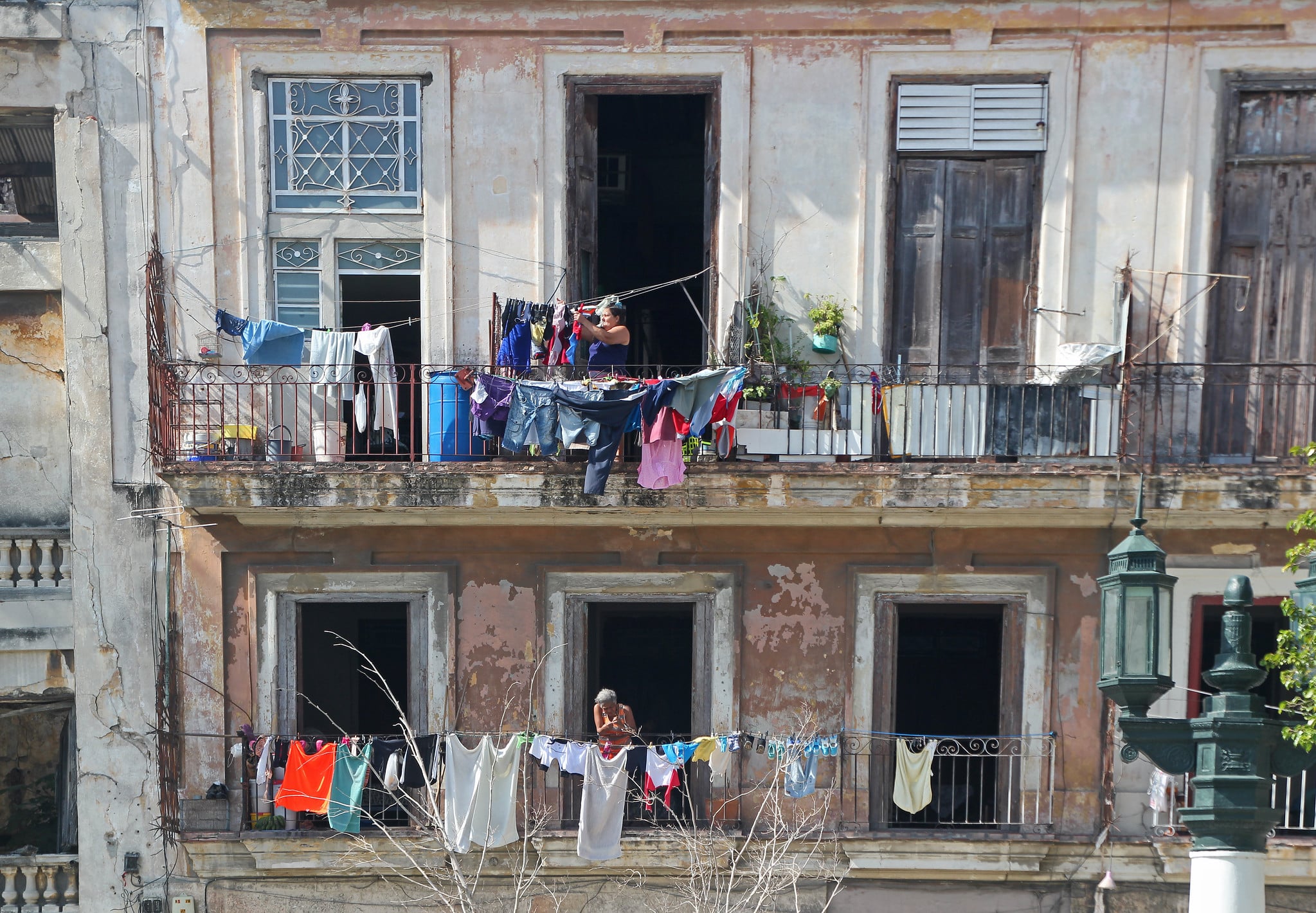
Recent U.S.-Cuban tensions have exacerbated pre-existing crises affecting essential areas of Cuba’s economy. As the Trump administration increases pressure on the island, the Cuban government has introduced reforms intended to restructure national industries and expand private-sector participation. Cuban citizens face limited access to essential services.
Economic Reforms
The economic reforms aiming to navigate Cuba’s current crisis comprise 176 proposals divided into 23 pillars, addressing sectors including energy, transportation, finance and social policy. Although these measures present opportunities for economic recovery, their effectiveness will depend on implementation and the ability to overcome domestic and external obstacles.
Changes to Private-Business Rules
Economic reforms aiming to navigate Cuba’s current crisis are accompanied by legal and systemic changes to the nation’s public and private sector industries. Micro, small and medium-sized enterprises (Mipymes) have been allowed to exceed the previous 100-employee limit, assisting the expansion and growth of businesses, according to reporting on the 2026 reform package.
Decree 160 of 2026 relaxed restrictions on some activities and differentiated the conditions applying to different types of economic actors. The decree set out to establish four categories of restriction on these activities: absolute prohibition, state-reserved, occupationally conditional and permission under licensure.
Regulations surrounding importing commercial goods, submitting formal tenders, establishing foreign partnerships and engaging in foreign investment have been relaxed; and as a result, previously restricted economic activities can be legally undertaken by Mipymes under specific conditions. Moreover, pharmaceutical services, elderly residences, moped and electric car companies and energy industries, both renewable and gas-based, are among the activities for which restrictions have been relaxed, subject to the relevant conditions.
Foreign Investment Opportunities
Cuba’s reforms seek to attract investment from nationals living abroad, particularly those residing in the United States. Greater opportunities for diaspora participation could provide capital, expertise and international commercial connections. In an interview published by NBC News on March 16, 2026, Deputy Prime Minister and Minister of Foreign Trade and Investment Óscar Pérez-Oliva Fraga emphasized the importance of international partnerships in sustaining Cuba’s economic growth. He expressed openness to a “fluid commercial relationship with U.S. companies,” identifying infrastructure as a potential attractor for foreign investment.
The government has presented the Portfolio of Opportunities for Foreign Investment featuring 426 national opportunities valued at more than $30 billion across industries, including oil, tourism, sugar, food production, biopharmaceuticals, manufacturing and mining. These initiatives aim to attract capital, promote technological development and expand production. The ministry has yet to publish a more recent metric describing incoming investment following the release of the Portfolio of Opportunities.
Foreign Exchange and Banking
In September 2026, reporting described the opening of ADT 64, a privately operated currency exchange house in Santa Clara. The main shareholder claims the state has no stake in its ownership and clarified that exchange prices are not set by the informal market. A Sept. 18 report said ADT 64 sold U.S. dollars for 730 Cuban pesos and bought them for 710 pesos. These were dated reported rates, not current exchange quotations. According to its owner, the exchange rates were calculated as a percentage above the BCC’s official rate.
Separately, the Central Bank of Cuba announced plans to license banks with private and foreign capital and relax rules on nonstate entities’ foreign-currency holdings. The BCC anticipates these measures will facilitate access to cash, restore credit and ease the process of granting it. As the Cuban peso deteriorates, the economic reforms aiming to navigate Cuba’s current crisis help to recognize and align the system with the “situation in the economy.”
Social Policy and Its Limits
The Cuban government once subsidized public services for citizens, but sweeping tensions and government inefficiency have dwindled financial contributions, diminishing free or low-cost education, medical care and transportation. CEDA’s June 2026 analysis describes proposals such as tax breaks for contributions to social programs and for hiring people with disabilities. That being said, the overall prioritization of social welfare is in question. Tamarys Bahamonde, a writer for CEDA, has expressed concerns about the lack of political changes accompanying the announced reforms. Although social policy forms part of the transition, she claims that social welfare has not been prioritized sufficiently for its objectives to extend beyond stated goals.
The Aim of Strengthening Domestic Production
The economic reforms aiming to navigate Cuba’s current crisis seek to increase domestic production of food, goods and services, reduce unproductive costs, incorporate technological innovation and decrease dependence on imported finished products. Strengthening local production could improve food availability, support domestic industries and reduce vulnerability to international trade disruptions. However, producers require reliable access to financing, equipment, raw materials and infrastructure. Without addressing these barriers, reducing import dependence may remain difficult to achieve.
Conclusion
Cuba’s economic challenges, including sanctions and trade disruptions, have contributed to food insecurity, migration and electricity shortages. Its reforms present opportunities to diversify the economy, attract foreign investment and strengthen domestic production while raising questions about public-sector restructuring and sovereignty. Ultimately, the success of the economic reforms aiming to navigate Cuba’s current crisis will depend on whether economic modernization translates into tangible improvements in living conditions, access to essential services and economic opportunities without compromising Cuba’s sovereignty.
– Ghassan-Elias Zaitoun
Ghassan-Elias is based in Guelph, Ontario, Canada and focuses on Global Health and Politics for The Borgen Project.
Photo: Flickr
