Aki Ra: From Child Soldier to Mine Clearance in Cambodia
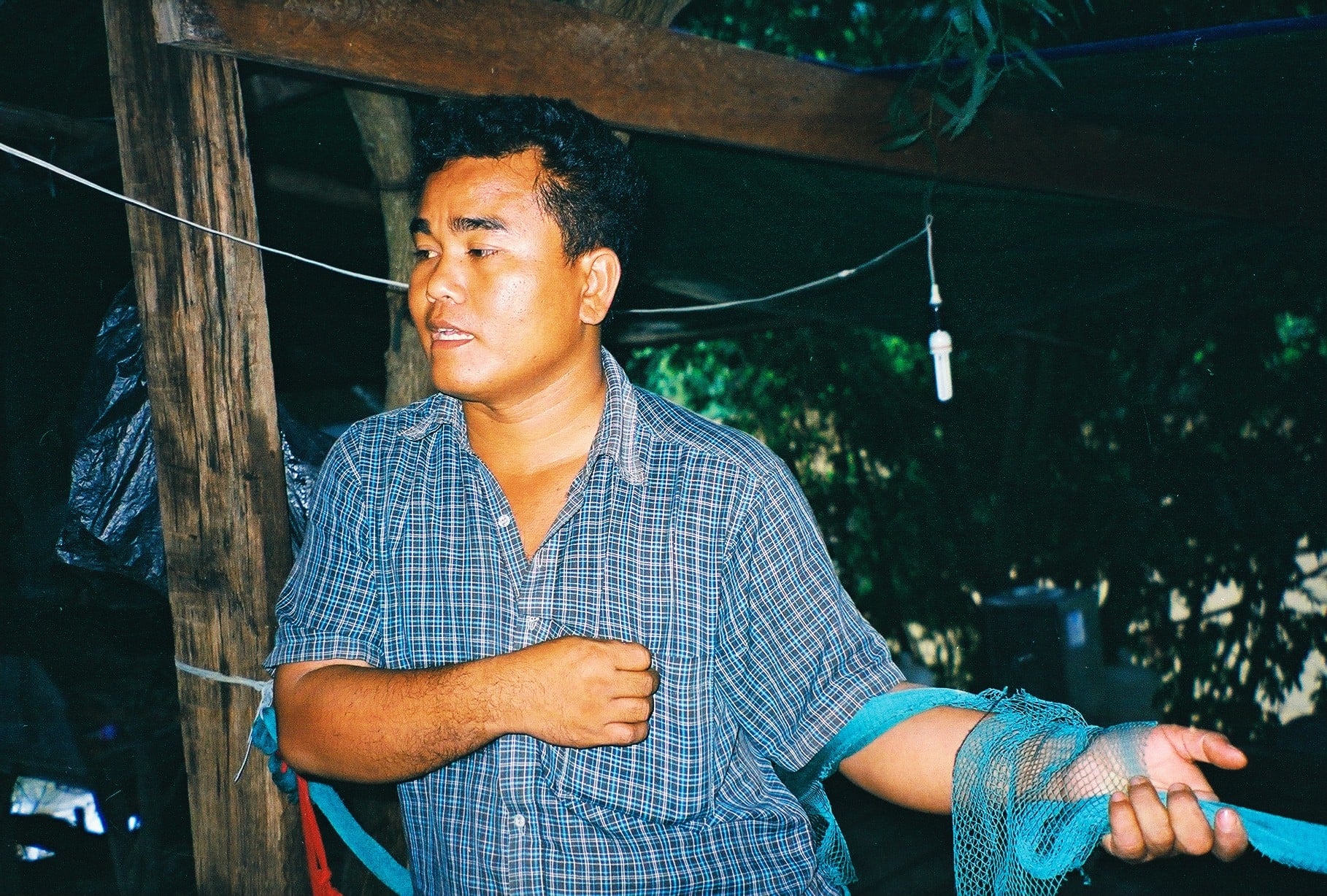
One day, Aki Ra’s superior ordered him to lay explosives across a field about 100 meters long. While the other soldiers laid their mines, Aki Ra buried at least 50 devices in a single pit. He made sure they were secure, then decided he would never lay another mine. “Never again in my life,” he told himself, according to Humanity & Inclusion.
Aki Ra had been forced to become a child soldier during Cambodia’s decades of conflict. Today, his story is connected to mine clearance in Cambodia and efforts to help communities reclaim land for farming and other livelihoods. His journey shows how people affected by conflict can contribute to rebuilding the communities it left behind.
A Childhood Taken by War
Aki Ra does not know his exact age. Humanity & Inclusion reports that he was recruited into armed groups when he was around five or six years old. The Khmer Rouge ruled Cambodia from 1975 to 1979, but its armed struggle continued after its overthrow.
Aki Ra continued laying mines until the Khmer Rouge had completely disbanded, according to Humanity & Inclusion. After serving in the Cambodian national army, he joined a United Nations mine-clearance program. His path from laying explosives to removing them began in a country where the end of a regime did not mean the end of the danger it had left behind.
His experience reflects a wider historical problem. In its 1998 briefing on child soldiers in Cambodia, the Cambodian League for the Promotion and Defense of Human Rights documented the use of children in armed groups, including under the Khmer Rouge. This report provides historical evidence of child recruitment; it should not be treated as evidence that the same patterns continue today.
Mine Clearance in Cambodia: Turning Mines into a Mission
Aki Ra later established the Cambodia Landmine Museum, displaying defused explosives to help visitors understand the wars that had shaped his life and country. The museum also describes his efforts to support children who had been orphaned or abandoned.
He later founded Cambodian Self-Help Demining (CSHD). Humanity & Inclusion reported in 2023 that the teams associated with CSHD had cleared more than 9.5 million square meters of land. Humanity & Inclusion provided operational support and trained deminers to use more effective technology.
The work remains difficult because mines can be scattered unpredictably. Leonard Kaminski, Humanity & Inclusion’s mine-action specialist in Cambodia, explained that mines laid haphazardly by soldiers can be particularly challenging to locate.
Clearing land is not simply about removing explosives. In Toul Kros village in Siem Reap province, Humanity & Inclusion described how clearing a half-hectare area allowed villagers to reclaim land for productive use, including rice cultivation or cashew orchards.
Why Mine Clearance Matters for Poverty
For rural communities, safe land can mean more than physical security. It can also mean a chance to grow food, earn an income and improve household living standards.
Cambodia has made substantial progress against poverty, but agricultural households have historically faced particular disadvantages. The World Bank’s Cambodia Systematic Country Diagnostic reports that poverty affected 57% of households headed by someone working in agriculture in 2007. Between 2007 and 2014, poverty among this group fell by 44.5 percentage points.
This historical improvement demonstrates progress, while also underlining the importance of protecting the livelihoods on which rural families depend. Landmines can prevent communities from using farmland even after fighting ends. Removing them helps restore access to land and reduces the danger faced by farmers and their families. Clearance alone cannot eliminate rural poverty, but it can remove one barrier to earning a living.
A National Effort to Clear Contaminated Land
Aki Ra’s work forms part of a much wider effort. On Sept. 2, 2026, Cambodia and its partners announced the National Mine Action Policy 2026–2035, which supports the goal of a country free from the impact of explosive ordnance.
According to the United Nations Development Programme, more than 430 square kilometers of contaminated land had been cleared and released, benefiting more than 1.3 million people, by June 2026. These figures are reported in the context of the United Nations Development Programme’s mine-action support and should not be presented as Cambodia’s total national clearance achievements.
The United Nations Development Programme’s Clearing for Results program page provides further context: since 2006, the program has contributed to clearing and releasing 427 square kilometers, representing 13.5% of Cambodia’s sector-wide achievements.
The figures show the scale of the work still required. For communities living near contaminated land, progress is measured not only in square kilometers cleared, but also in whether people can safely return to their fields and use the land around their homes. Aki Ra knows what it means to be ordered to lay mines. His work in mine clearance in Cambodia has helped make land safer for others. The field where he once chose not to scatter explosives captures the contrast at the heart of his story: in a country still working to overcome the legacy of war, removing a mine can also mean giving a community more room to rebuild.
– Alaina Aneja
Alaina is based in Edinburgh, Scotland and focuses on Good News for The Borgen Project.
Photo: Wikimedia Commons

