Disease Impacting the Congo: Treatment and Prevention
The Republic of the Congo remains susceptible to disease where communities lack safe water, sanitation and accessible health care. However, efforts to improve treatment and prevention have provided some relief. Examining disease impacting the Congo also means distinguishing the country from its neighbor, the Democratic Republic of the Congo, and separating evidence from different reporting periods.
Disease in the Republic of the Congo
Tuberculosis is one disease impacting the Congo. According to the United Nations Development Programme, an estimated 19,000 people had TB in the Republic of the Congo in 2024. The Ministry of Health and Population works with UNDP, the Global Fund and other partners to strengthen health services and eliminate TB nationally.
Cholera also remains a concern. An outbreak began in July 2025. UNICEF’s Sept. 15, 2025, update reported 644 suspected cases recorded through Sept. 10, averaging 9.4 suspected cases a day. These figures describe that reporting period, rather than the country’s situation today.
Malaria poses another challenge. The World Health Organization’s 2023 country profile estimated 1.3 million malaria cases in 2021. This is a case estimate for that year, rather than a count of people currently ill.
The Effects of Poverty on Managing Disease
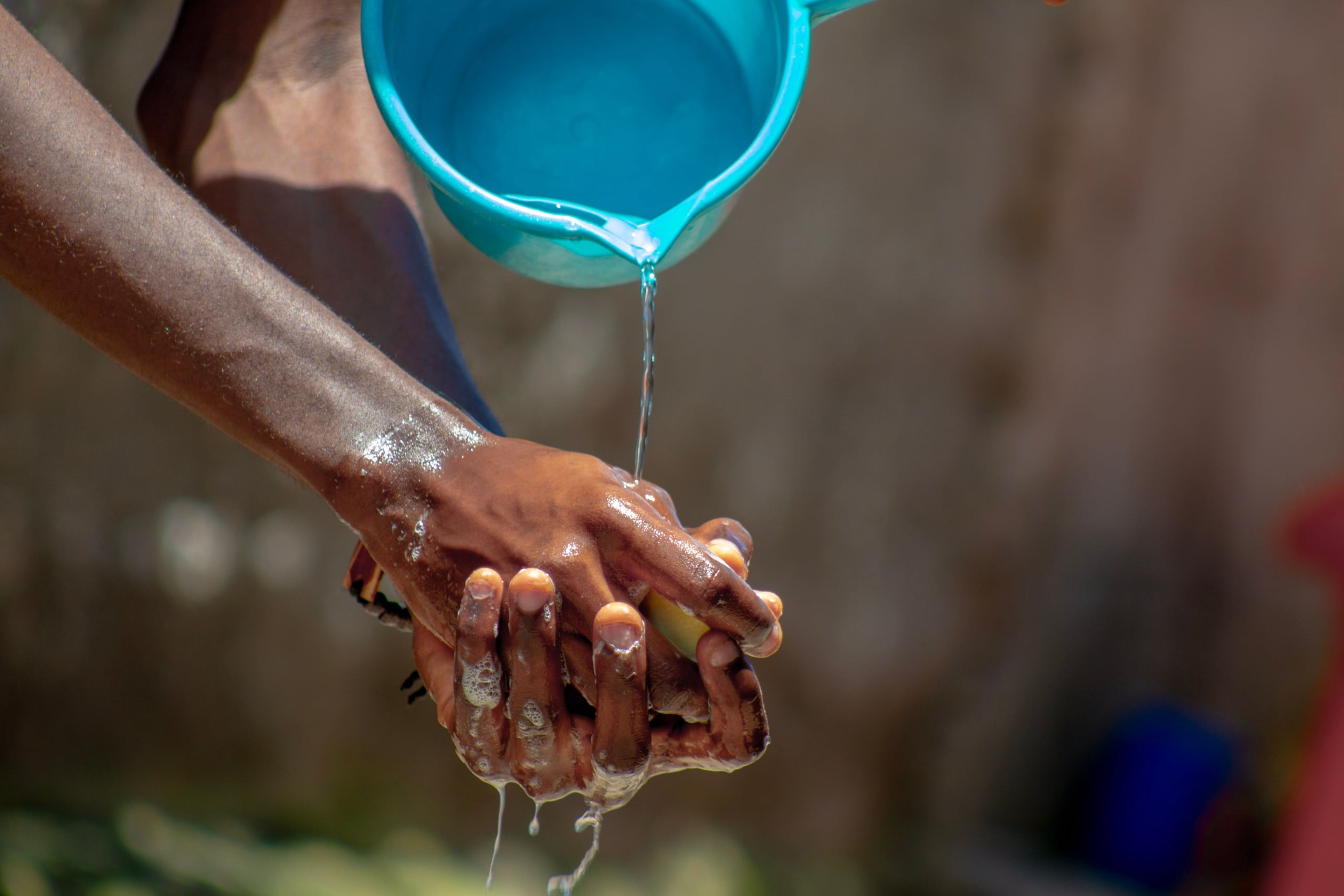
A lack of access to safe water allows contaminated water to spread cholera. Water and sanitation improvements are therefore an important part of prevention, alongside treatment for people who become ill. UNICEF’s response has included disinfecting water points, improving boreholes and sharing information about hygiene. These practical measures address barriers that individual households cannot necessarily overcome alone.
Access to treatment also depends on more than the price of medicine. UNDP describes how people with TB can face long journeys to clinics even when treatment itself is free. Travel costs and distances can make it difficult to continue care. Improving local services and transporting samples to laboratories can help connect patients with diagnosis and treatment.
What is Being Done?
UNICEF’s March 13, 2026, cholera update reported improved drinking-water access for 31,603 people. Its activities included disinfecting 152 water points and rehabilitating or constructing 14 boreholes, four of which were climate-resilient. Community volunteers also helped share information about sanitation and hygiene. These activities combine infrastructure improvements with practical prevention support.
However, the same update recorded a resurgence after nine weeks without suspected or confirmed cholera cases. By March 11, 196 suspected cases had been reported since Feb. 13, mainly in Mossaka and Mbamou Island districts. That shorter reporting period cannot be directly compared with the cumulative September 2025 total to establish a sustained decline.
During the 2025 response, WHO provided seven metric tons of medicines and cholera kits and supported treatment centers in Mbamou, Mossaka and Talangaï. It also supported training for health workers and the disinfection of wells and health facilities. These are specific response activities, rather than evidence that transmission has permanently ended.
In the battle against TB, UNDP reports that cases fell by 13% and deaths by nearly a third between 2015 and 2024. Improved diagnostic services and free treatment offer support for patients, although travel barriers remain. The distinction matters: the larger reduction refers to deaths, not a second measure of falling case numbers.
Looking Ahead
Addressing disease impacting the Congo requires continued attention to safe water, diagnosis and accessible care. The work of national health services and their partners shows how prevention and treatment can support affected communities, while the cholera resurgence demonstrates why those efforts need to continue.
– Alayna Williams
Alayna is based in Springfield, IL, USA and focuses on Good News and Global Health for The Borgen Project.
Photo: Pexels
