3 Swiss Organizations Helping to Fight Cardiovascular Disease
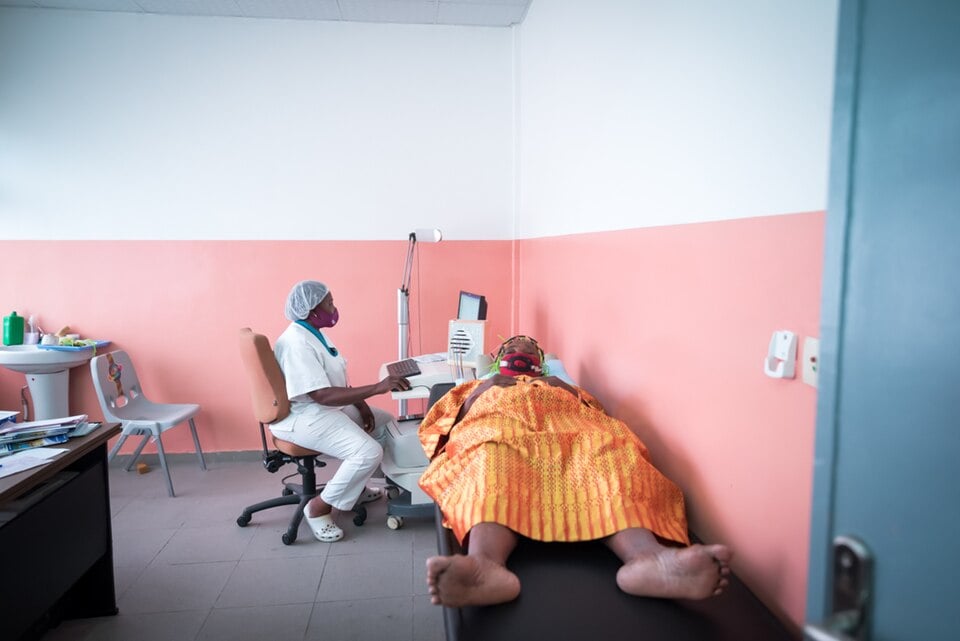
Cardiovascular disease (CVD) is the primary cause of death internationally. In 2022, CVD caused 32% of global deaths, many of which occurred in less economically developed countries.
Organizations Helping to Fight Cardiovascular Disease
This article focuses on affluent countries such as Switzerland, which has organizations based there that fund aid to less economically developed countries. Examples include SolidarMed, the EurAsia Heart Foundation and the World Heart Federation.
The target is to complete Sustainable Development Goal 3.4, which aims to “by 2030, reduce by one third premature mortality from non-communicable diseases through prevention and treatment and promote mental health and well-being.” Preventing these deaths is important as they reduce the workforce, are the leading cause of death and lead to substantial economic costs.
Cardiovascular disease (CVD) is a pathology that impacts the heart or blood vessels. Causes can include socioeconomic, environmental and behavioral risk factors. Familial risk factors, ethnic background, age and sex can also impact a patient’s chance of developing this illness.
Accessing Health Care and Educating Communities
SolidarMed is a nonprofit organization, founded in 1926, aimed at benefiting healthcare among marginalized populations in southern and eastern Africa. A study conducted in Lesotho by SolidarMed, local partners and the University of Basel shows that trained laypeople can reduce the care gap. This study trains laypeople through the ComBaCal (Community-Based Chronic Care Lesotho) program. A crucial part of this process included screening the population, resulting in more than 98% of adults in 113 villages, classified as remote communities, being screened by the end of 2024. Neglecting parts of rural regions was a key issue that needed to be addressed. In rural Lesotho, lay health workers attend patients’ homes to bring medical services to remote areas.
To further address the lack of access to healthcare due to disability, lack of wealth, lack of medical equipment and location, SolidarMed brings aid specifically for non-communicable diseases. SolidarMed supports the procurement of equipment and medicines and trains health workers in diagnosis and treatment. They also run broader healthcare sessions, including oral hygiene awareness campaigns in schools.
Practical Training Solution
The EurAsia Heart Foundation, another organization helping to fight cardiovascular disease, was established in Zürich, Switzerland, in 2006. It is a medical nonprofit that supports cardiac surgery and cardiology, as well as prevention. At its core is the treatment of congenital heart defects in children as well as acquired heart diseases in adults. It is a charity with projects across Asia, Eastern Europe and Africa. Doctors across Europe join a network of workers assigned to help less economically developed countries. The foundation provides education, support and training for local medical teams on the ground, as well as prevention and teaching initiatives to support future efforts.
A published profile, citing the foundation, reports more than 6,900 cardiological interventions and cardiovascular surgeries across 19 countries. These are cumulative organizational claims, not a single year’s results. Medics have not only made a direct, positive impact on health in these countries, but have also trained local doctors to deliver higher-quality care, building confidence and knowledge they might not otherwise gain.
A case study of their work is in Afghanistan, where EurAsia Heart and SWISSCROSS work together. The foundation’s website reports five missions since 2022. The EurAsia Heart team has performed various surgeries in collaboration with the local medical team at the Institute of Thoracic and Cardiovascular Diseases at Kabul University of Medical Sciences.
Advocacy and Learning Prevention
Another organization helping to fight cardiovascular disease is the World Heart Federation, an NGO charity based in Geneva, Switzerland, since 1978. It is not a traditional Swiss charity; instead, it is a global association based in Switzerland. There are around 200 member organizations working against stroke and CVD.
The WHF achieves its results through advocacy, spreading international awareness of cardiovascular disease. World Heart Day reports reaching more than 2 billion people. Most importantly, more than 250 healthcare workers and advocates have received capacity-building training on the importance of advocacy and cardiovascular science.
An example of advocacy and education in Africa is the “Colors to Save Hearts.” In June 2021, the initiative described the intended reach and planned school screening, diagnosis and treatment. This is crucial because children have less access to information and healthcare. This initiative aimed to teach 60,000 children, their family members and teachers about rheumatic heart disease, a type of CVD. At launch, the program planned to distribute coloring books and crayons in 20 schools for children ages 6-13, alongside screening, diagnostic and treatment support.
Researchers study and teach prevention and risk factors in less economically developed countries, such as promoting a more varied, healthy diet and educating about air pollution, high cholesterol and obesity. As shown in Mozambique, contracting COVID-19 would be more complicated if Rheumatic Heart Disease (RHD) was present in the patient beforehand.
– Emilia Upton
Emilia is based in London, England and focuses on Global Health for The Borgen Project.
Photo: Wikimedia Commons
