Digital Communication in Rwanda: Reform and Access
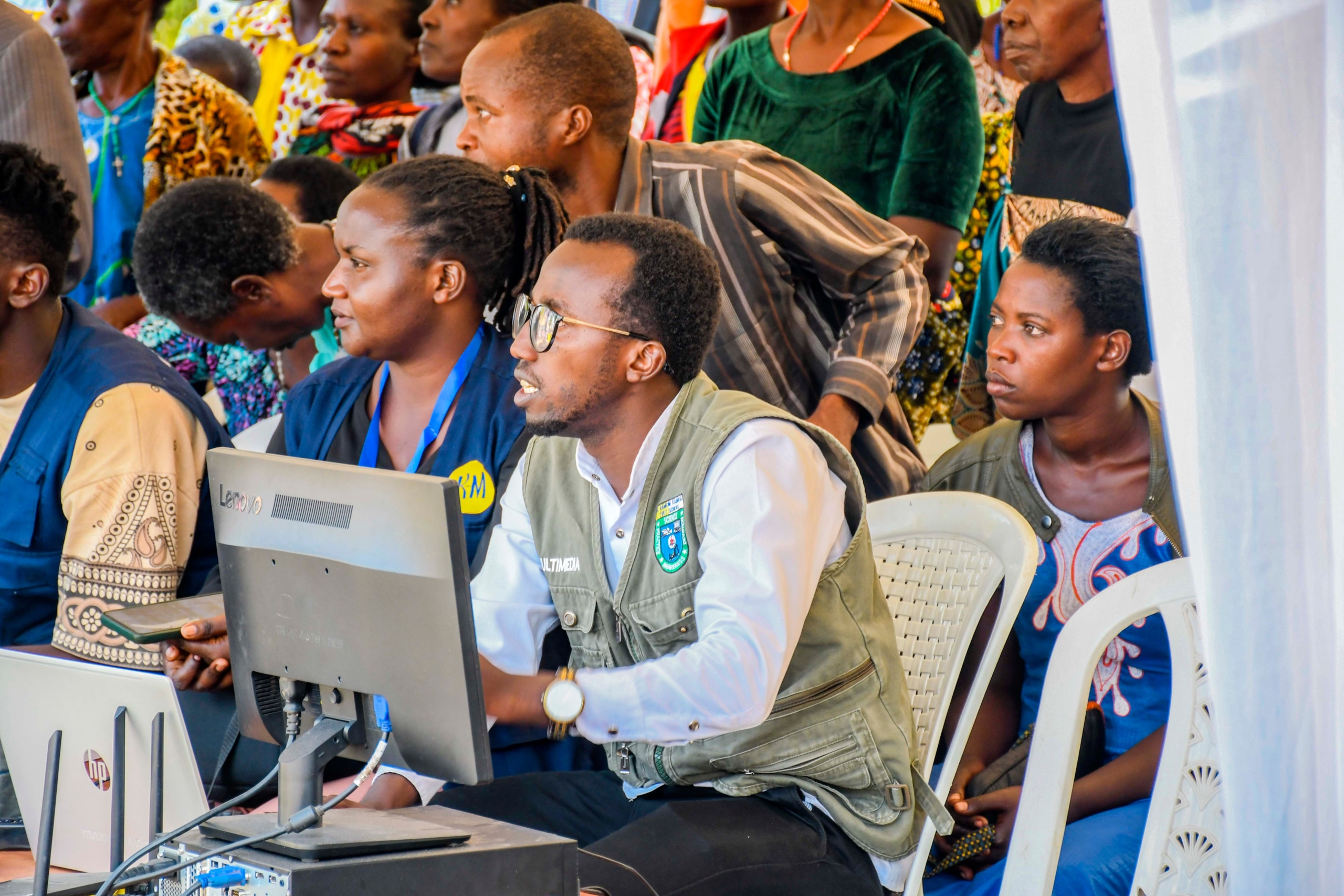
Rwanda, a landlocked East African country, has significantly increased its digital communication coverage in the last 10 years. The nation has recognized the value of information and communication technology (ICT) and invested millions in securing broadband network coverage nationwide.
Digital Communication in Rwanda: First Steps
The ubiquity of mobile money, known as “MoMo,” services has expanded opportunities for small businesses. As of 2020, 40% of administrative services have been digitalized, with a goal of achieving 100% coverage of public services by 2035. These changes are part of the nation’s objective to transition to a knowledge economy by 2050, complemented by the Rwanda Economy Digitalisation Programme.
The program is hosted by the South African research organization Cenfri in partnership with the Rwandan government and Mastercard Foundation. It collects and analyzes data to guide public and private policy decisions. The program’s webpage highlights economic benefits in sectors such as agriculture, tourism and education. Further access to digital communication benefits lower-income households through opportunities for skill development and global digital commerce.
Digital Communication in Rwanda: The Usage Gap
The integration of these plans presents challenges. In 2025, unique mobile internet subscribers made up only 21% of the population. This measures unique mobile internet subscribers, not household internet access or the ability to receive a signal. GSMA reports 4G coverage of approximately 96% of the population, showing a gap between coverage and use.
The GSMA, a mobile industry association and lobbying agency, identified two main issues: a lack of digital skills and education, especially in rural areas, and the increasing price of digital communication devices like smartphones. Unaffordable prices make internet services inaccessible for many Rwandans. Digital services operate in public administration and other sectors, but device costs, skills and relevant content prevent many from using mobile internet.
Outside Perspectives
The GSMA has established a set of “Policy Challenges” to identify issues in Rwanda’s mobile integration. It addresses challenges such as the adoption of value-added tax on network-capable devices and insufficient digital education limiting demand in rural areas. Additionally, it cites certain Quality of Service procedures as obstacles, claiming that a balance between quality of service and affordability is essential to increase mobile internet subscriptions.
Digital Communication in Rwanda: Potential Solutions
The GSMA proposes a series of policy reforms regarding mobile communication devices. The reforms would provide private-sector financing for smartphones and, upon analysis, potentially introduce tax reduction on devices. These changes would alleviate the effects of rising component costs, making smartphones more affordable.
Alongside this, it urges the government to balance Quality of Service with affordability and accessibility and to provide digital education and training to stimulate demand in rural communities. The GSMA’s analysis predicts the adoption of more than 1 million new unique mobile internet subscribers by 2031, a 22% increase from projections without these reforms, as well as more affordable and relevant network integration in everyday life.
Despite significant growth this century, gaps remain in Rwandan development. The large proportion of the population not using mobile internet indicates untapped potential for economic growth and poses an obstacle to the transition to a knowledge economy. The GSMA’s report effectively records the issue and provides a framework for resolving it, acknowledging the nation’s impressive progress while illustrating room for growth.
– Akiem Clarke
Akiem is based in Hamilton, Ontario, Canada and focuses on Technology and Solutions for The Borgen Project.
Photo: Pexels
