Yemeni Women’s Peacebuilding and Livelihoods: Local Action
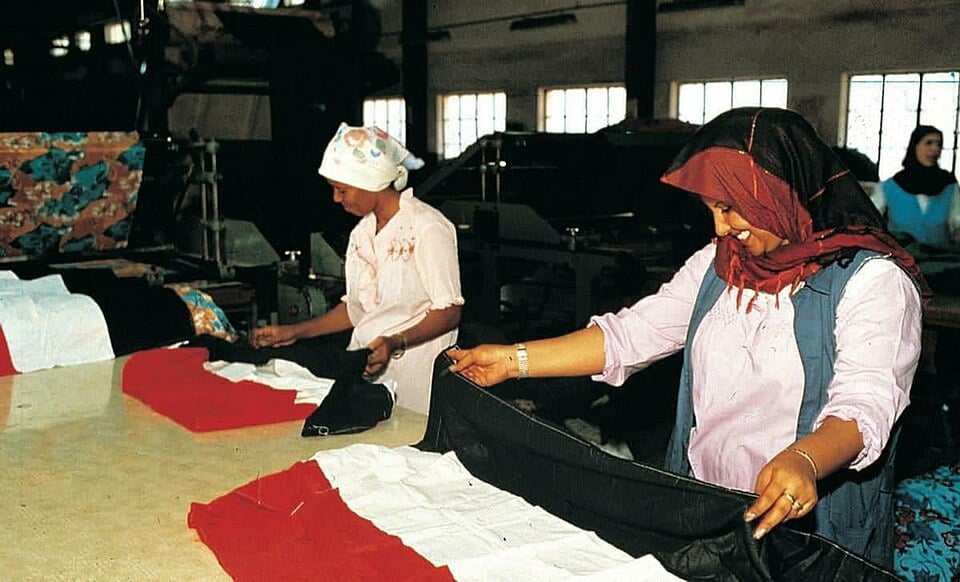
As Yemen continues to endure a brutal war, local women are leading peacebuilding and livelihoods efforts to stabilize communities and create sustainable livelihoods. With assistance from humanitarian groups and international funding, women and girls persevere and become architects of peace.
The Broader Conflict
The broader conflict in the region and years of domestic strife have compounded hardship across the nation. According to the United Nations, escalating hostilities along multiple front lines have displaced more than 130,000 individuals since the beginning of September 2026, as reported by UNHCR on Sept. 22, worsening conditions in communities already strained by years of war. The United Nations High Commissioner for Refugees warned that intensification across the country threatens to trigger additional internal displacement and refugee movements.
Relief Efforts and Challenges
Crucial relief supplies, including food, nutritional supplements and hygiene essentials, remain difficult to distribute at scale, leaving critical programs under-resourced. In response to heightened vulnerabilities, the UNHCR designated a Level 1 emergency to mobilize core resources, shelter support and cash assistance. Amid these severe systemic barriers, Yemeni women have worked tirelessly to safeguard their communities and rebuild local economies.
Women Leading Change
In Al Hudaydah, one of Yemen’s major cities impacted by the escalating conflict, women are spearheading grassroots organizations and initiatives targeted at rebuilding Yemen’s socioeconomics and political spheres. Among them is the Social Development Hodeidah Girls Foundation (SDHGF), one of 17 local civil society organizations supported across 12 targeted initiatives backed by the Women’s Peace and Humanitarian Fund (WPHF). WPHF mobilizes global financing to resource local women who respond to humanitarian crises, prevent local conflict and build sustainable peace.
Through its Yemeni women’s peacebuilding and livelihoods programming, SDHGF focuses on socio-economic recovery for women and girls who have experienced forcible displacement. Through strategic projects such as delivering vocational training, building digital literacy and awarding small seed grants to launch and sustain women-owned micro-enterprises, these interventions aim to provide financial stability to displaced households. With a focus on equipping women with technical skills to sustain their families over the long term, the Social Development Hodeidah Girls Foundation prides itself on taking on these projects and continues to contribute to many initiatives and businesses that uphold communities in Yemen. Its collaborative efforts with locals draw on the need to continue peacebuilding to move the country in a positive direction.
Advocacy and Support
The push for equitable access to funding and institutional recognition is part of a broader advocacy movement led by Yemeni women. Ahead of the February 2019 High-Level Pledging Event for the Humanitarian Crisis in Yemen in Geneva, Yemeni civil society representatives gathered at a forum co-organized by UN Women, CARE International and diplomatic partners. Speaking on the front lines of relief, leaders such as Dalia Qasem Farea Mohammed of the Hodeidah Girls Foundation and Muna Luqman of Food4Humanity called on international donors to eliminate barriers to direct funding for local women’s organizations. Emphasizing that local women serve as the primary first responders in hard-to-reach areas, the delegates highlighted how direct investment holds the promise to transform community relief and ensure lasting peacebuilding efforts.
Future Prospects
Support for Yemeni women’s peacebuilding and livelihoods in education, livelihood development and community welfare holds significant promise for Yemen’s future. By addressing urgent needs from the ground up, grassroots leaders continue to lay the groundwork for local resilience and coexistence. Expanding institutional support and funding to these frontline actors has the potential to make humanitarian response more effective, inclusive and enduring. To explore these community initiatives or support its ongoing mission, visit its website.
– Ashley Woody
Ashley is based in Atlanta GA, USA and focuses on Good News and Politics for The Borgen Project.
Photo: Wikimedia Commons
