A Facebook Message, a Helicopter and a Lifeline for Nepal’s Farmers
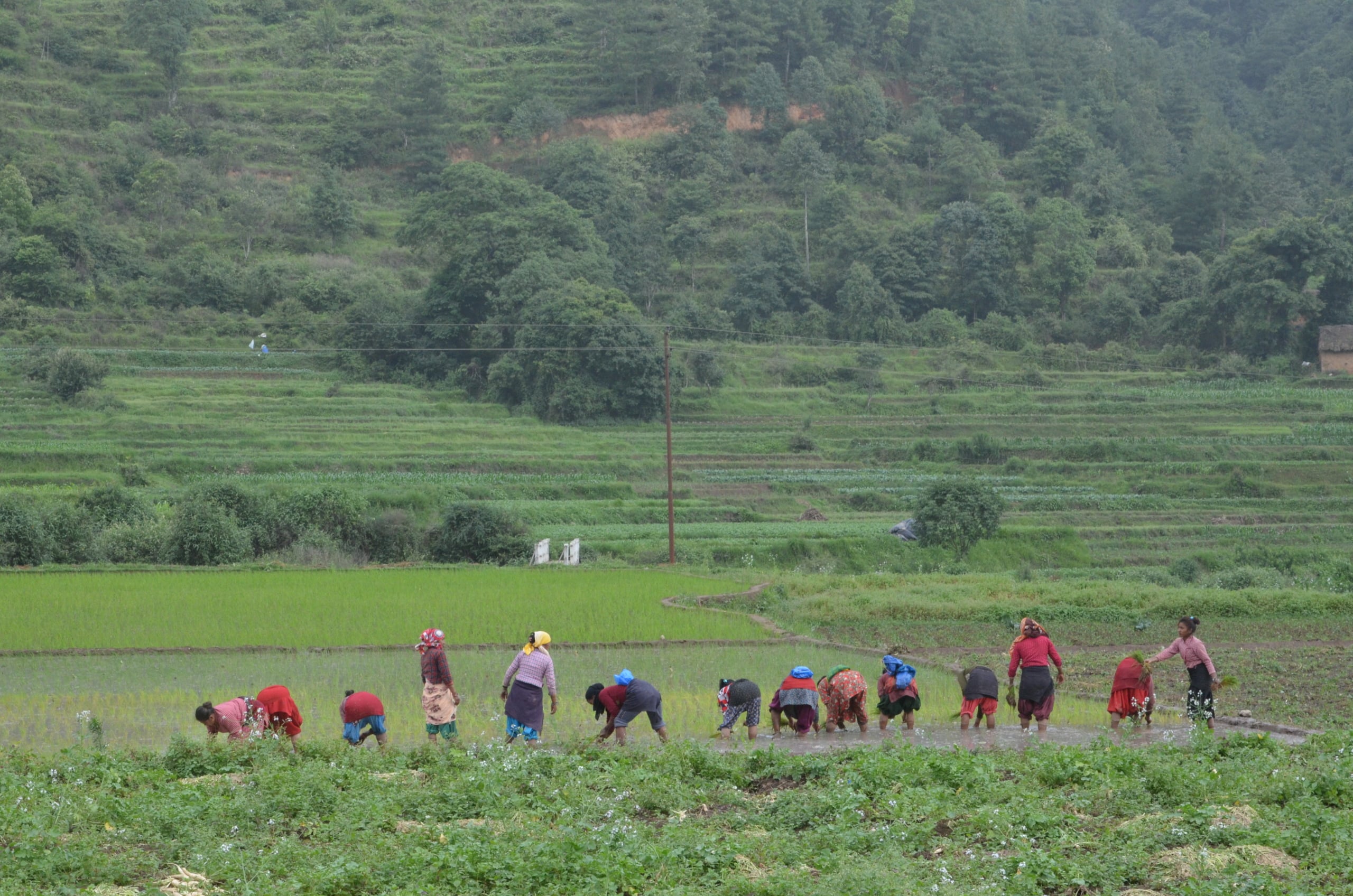
For farmers, a good harvest should mean a chance to earn a living. However, after floods hit Nepal’s Rasuwa district on Aug. 26, 2026, farmers in Aamachhodingmo faced an unexpected problem. Their cabbages and potatoes were ready to sell, but the road to the market had been swept away, taking away a lifeline for Nepal’s farmers.
Aamachhodingmo’s Struggle
Aamachhodingmo Rural Municipality sits in Rasuwa district, in Nepal’s Bagmati province. The Bhotekoshi flood caused widespread damage across the area. Although the village sits high above the river and escaped the flooding, the water destroyed the road that connected farmers to markets in lower-lying areas. Their crops survived, but they did not have any way of selling their crops. Now, their cabbages and potatoes sat in fields and storage areas while the days passed and the risk of spoilage grew. An estimated 80 million Nepalese rupees worth of vegetables, equivalent to approximately $525,000 at the Oct. 16, 2026, exchange rate, was at risk of going to waste.
A Message That Reached the Right People
The farmers had a harvest ready to sell, but without a road, they lacked reliable ways to get their produce to the market. Someone who had seen firsthand the difficulties that the local farmers were facing reached out to the United Nations in Nepal through their Facebook page. The person explained the farmers’ situation and asked if the organization could help. That message brought the problem to the attention of UN staff, who began looking for a practical way to get the vegetables to market. The answer came from an unexpected place.
Turning Empty Flights into an Opportunity
At the time of this incident, the World Food Program was already flying relief supplies to communities that were isolated after the floods. Helicopters carried essential supplies into northern Rasuwa, but many returned without cargo. The Resident Coordinator’s team saw a chance to use those return flights to carry vegetables back out. However, a practical problem was that Aamachhodingmo lacked a suitable helipad, so WFP helped prepare one and establish safety procedures. Humanitarian workers, local authorities and farmers’ cooperatives worked together to make the operation possible.
From the Fields to the Market
The effort began on Oct. 9, 2026, when WFP and its local partners started flying vegetables from Gre, in Aamachhodingmo, to Bidur in neighboring Nuwakot district. The first operation transported around 8,000 kilograms of cabbage and potatoes. That was a meaningful start for farmers. The operation offered a lifeline for Nepal’s farmers and showed how humanitarian aid can do more than deliver food and emergency supplies. By using flights that would otherwise return empty, the team created an opportunity to transport farmers’ produce despite the damaged road network.
A Lifeline, But Not a Lasting Solution Yet
The flights helped, but they did not solve the entire problem. According to UN Nepal’s report published on Oct. 16, 2026, as much as 700 tons of vegetables still awaited transport. The report described continuing obstacles to market access for farmers in Aamachhodingmo. The report identified the damaged Bailey bridge at Syaphrubesi as a major obstacle to transporting the remaining harvest and restoring regular road access.
A Small Message Making a Difference
A message on Facebook helped bring the farmers’ situation to people who could make a difference. By working together and using flights that would otherwise return empty, humanitarian teams and local partners helped move part of the harvest. This lifeline for Nepal’s farmers matters, but the real measure of recovery will be whether farmers can reach markets without depending on emergency flights.
– Elaaf Khush Bakht
Elaaf is based in Abbottabad, Khyber Pakhtunkhwa, Pakistan and focuses on Business and New Markets, and Good News for The Borgen Project.
Photo: Wikimedia Commons

