Cambodia’s National Health Data System Explained
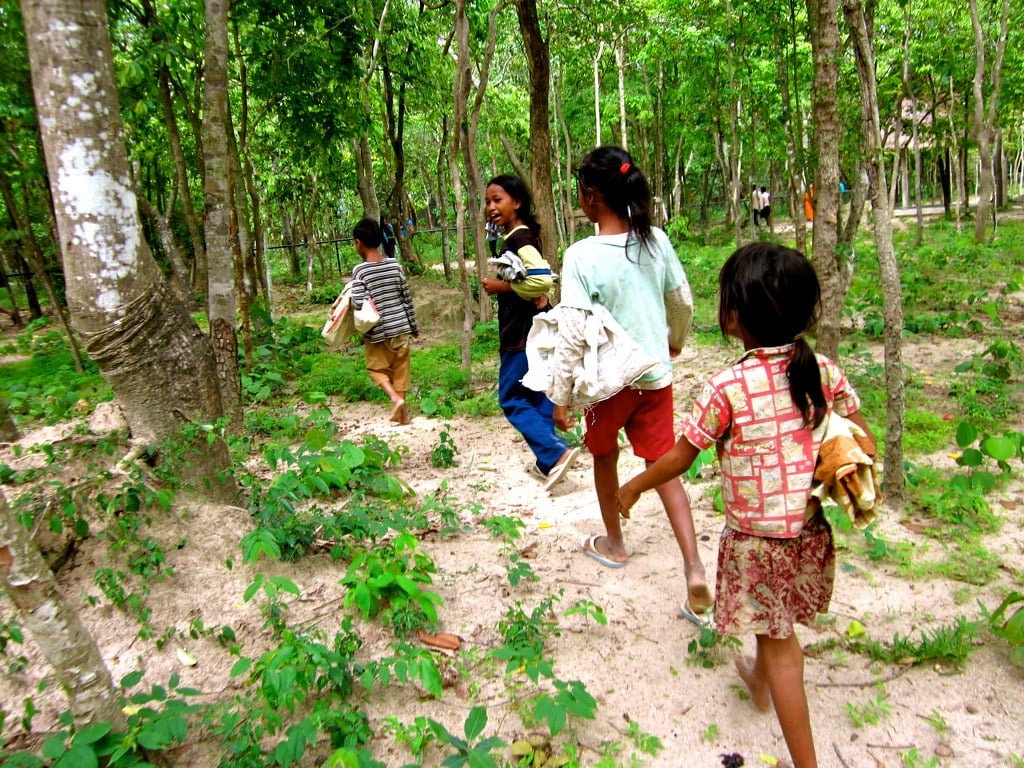
On May 15, 2026, Cambodia’s Ministry of Health launched a new electronic Health Management Information System (HMIS) intended for rollout across all 25 provinces, aiming to address gaps in health care data and coverage. The ministry developed this initiative in partnership with the World Health Organization, UNICEF, the Clinton Health Access Initiative and the Vaccine Alliance, representing a shift toward more consistent, data-driven health care services in Cambodia.
What is HMIS?
The Health Management Information System (HMIS) is Cambodia’s national framework for collecting and using health service data. DHIS2 is the software platform on which Cambodia’s national health data system HMIS is built. Based at the University of Oslo, it allows health workers to enter data remotely.
Built on DHIS2, the national system enables data reporting from health centers to decision-makers, increasing both continuity of care and the speed at which it can be administered. The system aims to unify reporting, increasing visibility and allowing health care providers to evaluate who needs care and identify unaccounted individuals.
What Problem is This System Working to Solve?
Cambodia faces struggles with health care coverage due to lack of infrastructure, high out-of-pocket costs, low public funding, understaffing and geographical challenges. According to the World Health Organization (WHO), the kingdom faces challenges primarily in maternal mortality with a ratio of 154 maternal deaths per 100,000 live births and child nutrition with 22% of children under five stunted from malnutrition.
Tuberculosis remains a priority for Cambodia, as the World Health Organization reports that the disease impacts around one in 183 people. Prevention and treatment rely on accessible health care and the distribution of vaccinations.
According to the Cambodia National Immunization Strategy Report, underused health facilities, irregular outreach initiatives and high rates of patient dropout between vaccination doses mean that Cambodia’s immunization system struggles to reach all citizens, particularly zero-dose children. Gavi reports that children remain under-immunized, underscoring the importance of more reliable service data.
HMIS covers routine immunization, primary care and disease surveillance. According to the World Health Organization, Cambodia’s national health data system now allows health care workers to enter and access service and disease data as it becomes available with dashboard monitors to track trends and performance.
What Impact is it Having?
While the implementation of the system is still in early development, it is expected to have positive impacts on Cambodia’s health care system. In September 2026, DHIS2 hosted technical training for Cambodia, including server management training in Ho Chi Minh City. According to its report, this initiative trained participants on installation, security, maintenance and system integration.
According to Cambodia’s National Immunization Strategy 2021-2025, Village Health Support Groups can be unstandardized and often have little or no formal budget, but the new DHIS2-based HMIS gives managers real-time data and dashboards to track service use and trends. This can allow for better targeting of outreach to underserved communities.
What Impact May Occur in the Future?
According to the World Health Organization and Gavi, Gavi is investing more than $2 million to build and adapt the system, train health workers and support nationwide rollout. This initiative marks the commitment of Cambodia’s government to focus on health care and collaboration. The investment aims to strengthen Cambodia’s national health data system, though outcomes will depend on implementation.
UNICEF’s partnership builds a national DHIS2 core team, ongoing training and user manuals so the ministry can manage and expand the system independently to increase long-term national ownership and sustainability. The strategy calls for quarterly tracking of missed children from commune to district to province, and for e-registries with SMS reminders to caregivers.
Cambodia’s health care challenges remain significant, however the launch of the HMIS system with the use of DHIS2 software represents an important update. Cambodia’s national health data system can offer a potential way to reduce unreliable immunization coverage figures and help health managers direct resources toward underserved communities.
– Anna Kubiak
Anna is based in Buffalo, New York/Erie County, United States and focuses on Technology and Solutions, and Global Health for The Borgen Project.
Photo: Flickr
