Child Soldiers in Liberia: Rebuilding Lives Through Reintegration
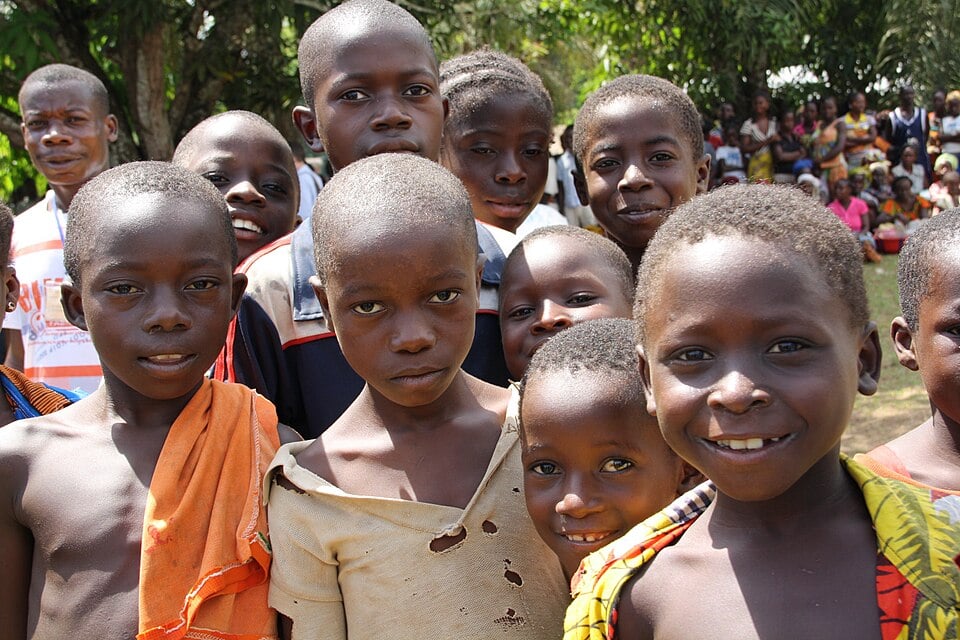
Liberia experienced two civil wars between 1989 and 2003. During the conflict, armed groups recruited thousands of children through abduction, social pressure and promises of protection. UNICEF explains that child soldiers in Liberia served roles such as armed fighters, messengers, laborers and cooks. Girls associated with the armed groups also faced sexual violence and exploitation. The UNICEF evaluation describes the large number of children associated with fighting forces during Liberia’s wars, while disarmament participation figures refer to a different population.
What Children Experienced During the War
Many child soldiers in Liberia came from communities struggling with poverty, damaged schools and limited employment opportunities. The UNICEF evaluation connects these conditions to child recruitment. Some children joined fighting forces to find food, protection, belonging or revenge, while others believed armed groups could protect them and their families. Poverty did not determine every child’s experience, but economic insecurity and the collapse of family and community support increased children’s vulnerability to recruitment.
UNICEF explains that children connected to armed groups may be forced to participate in harrowing training, undergo hazardous labor and risk facing death, disability or chronic injury. They may also witness torture, killing and other forms of violence.
At a time of crucial development in a child’s life, child soldiers in Liberia were training in combat and risking their lives. Even children who were not recruited to fight experienced psychological trauma by witnessing the death of relatives, friends or neighbors. Violence also caused families to leave their homes and relocate, interrupting their children’s access to education.
Once the war ended, child soldiers did not simply return to their communities unaffected. Many former child soldiers missed years of school and time spent with their families. Some community members even viewed them with fear or suspicion. A small interview-based study published in Social Development Issues examined the experiences of 34 adults who had served in Liberia’s fighting forces as children. The study does not represent every former child soldier in Liberia. Instead, it provides a limited account of the challenges some former child soldiers faced during reintegration. The researchers identified three major barriers: poor administration of reintegration programs, constrained opportunities for education and employment, and social marginalization. The study shows why former child soldiers may need long-term support after returning to civilian life.
Reintegration Helps Former Child Soldiers Rebuild Their Lives
In an effort to ease reintegration, Liberia created programs that help children leave armed groups and return to their communities. Disarmament removes weapons from children while demobilization formally separates children from armed groups. The UNICEF evaluation explains that Liberia began its disarmament and demobilization process in December 2003 after the United Nations established the United Nations Mission in Liberia in October 2003. The program aimed to help former child soldiers address trauma, reconnect with their families and develop skills for employment. The program offered three months of skills training and three years of formal education. The report also estimated that up to 4,000 children associated with fighting forces never entered the disarmament and demobilization process. These figures show why Liberia needed long-term programs to help former child soldiers return to their families, communities and civilian life.
How the Reintegration Program Worked
In a statement delivered at a United Nations workshop on June 6, 2018, Liberia’s Permanent Representative to the United Nations, Ambassador Lewis Garseedah Brown, described the country’s historical reintegration program for former child soldiers. He explained how UNICEF coordinated with the Liberian government, nongovernmental organizations, religious groups and private businesses to connect children to education and enroll them in vocational training. Another top priority was to provide assistance in psychological support and family reunification. These resources addressed trauma and developed the skills needed for employment and independent living.
Thousands of children participated in disarmament and demobilization initiatives, although these programs faced significant limitations. Brown explained that the process struggled with limited funding, short training periods and lack of long-term follow-up. The program also faced criticism for a short duration, only offering three months for skilled training and three years for formal education, regardless of what grade the child was entering from. These challenges show why postwar reintegration required continued support after children leave formal programs.
The Importance of Community Support
Community support remains an important part of the reintegration process. Family, schools and local organizations can help former child soldiers return to civilian life by providing educational opportunities to develop livelihoods. In a paper published by the World Bank in 2001, case studies from Angola and El Salvador provide lessons about preventing and demobilizing child soldiers. They note that successful reintegration programs require not only political support and adequate funding, but also a strong commitment from families and communities. Education and employment opportunities can reduce vulnerability to re-recruitment and support greater independence.
Liberia’s experience shows that reintegration requires more than just removing children from armed groups. Although reintegration programs cannot erase the harm and trauma caused by the war, they can offer opportunities that will help a child move forward in their future. By prioritizing education, teaching skills needed for future employment and community support, child soldiers in Liberia can build safer and more independent futures.
– Allyson Young
Allyson is based in San Diego, California and focuses on Business and New Markets, and Global Health for The Borgen Project.
Photo: Wikimedia Commons
