5 Charities Operating in Timor-Leste
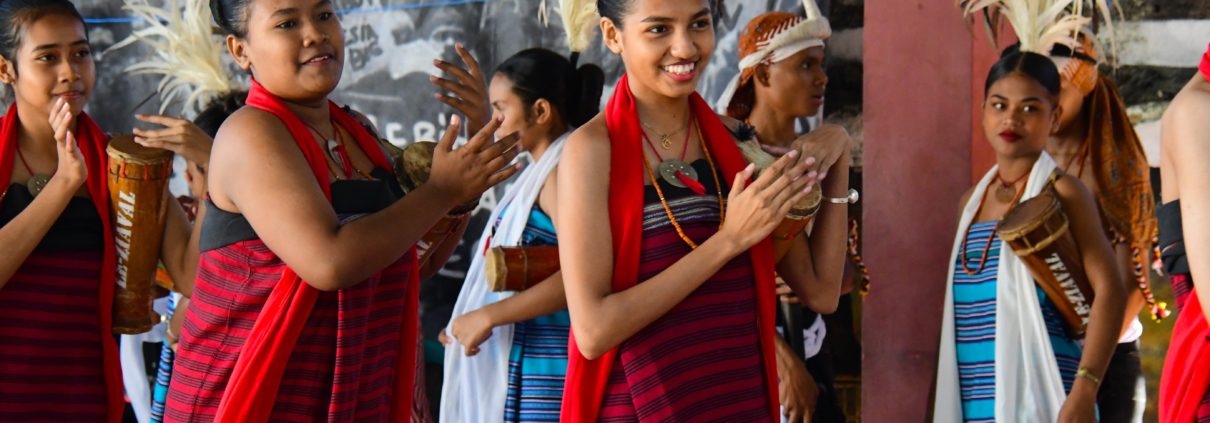 Timor-Leste, a small island north of Australia and east of Indonesia, is one of the lowest-income countries in the Asia-Pacific.
According to World Bank data, approximately 44% of the population lived on less than $3 per day in 2014. Food insecurity remains a key challenge for the people of Timor-Leste. A 2020 UNICEF report indicated that about 64% of households rely on agriculture for income, while 87% use poor cooking fuel and 25% lack access to safe drinking water.
Children younger than five are most severely impacted. A 2018 UNICEF report noted that one in two children younger than five suffers from stunting. Child undernutrition is the leading risk factor for death in this age group. Addressing multidimensional poverty requires local and international support. Here are five charities operating in Timor-Leste to combat poverty, build resilience and improve livelihoods.
Oxfam
The first of the five charities operating in Timor-Leste is Oxfam, an international nonprofit organization dedicated to fighting inequality, poverty and injustice. The organization believes lasting solutions require working with local organizations, allies and communities. In Timor-Leste, Oxfam Australia has been working alongside local organizations for more than 40 years to strengthen land rights, expand economic opportunity and build disaster preparedness.
Oxfam partners with the Australian government and local organizations to carry out the AHP Disaster READY program, helping Timorese communities strengthen local planning, emergency coordination and early-warning systems to prepare for extreme weather events like floods, cyclones and landslides. Additionally, its HAKFOUN II project empowers young voices in rural development by bringing together government, civil society and development partners in inclusive dialogue.
Plan International
Plan International is a global humanitarian organization that works to advance children’s rights and build a world where “equality for girls leads to progress for all.” The organization has been working in Timor-Leste since 2001 with young girls, boys and their communities to challenge discrimination and ensure every child grows up safe, healthy and educated.
The organization’s work focuses on keeping girls in school, nutritionally healthy and provided with access to clean water and hygiene facilities. Plan International also works with communities to protect girls from violence, support female leadership and strengthen climate resilience to protect children’s futures.
Empowering youth advocacy and leadership is central to its mission. In March 2025, Plan International Timor-Leste supported Lilerita, a youth delegate, as she represented her country at the UN Commission on the Status of Women in New York. There, she advocated for girls’ rights and grassroots change to international decision-makers.
CARE International
CARE International is a global nonprofit organization working to save lives and defeat global poverty. Its work prioritizes women and girls, driven by the belief that girls both face specific barriers and have unique potential to change lives.
CARE International has been working in Timor-Leste since 1994. Following Timorese independence in 2002, CARE expanded its focus beyond emergency aid to help communities overcome poverty, especially in rural areas. Today, the organization empowers women and girls by strengthening economic opportunities, improving access to education and health care, supporting girls in community leadership roles and building resilience against environmental and economic crises.
A key part of CARE’s current work is the HATUTAN program, which works to ensure children in rural schools are provided with nutritious meals. CARE also publishes its Lafaek magazines, distributed three times per year to pre- and primary schools, providing vital information about health, hygiene, nutrition and agriculture.
Blue Ventures
Blue Ventures is a marine conservation charity working in 11 countries across Africa and Asia to strengthen local marine management and restore ocean life. Since 2016, the organization has worked with Timorese communities to improve coral reef management and restore seagrass ecosystems. This work includes supporting the revival of traditional local governance practices called Tara Bandu, which utilize seasonal fishing closures and community-led monitoring of marine ecosystems to support conservation.
According to Blue Ventures, these efforts have helped nearshore fish stocks recover in project areas, contributing to improved nutrition, food security and income stability for local families. This stability motivates communities to continue protecting marine resources, establishing a self-sustaining cycle that supports the local economy and provides more nutritional food for generations to come.
RAEBIA
RAEBIA Timor-Leste is a local nonprofit organization founded in 1997 that uses conservation agriculture to support rural communities. Its name combines two words from the local Kemak language (rae, meaning land, and bia, meaning water) to represent the two elements needed to grow something.
While national figures indicate around 64% of all households rely on agriculture for food or income, RAEBIA estimates that in its rural project areas that figure is closer to 80%. The steep slope and poor soil quality of the land can make farming difficult. To address this, RAEBIA runs three key programs to support sustainable agriculture: community seed banking, seeds of survival and natural resource management.
Through these programs, RAEBIA works to strengthen community seed security, restore soil health and boost crop diversity, while empowering women and youth as “champion farmers.” The organization reports that these interventions help eliminate the seasonal hunger period for participating farming households and build climate-resilient, self-sustaining communities.
Looking Ahead
These five charities operating in Timor-Leste are some of the many global and local organizations that work alongside Timorese communities to combat poverty, gender inequality and educational barriers. By addressing root causes through community-led solutions, these programs are helping local families build long-term economic stability and improved livelihoods for the future.
– Ruby Straker
Ruby is based in Edinburgh, UK and focuses on Good News for The Borgen Project.
Photo: Pixabay
