How Social Protection in Oman Expands Economic Security
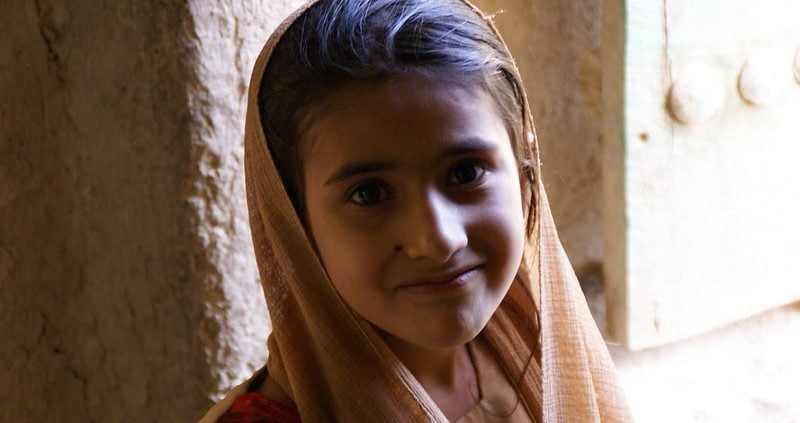 Over the past few years, Oman has restructured much of its social safety net to protect citizens from financial shocks throughout their lives. The government began a major review and reform of national social protection in 2020. These changes to Social Protection in Oman combine contributory insurance for workers with government-financed benefits and coverage for women, children and people with disabilities.
A Shift Toward Broader Social Protection
Oman’s Social Protection Law, created by Royal Decree 52 in 2023, restructured the country’s previous benefits system into a multilayered, integrated framework. According to a joint report by the Social Protection Fund and the International Labour Organization (ILO), the previous system had gaps in both coverage and spending, particularly for women, children and non-Omani residents. The Social Protection Law also consolidated 11 separate pension funds into a single system and expanded the role of the Social Protection Fund.
The new system represents a break from a structure largely centered on limited social assistance and price subsidies. The report describes the reform as rights-based and states that it aims to provide more direct and continuous income security. These new protections include benefits that do not depend solely on a person’s connection to formal employment.
Supporting Families and Vulnerable Groups
These reforms provide several types of government-financed support. Children are eligible for 10 Omani rials, about $26 per month, while children from low-income families who attend primary or secondary school can receive 20 rials per month. Omanis with qualifying permanent disabilities are eligible for 130 rials, about $340 per month. Older citizens may receive up to 115 rials, around $300 per month, depending on pension or salary.
The protection network also includes survivor benefits and means-tested family income support. The report states that households whose income falls below the predetermined threshold can receive support that raises their income to meet a set standard. These programs provide a last-resort safety net for families experiencing financial hardship. By January 2026, more than 42,000 families were receiving direct family income assistance, providing additional support to households with the fewest financial resources.
Expanding Protection for Workers in Oman
Oman continues to expand protection through employment-based insurance. The Social Protection Law provides unemployment insurance, injury coverage and maternity and paternity benefits. Some of these protections also extend to eligible non-Omani workers, although this coverage is not universal.
On July 19, 2026, the Social Protection Fund launched its Sick Leave and Extraordinary Leave Insurance Branch. Under this new framework, employers pay their workers full wages for the first 21 days, after which the compensation rate gradually decreases but remains available for up to 182 days. This protection also provides limited coverage for family and other emergencies, with some benefits available to foreign workers as well.
Expanding Social Protection Across Oman
The scale of Social Protection in Oman has expanded alongside these reforms. Oman Observer reported statistics from the Social Protection Fund showing that more than 1.54 million people received social protection benefits by the end of September 2025. This support reached about 1.25 million children, roughly 175,000 older people and close to 50,000 people with disabilities. Family income support programs also reached tens of thousands of families.
In June 2026, Oman and the ILO presented the social protection reforms at the International Labour Conference in Geneva, highlighting the expanded coverage and the system’s connection to Oman’s Vision 2040. The ILO has portrayed Oman’s reforms as some of the most comprehensive social protection changes in the Arab region in recent decades.
Toward Greater Economic Security
Social Protection in Oman continues to develop. Oman plans to implement additional protections for foreign workers, including permanent injury coverage. However, these reforms already connect millions of people with programs that reduce the burden of unemployment, disability, illness and low income. By bringing together worker insurance with direct benefits for vulnerable and low-income families, Oman is building a wider safety net that helps families maintain economic security.
– Elias Haskins
Elias is based in Claremont, CA, USA and focuses on Politics for The Borgen Project.
Photo: Flickr
