Addressing the Gender Wage Gap in Lesotho
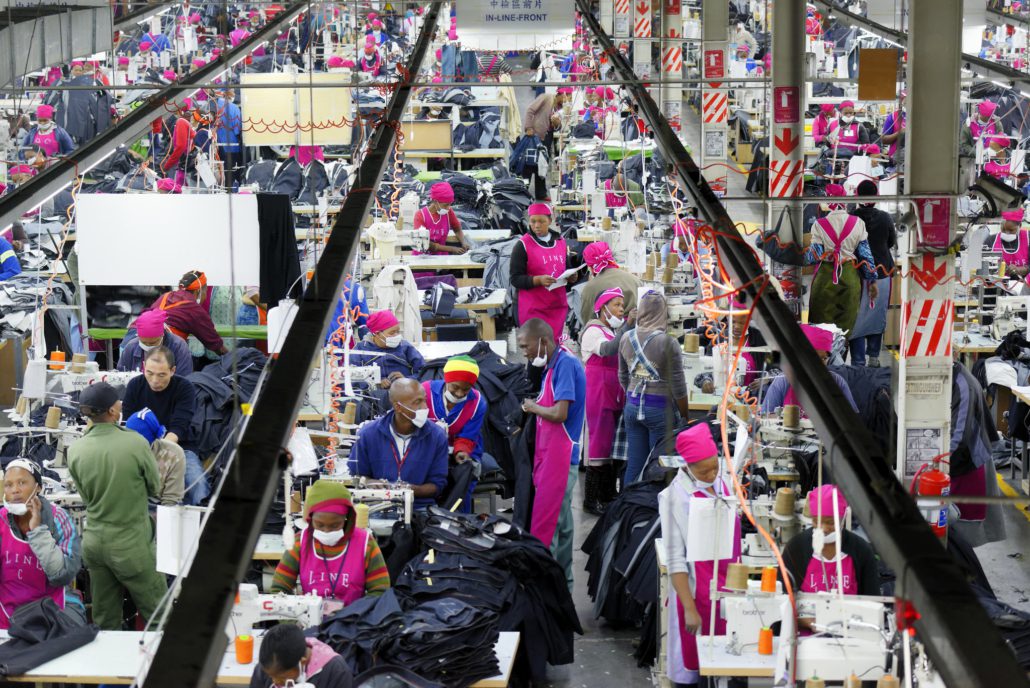 In Southern Africa, Lesotho has a population of 2.3 million people. In Lesotho, women make up a majority of the garment industry, making them key to the economy. However, they face unequal access to workplace opportunities and receive lower, unequal wages, despite Lesotho’s constitution declaring equal pay. These significant differences in what women receive compared to men create a gender wage gap in Lesotho.
Statistics
Researchers struggle to determine the gender wage gap in Lesotho because they lack access to national data on pay differences between men and women. Even with collected data, large gaps remain between what organizations publish and what they don’t. According to UN Women, 33.6% of the national indicators that researchers need to determine the gender pay gap were available, highlighting gaps in what organizations release. These included women’s access to assets; relations to poverty, gender and environment; and workplace harassment.
The garment industry accounts for much of the gender wage gap in Lesotho, where factories employ more women than men. The Guardian reports that, “According to the trade ministry, there are about 36,000 textile workers [in Lesotho] – mostly women.” Although women make up the overwhelming majority of workers, employers deny them equal pay. Additionally, many young women aged 15+ do unpaid domestic work, which makes up 15.6% of their time, compared to men, who receive 6.2% of their domestic work unpaid.
Community Impact
Since women make up the majority of the garment industry, they are more likely to work in harsher conditions. Men are more likely to enter professions with higher salaries, such as mining. In contrast, women are more likely to work in the textile industry, which pays significantly lower wages, contributing to the gender wage gap in Lesotho.
As a result, women may struggle to earn a livable wage to support themselves and their families. As a result, many families can no longer afford daily necessities. This has sparked many social movements, as women have begun protesting for equal pay and equal opportunities.
Solutions
Lesotho is currently addressing the wage gap through numerous measures. For instance, Lesotho has begun implementing the Labor Act of 2024, which provides stronger equal-pay rights. It states that employers must pay men and women equally for the same work and that employers cannot discriminate based on a person’s gender. The country also has a Department of Gender, which works to promote equal opportunities for all genders by raising awareness and supporting initiatives to stop discrimination.
The Lesotho Agreement is also an outcome of the government’s work, creating a system to acknowledge and address industry complaints through investigation. It pushed the industry to accept the agreement, allowing workers to submit complaints about discrimination or unfair treatment from supervisors and benefiting more than 10,000 workers. Progress reports show that evaluators have recommended that supervisors take classes on fair treatment of workers, and operatives have substantially increased their investigations, helping many in Lesotho.
Looking Ahead
The gender wage gap in Lesotho is a large issue; however, promoters and lawmakers are taking steps to eliminate the unfair treatment and unequal access to wages and opportunities for women. Legal protections, along with better data collection like the WRS Network, improve access to opportunities to fight for better pay and open doors to equal opportunity. Therefore, Lesotho will be closer to closing the wage gap if it continues to follow these legal and social movements.
– Zaynab Faruqi
Zaynab is based in West Windsor, NJ, USA and focuses on Global Health for The Borgen Project.
Photo: Flickr
